Australian Designer Katie Perry Wins Trademark Appeal vs Katy Perry
Katie Perry’s Trademark Victory: A Landmark Decision in Australia
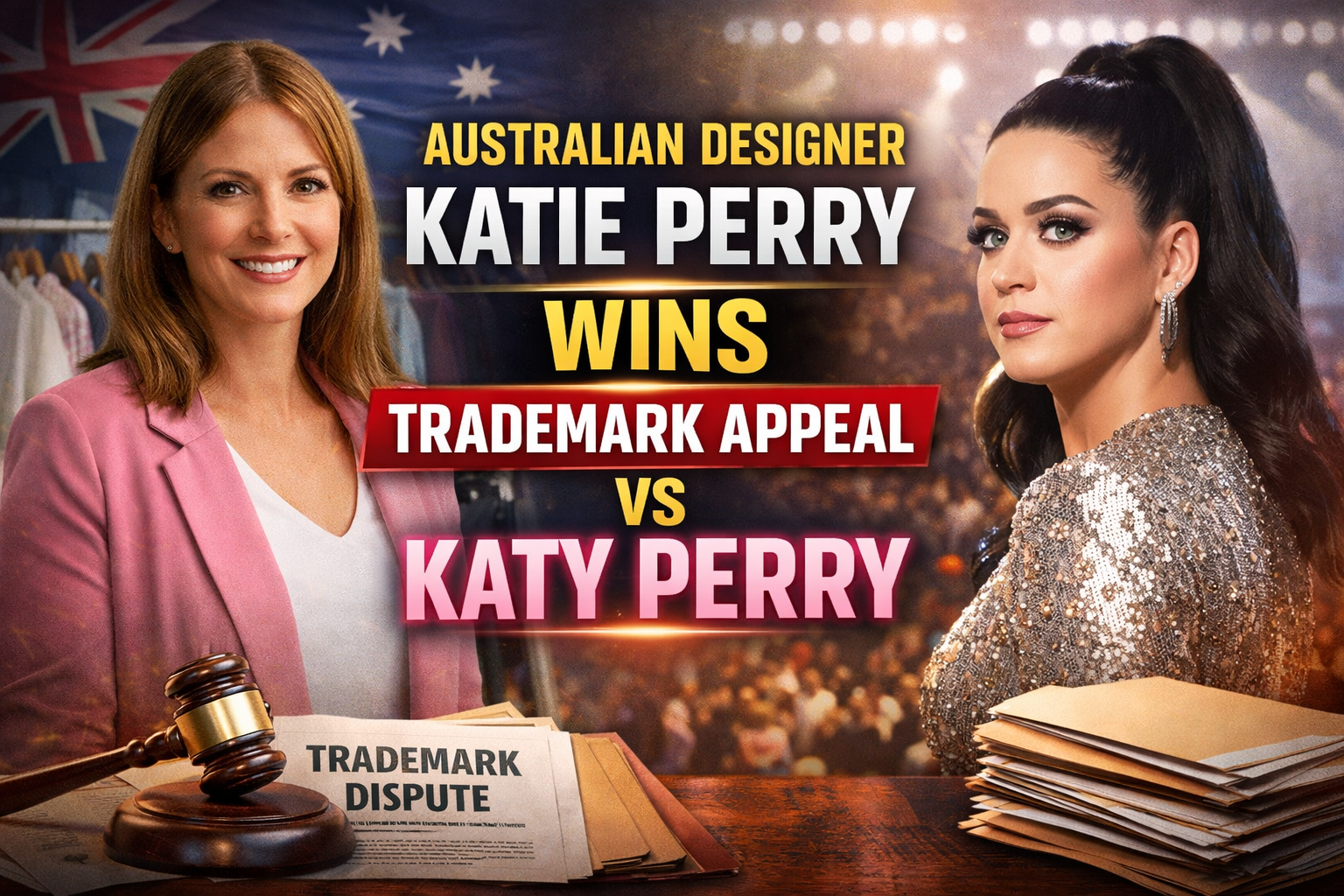
In a significant legal battle that has captured public attention, Australian fashion designer Katie Perry has emerged victorious in her trademark appeal against internationally renowned pop singer Katy Perry. The High Court of Australia ruled in favor of the designer, affirming her right to use the name “Katie Perry” for her clothing brand without causing confusion with the American singer’s merchandise. This ruling marks a pivotal moment in trademark law, especially for small businesses striving to protect their brand identity against global celebrities.
The dispute, which has spanned several years, revolves around the use of the name “Katie Perry” in the Australian fashion market. The designer, who began her business under her birth name in 2007, faced legal challenges from the pop star’s team, who argued that the use of the name could mislead consumers. However, the High Court judges concluded that the reputation of Katy Perry, the singer, was so well-established in Australia that consumers would not confuse the two brands.
The Background of the Trademark Dispute

Katie Perry, the Australian designer, registered her business name and trademark in 2007, launching her fashion label that sold clothes through local markets, a website, and social media platforms. At the time, she was unaware of the American pop star Katy Perry, who rose to fame shortly afterward. The designer’s brand steadily grew, and she operated under her maiden name, Katie Perry, until she changed her surname to Taylor in 2015.
The conflict began when Katy Perry’s legal team requested that the designer cease using the name “Katie Perry,” citing potential trademark infringement. The pop star’s representatives also opposed the designer’s trademark application, although they later dropped the initial legal action. The dispute reignited when Katy Perry sold merchandise during her 2014 Australian tour, which led to a 2023 court ruling initially favoring the designer for trademark infringement.
However, this decision was overturned on appeal in 2024, with judges stating that Katy Perry had been using her name as a trademark prior to the designer’s business launch. The reversal was a significant setback for the designer, who described the legal battle as a “David and Goliath” fight.
High Court’s Final Ruling and Its Implications
The High Court’s recent majority decision has reinstated the designer’s trademark, emphasizing that the average Australian consumer would not confuse the fashion brand with the pop star’s merchandise. The judges highlighted the “heightened strength of the reputation of Katy Perry,” concluding that the two brands operate in distinct markets and contexts.
Katie Perry (now Taylor) expressed relief and vindication following the ruling, stating, “This case has never just been about a name. It has been about protecting small business in Australia, for standing up for what is right and showing that we all matter.” This statement underscores the broader significance of the case, which extends beyond individual interests to the protection of small and medium enterprises against larger corporate entities.
The pop star’s representatives clarified that Katy Perry never intended to shut down the designer’s business or prevent her from using her name. Nonetheless, some aspects of the dispute have been referred back to the full federal court for further consideration.
What This Means for Trademark Law and Small Businesses

The outcome of this trademark dispute sets a precedent for how courts may handle similar cases involving personal names and brand identities, especially when one party is a high-profile celebrity. It highlights the importance of considering the context in which a name is used and the likelihood of consumer confusion.
For small businesses, the ruling is a reassuring affirmation that trademark laws can protect their interests even when challenged by globally recognized figures. It emphasizes the need for entrepreneurs to register their trademarks early and maintain clear brand identities to avoid conflicts.
Moreover, the case illustrates the complexities of trademark law in the digital age, where brands and individuals often coexist in overlapping markets. The decision encourages a balanced approach that respects both established reputations and the rights of smaller entities.
Looking Ahead: The Future of the Katie Perry Brand

With the High Court’s decision, Katie Perry’s fashion label can continue to operate under her name, preserving the brand she has built over more than a decade. The ruling not only secures her business’s future but also empowers other Australian designers and entrepreneurs to defend their trademarks confidently.
As the legal proceedings continue in some aspects, the case remains a landmark example of how trademark disputes can unfold in the entertainment and fashion industries. It also serves as a reminder for businesses to be vigilant about their intellectual property rights and to seek legal counsel when necessary.
Conclusion
The High Court’s ruling in favor of Australian designer Katie Perry against pop superstar Katy Perry is a landmark victory for trademark protection and small business rights in Australia. This case highlights the importance of safeguarding brand identity and clarifies the legal boundaries around the use of personal names in commerce. If you are a business owner or entrepreneur, this decision underscores the value of registering your trademarks early and standing firm in protecting your brand. Stay informed about your intellectual property rights and consult with legal experts to ensure your business remains secure. Don’t let your brand identity be compromised—take action today to protect what you’ve built!
