Rhabdomyosarcoma, the rare cancer that killed ‘Blue Bloods’ actor, explained
Understanding Rhabdomyosarcoma: The Rare Cancer Behind Alex Duong’s Tragic Death
Rhabdomyosarcoma is a rare form of cancer that originates in the soft tissues of the body, specifically targeting skeletal muscles. This aggressive malignancy recently gained public attention following the heartbreaking passing of Alex Duong, a beloved actor from the television series “Blue Bloods.” Duong’s battle with alveolar rhabdomyosarcoma, a particularly aggressive subtype of this cancer, highlights the challenges patients face when diagnosed with this rare disease.
According to the Cleveland Clinic, rhabdomyosarcoma develops from cells that would normally form skeletal muscles, but instead, these cells grow uncontrollably, forming tumors. While it is more commonly diagnosed in children, adults are not immune to this disease. The alveolar subtype, which claimed Duong’s life, is known for its rapid progression and poor prognosis, especially in adult patients.
Symptoms and Early Warning Signs of Rhabdomyosarcoma

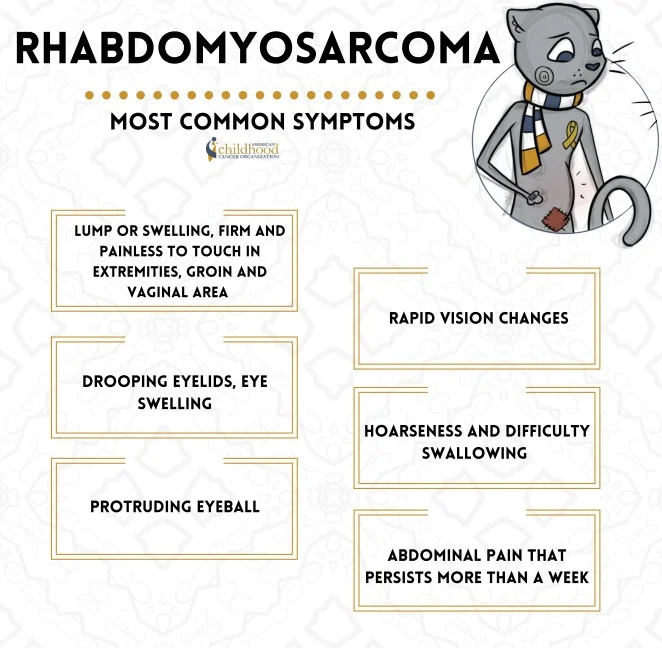
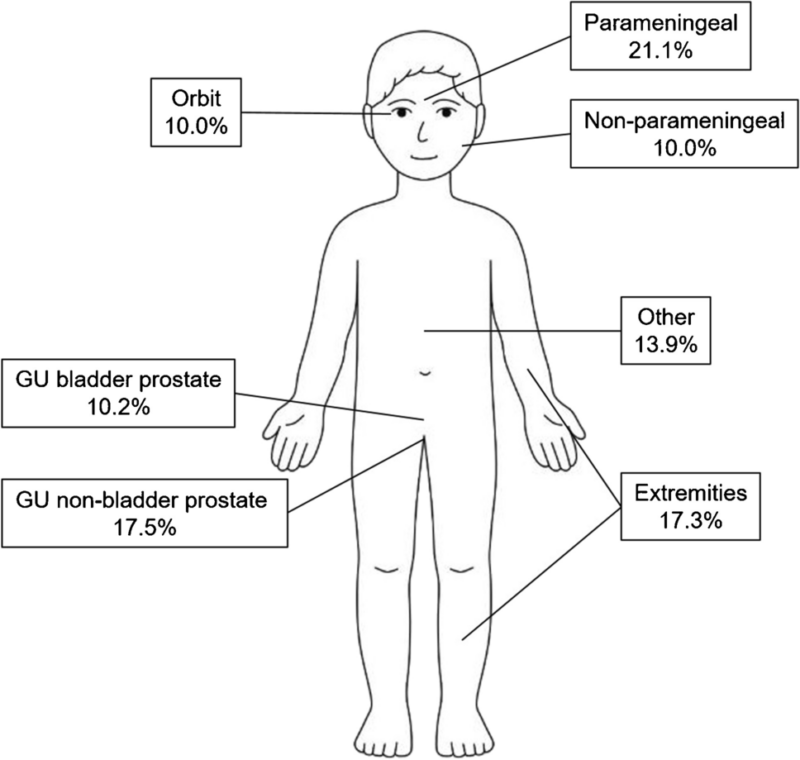
The symptoms of rhabdomyosarcoma vary widely depending on the tumor’s location in the body. Because this cancer can develop in any soft tissue, the signs can be subtle or mistaken for other less serious conditions. For example, a tumor located near the ear might cause persistent earaches or discharge, while one behind the eye can lead to noticeable swelling or bulging.
In Alex Duong’s case, his initial symptom was a severe headache, followed by the visible bulging of his left eye. Unfortunately, these symptoms often appear only after the tumor has grown significantly, complicating early diagnosis.
Other common symptoms reported by patients include:
– A noticeable lump or swelling in the neck, arms, or legs
– Changes in vision or eye appearance
– Unexplained vaginal bleeding or blood in the urine when tumors are near reproductive organs or the bladder
– Abdominal pain or swelling
– Persistent sinus congestion or headaches
Because these symptoms can mimic other conditions, it is crucial to seek medical evaluation if they persist or worsen over time.
What Causes Rhabdomyosarcoma? Exploring Risk Factors and Unknowns

The exact cause of rhabdomyosarcoma remains unclear due to its rarity, with only a few hundred new cases diagnosed annually in the United States. Research suggests that certain genetic mutations may play a role in the development of this cancer. Additionally, individuals with inherited disorders such as Li-Fraumeni syndrome or neurofibromatosis type 1 may have an elevated risk.
Despite these findings, most people diagnosed with rhabdomyosarcoma do not have identifiable risk factors. This unpredictability makes prevention difficult and underscores the importance of awareness and early detection.
Treatment Options and Prognosis for Rhabdomyosarcoma Patients
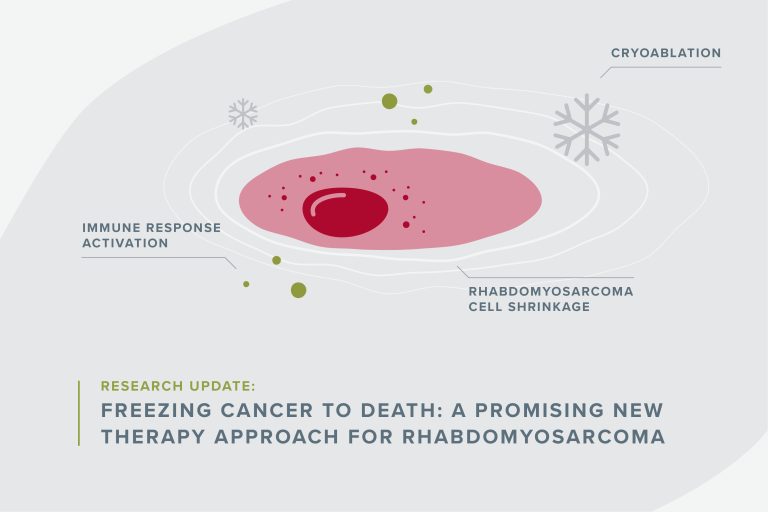
Treatment for rhabdomyosarcoma typically involves a combination of local therapies—such as surgery and radiation—and systemic chemotherapy. The goal is to remove or shrink the tumor and eliminate cancer cells that may have spread to other parts of the body.
Alex Duong underwent extensive radiation and chemotherapy treatments. Unfortunately, his cancer metastasized to his spine, leading to a rapid decline in his health. While some patients, especially children, can achieve remission or cure with aggressive treatment, adults generally face a more challenging prognosis.
The American Cancer Society emphasizes that early diagnosis and comprehensive treatment improve outcomes. However, alveolar rhabdomyosarcoma is known for its high rate of local recurrence and metastasis, which complicates long-term survival.
The Importance of Awareness and Research
Rhabdomyosarcoma’s rarity means that many people are unfamiliar with the disease, which can delay diagnosis and treatment. Increased awareness among healthcare providers and the public is essential to identify symptoms early and initiate prompt care.
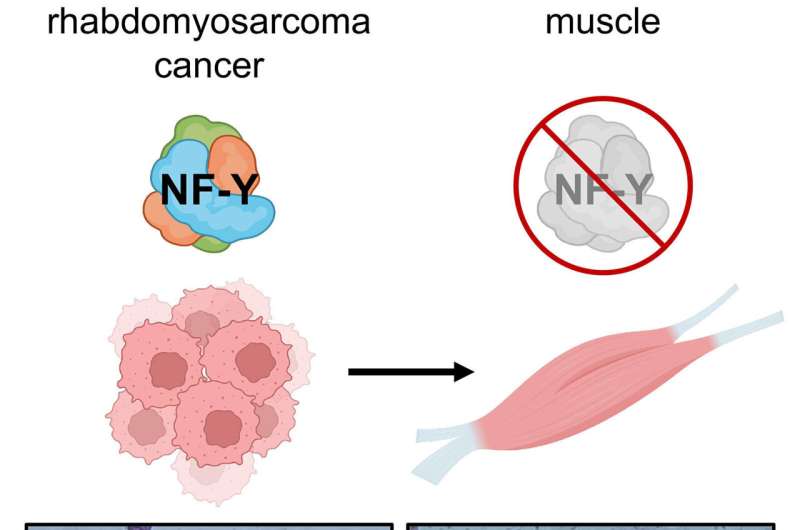
Ongoing research aims to better understand the genetic and molecular mechanisms behind rhabdomyosarcoma, paving the way for more targeted therapies and improved survival rates. Supporting cancer research organizations and advocating for funding can help accelerate these advancements.
Conclusion
Rhabdomyosarcoma is a rare but aggressive cancer that demands greater awareness due to its rapid progression and challenging prognosis, as tragically illustrated by the death of “Blue Bloods” actor Alex Duong. Recognizing symptoms early and seeking medical advice can make a significant difference in treatment outcomes. If you or a loved one experiences unusual lumps, persistent pain, or unexplained symptoms, consult a healthcare professional promptly. Stay informed, support cancer research, and help spread awareness about rhabdomyosarcoma to save lives.
