Tiger Woods Found with Two Hydrocodone Pills Stashed in Pocket During Florida DUI Arrest
Golf legend Tiger Woods has once again found himself in the spotlight, this time for a troubling incident involving a DUI arrest in Florida. Authorities discovered two hydrocodone pills in Woods’ pocket following a car crash that led to his arrest. This revelation has raised questions about the circumstances surrounding the crash and the role prescription medication may have played. In this article, we delve into the details of the arrest, the significance of the hydrocodone pills found, and what this means for Woods’ future both on and off the golf course.
Details of Tiger Woods’ Florida DUI Arrest and Medication Discovery
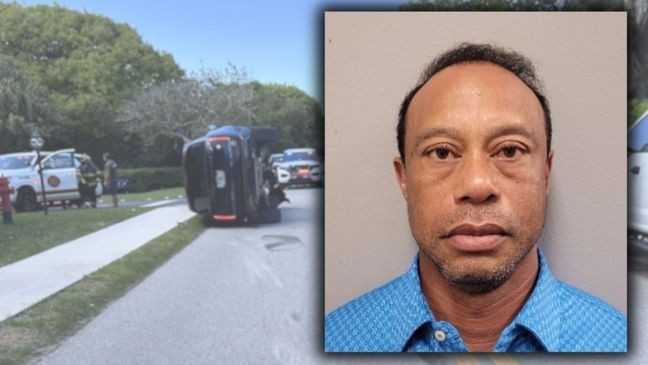
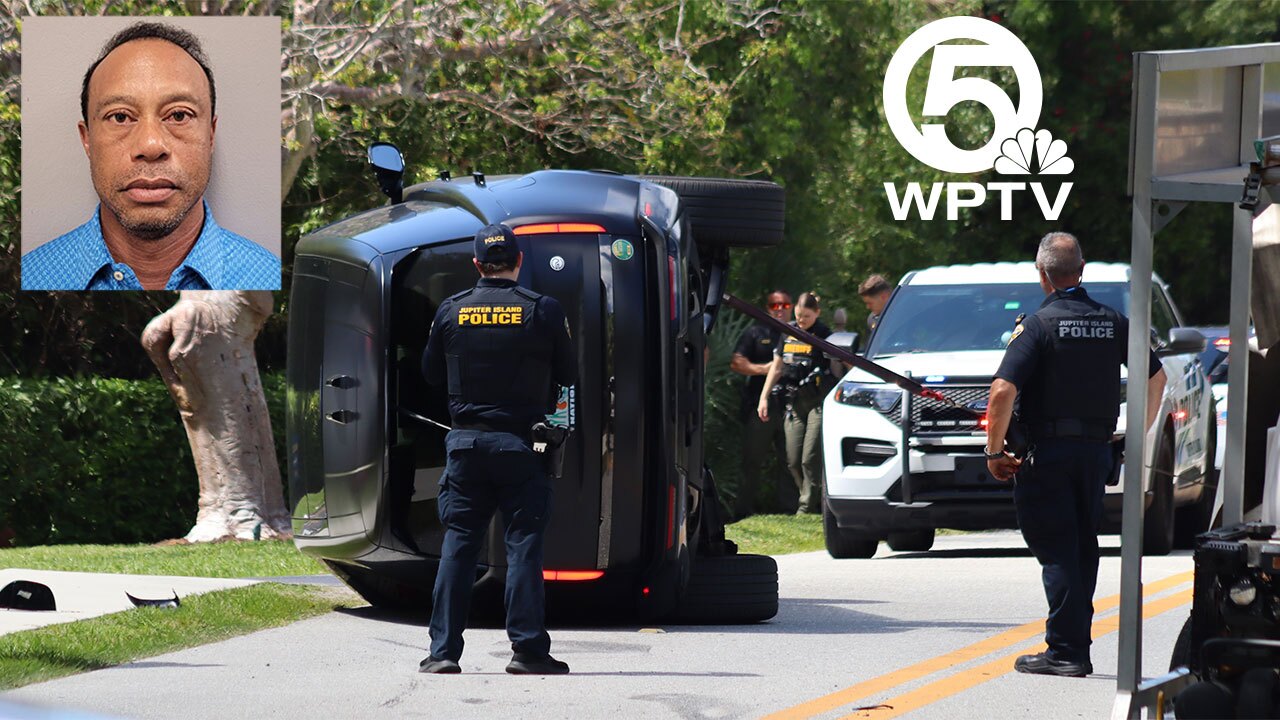
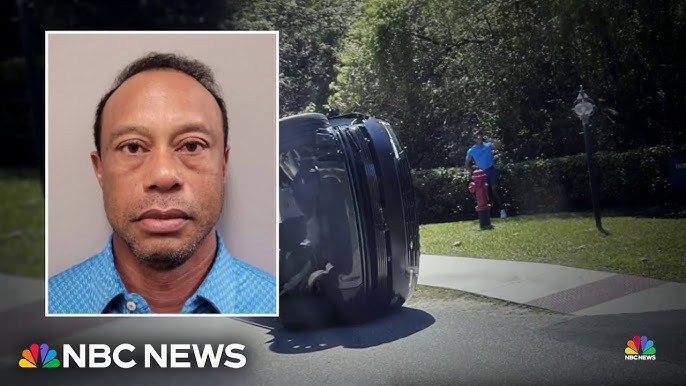
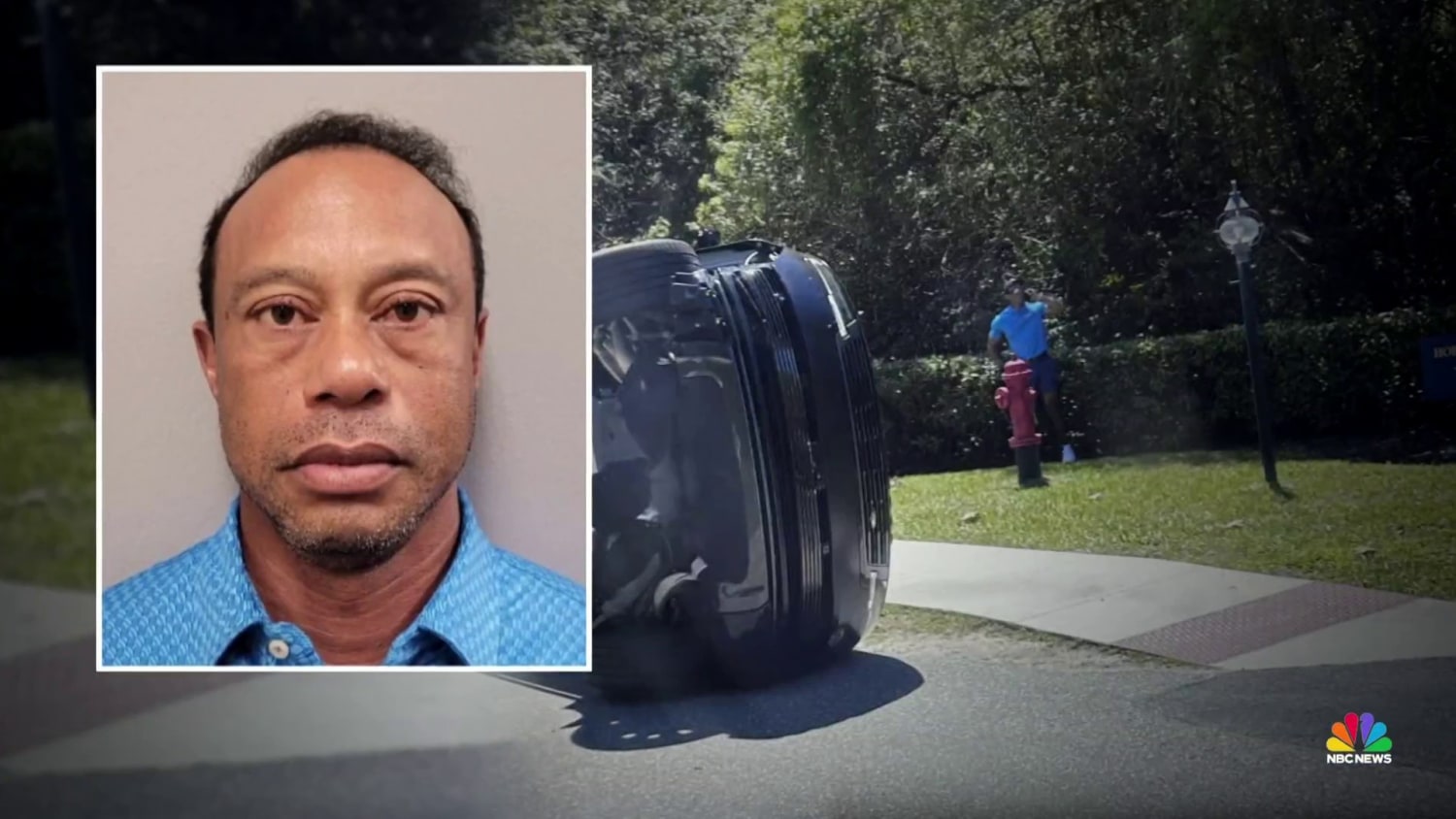
On a recent Friday in Jupiter Island, Florida, Tiger Woods was involved in a single-vehicle crash that resulted in his luxury Land Rover flipping over. Emergency responders found Woods crawling out of the overturned vehicle, and during the arrest process, officers discovered two pills marked “M367” in his left pant pocket. These pills were later identified as hydrocodone, a potent opioid commonly prescribed for managing chronic pain.
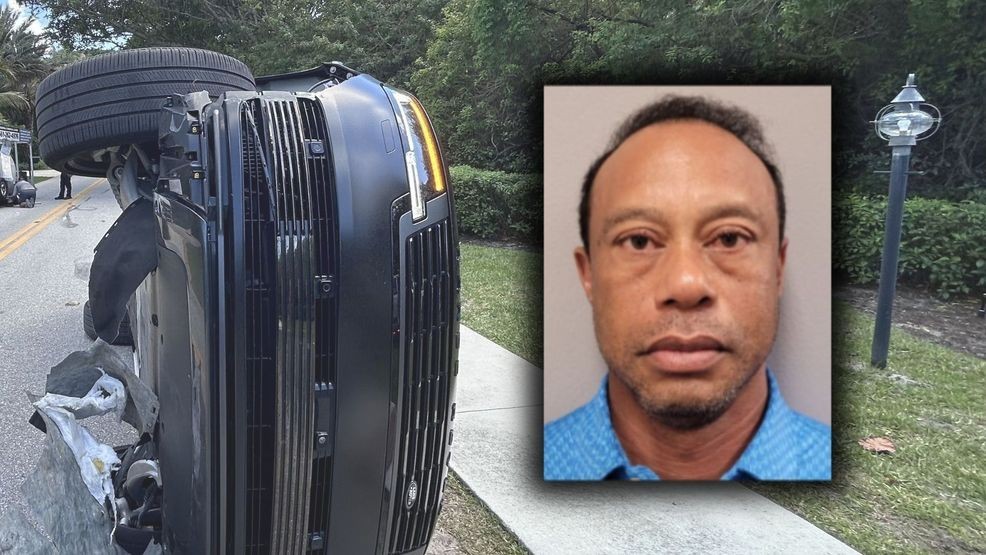
According to the arrest report, Woods admitted to taking “a few” prescription medications earlier that morning. Investigators noted that Woods appeared under the influence of some type of medication or drug at the time of the crash, which involved clipping another vehicle before overturning his SUV. Notably, no drugs or medications were found in the wreckage itself, but Woods’ physical condition raised concerns. Witnesses and officers described him as sweating profusely, with bloodshot and glassy eyes, and pupils that were extremely dilated. His movements were slow and lethargic, further suggesting impairment.
What Is Hydrocodone and Why Is It Significant in This Case?
Hydrocodone is an opioid pain medication prescribed to manage moderate to severe pain. It works by altering the brain’s perception of pain but also carries risks of drowsiness, impaired coordination, and slowed reaction times. These side effects can severely impact a person’s ability to operate a vehicle safely.
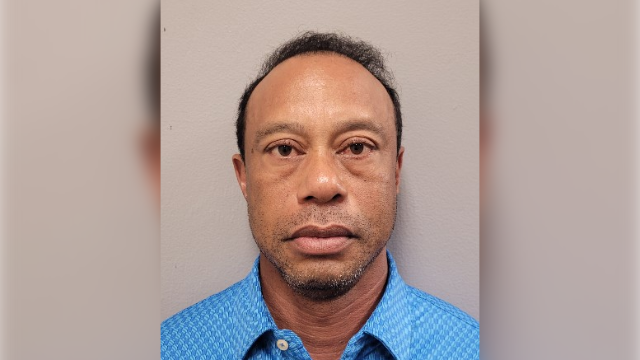
In Woods’ case, the presence of hydrocodone pills in his pocket during the DUI arrest raises critical questions about whether the medication contributed to his impaired driving. Although Woods denied using illicit substances and passed a breathalyzer test showing zero alcohol, he refused a urinalysis test at the scene, which could have provided more clarity on his drug use at the time.
Given Woods’ extensive medical history, including multiple surgeries on his back and leg, it is plausible that he was prescribed hydrocodone for pain management. However, driving under the influence of such medication remains illegal and dangerous, especially when it results in a crash causing property damage.
The Impact of the DUI Arrest on Tiger Woods’ Career and Public Image
This recent DUI arrest marks the fourth time Tiger Woods has been involved in a car accident linked to impaired driving or medical issues. His past incidents include a 2017 DUI arrest where he was found asleep behind the wheel and a 2021 crash that caused severe leg injuries. These repeated events have cast a shadow over Woods’ otherwise stellar career and have raised concerns about his health and well-being.
Following the arrest, Woods announced he would be stepping away from professional golf to seek treatment. Fans, fellow athletes, and commentators have expressed support for Woods, emphasizing the importance of genuine rehabilitation rather than a public relations move. The PGA Tour has also taken a stance, highlighting the need for accountability and health prioritization.
Woods’ legal team faces a challenging road ahead, as the charges include driving under the influence with property damage and refusal to submit to lawful testing. The outcome of this case could have significant implications for his ability to compete in upcoming tournaments, including the prestigious Masters.
Conclusion
Tiger Woods’ recent DUI arrest in Florida, with two hydrocodone pills found in his pocket, underscores the complex challenges he faces balancing health, legal issues, and a demanding career. The incident highlights the dangers of driving under the influence of prescription medication and the importance of seeking proper treatment. As Woods steps back to focus on recovery, fans and the golfing community await his return with hope and concern.
If you or someone you know is struggling with prescription medication use or substance abuse, don’t hesitate to seek professional help. Early intervention can make all the difference.
