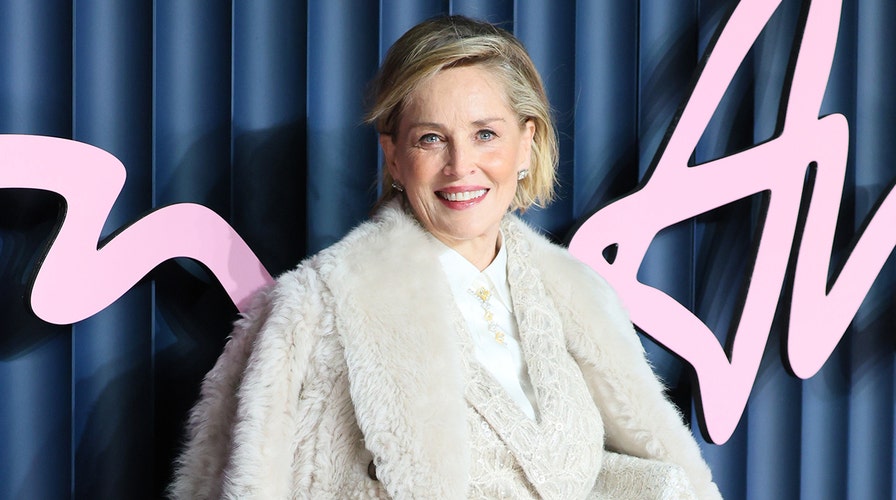
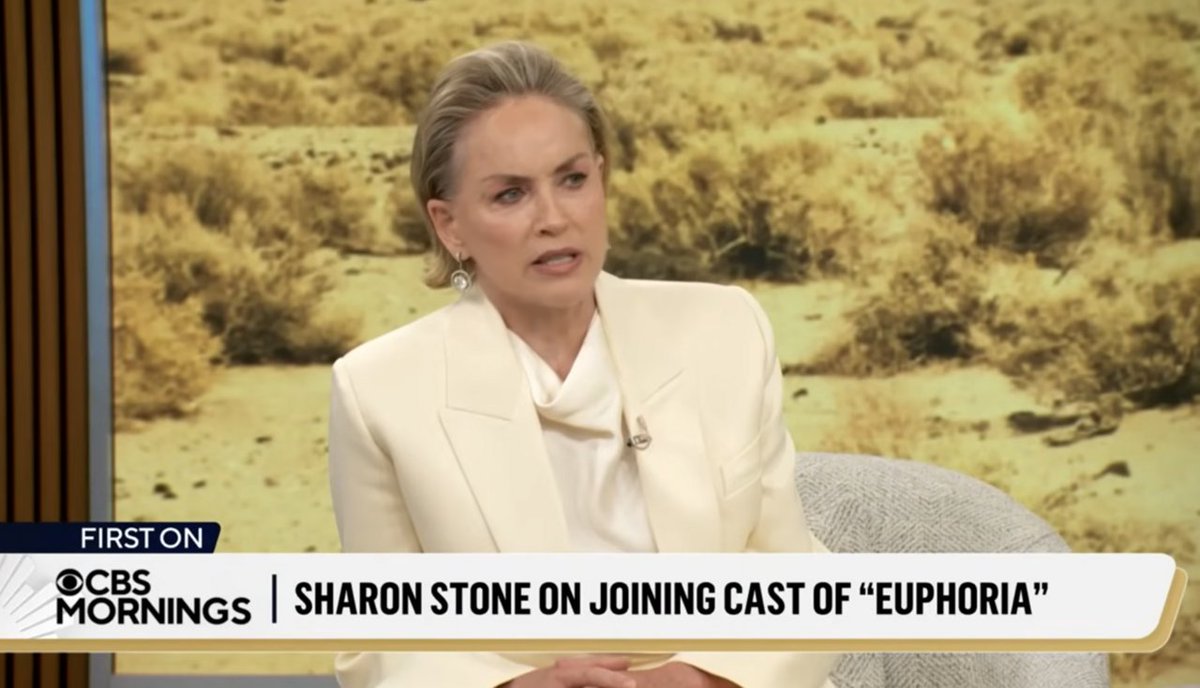
Sharon Stone Blasts ‘Blatant, Harsh Sexuality’ in Modern TV, Says She Fast-Forwards Through Sex Scenes
Sharon Stone’s Critique of Modern Television’s Sexuality
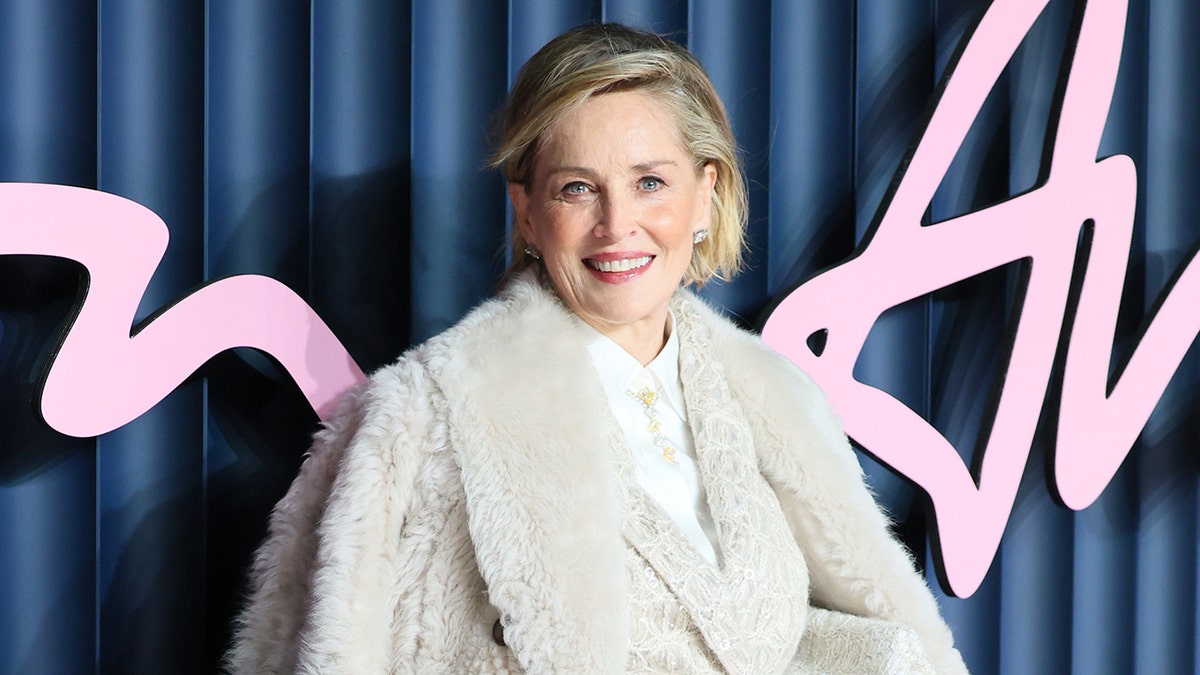
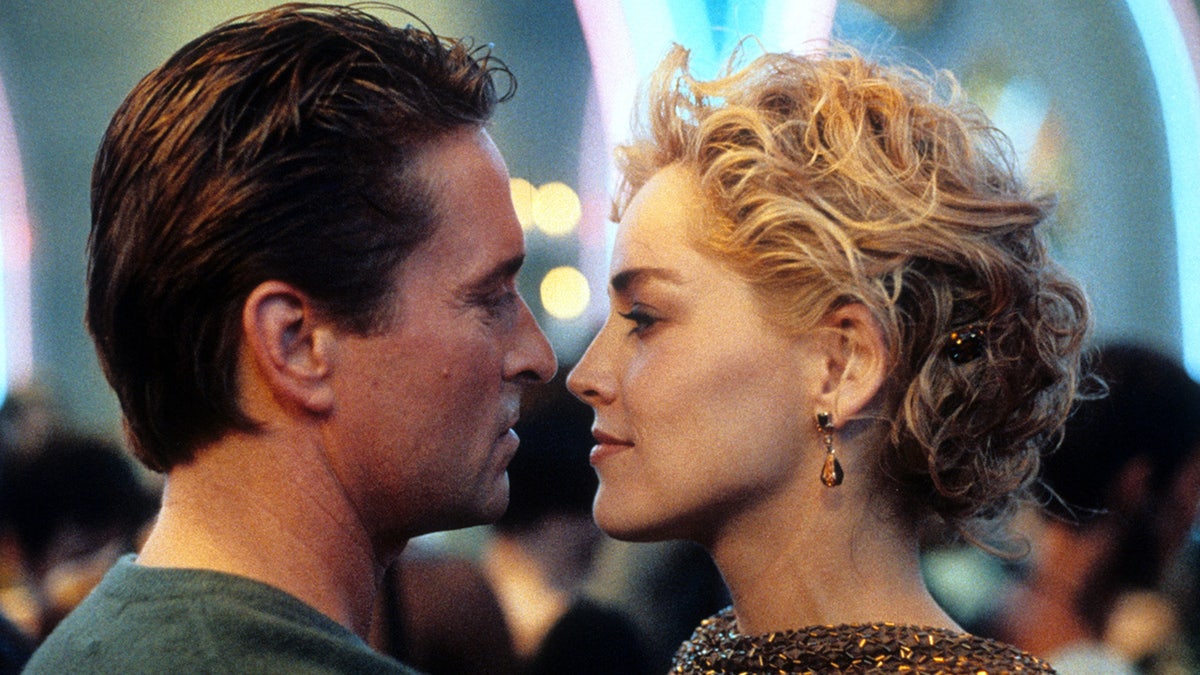
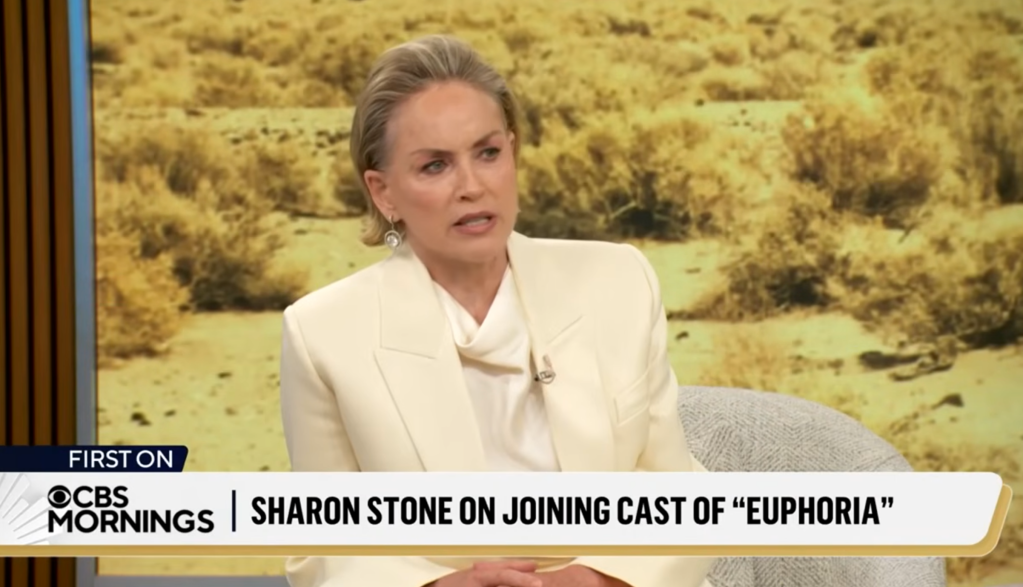
Sharon Stone, renowned for her iconic role in the 1992 thriller *Basic Instinct*, has recently voiced her strong opinions about the way sexuality is depicted on contemporary television. The actress laments that the current trend toward explicit and overt sex scenes has stripped away the mystery and intrigue that once made on-screen intimacy so captivating. Stone argues that this shift not only diminishes the power of sexuality but also undermines the viewer’s imagination and emotional engagement.
In a revealing interview, Stone contrasted today’s graphic portrayals with the subtlety of her legendary leg-crossing scene in *Basic Instinct*. She recalled how that brief moment, which was only a fraction of the frame, sparked widespread curiosity and fascination. “It was a third of a frame,” Stone emphasized, “and people were desperately trying to figure it out.” This element of suggestion, she believes, is what fuels profound sexuality — the yearning, the mystery, and the hope that keeps desire alive.
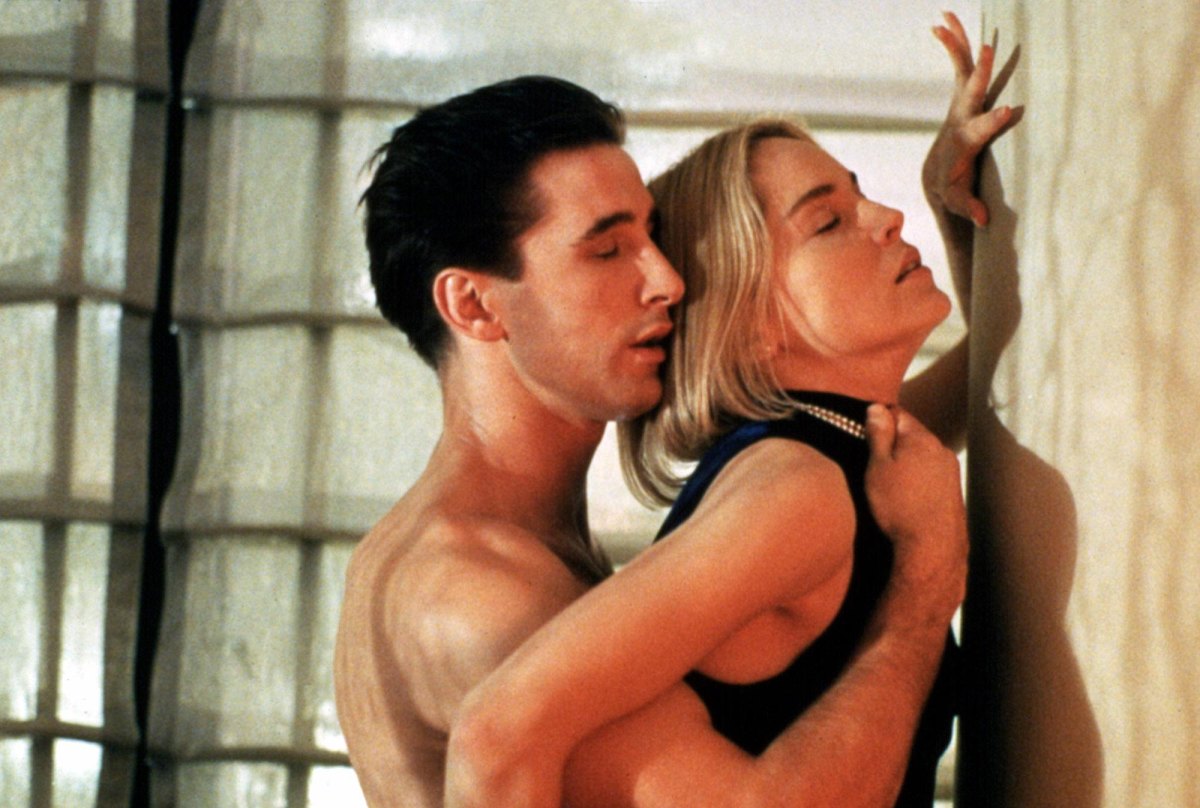
Stone’s perspective highlights a growing frustration among some actors and viewers who feel that modern television’s “blatant, harsh sexuality” leaves little room for imagination or emotional depth. She openly admits to fast-forwarding through explicit scenes, preferring instead to preserve the allure of subtlety and personal yearning.
The Lasting Impact of Stone’s Breakthrough Role
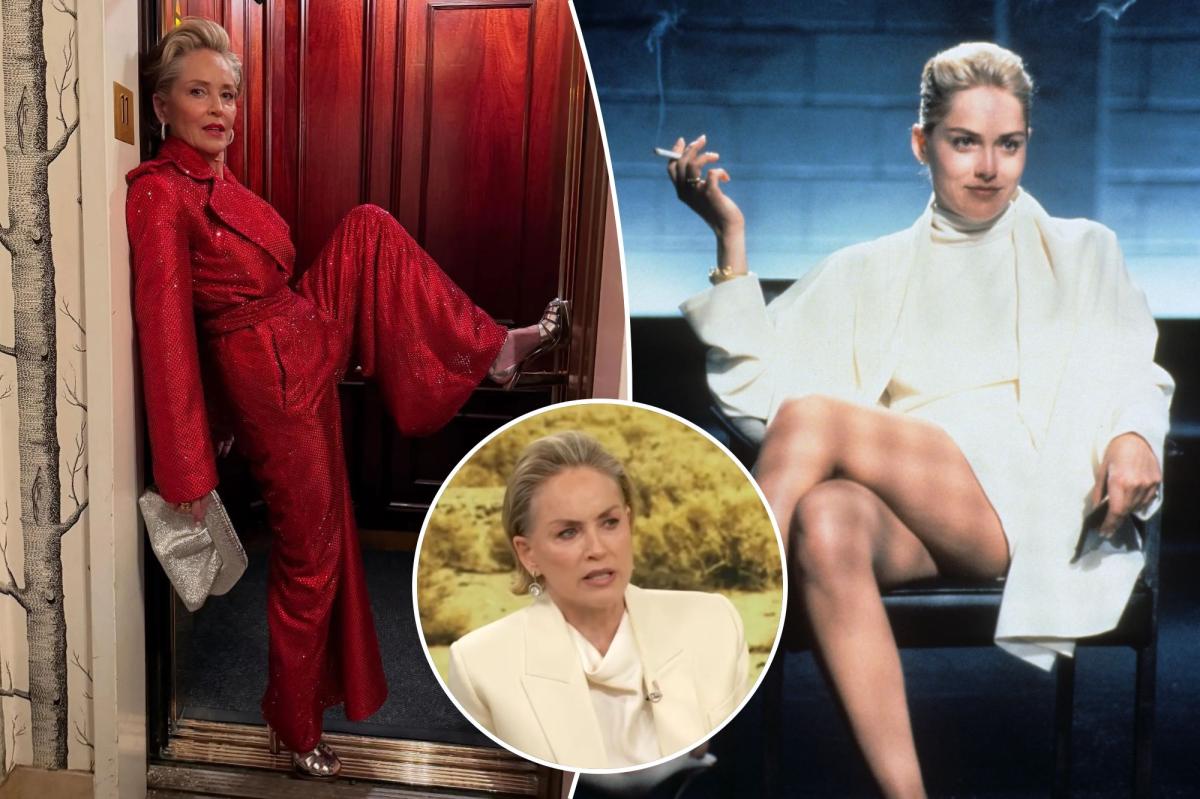
Stone’s reflections inevitably lead back to the career-defining moment that catapulted her into stardom. The *Basic Instinct* leg-crossing scene became a cultural phenomenon, symbolizing a new kind of cinematic sexuality that was suggestive rather than explicit. However, Stone also candidly shared the personal challenges that followed her rise to fame.
She revealed that the intense public scrutiny and typecasting that came with the role had significant consequences, including a painful custody battle where her work in sex scenes was unfairly used against her. “People treated me in ways that were very cruel and unkind,” Stone said, describing how she was stigmatized as if she were “some sort of slatternly, vulgar person.” This experience underscores the double standards and harsh judgments faced by women in Hollywood, particularly those who portray sexuality on screen.
Despite these difficulties, Stone has continued to embrace her legacy. In 2024, she paid tribute to her iconic character Catherine Tramell by recreating the famous leg-crossing pose in a striking Instagram post, reaffirming her pride in the role that changed her life.
Stone’s Broader Commentary on Nudity and Society’s Hypocrisy

Beyond her critique of television, Stone has also spoken out about society’s complicated relationship with nudity and the human body. Earlier this year, she shared an Instagram video expressing frustration over a film crew’s request to remove a nude painting from her home during a shoot. She questioned why people remain so uncomfortable with natural human forms while readily accepting violence and other graphic content in media.
“Why in 2026 are we still afraid of aging & living in our own selves?” Stone asked. She emphasized that people are much more than their appearances — they are artists, mothers, sisters, and more. Her comments challenge the cultural taboos surrounding nudity and call for a more open and accepting attitude toward the human body.
Stone’s advocacy for authenticity and self-acceptance resonates with many who feel that Hollywood and society at large need to evolve beyond outdated fears and stigmas.
Conclusion
Sharon Stone’s outspoken views on the “blatant, harsh sexuality” prevalent in modern television offer a compelling critique of how intimacy is portrayed today. By championing mystery, subtlety, and imagination, she invites both creators and audiences to reconsider the power of suggestion over explicitness. Stone’s reflections also shed light on the personal costs actors may endure when navigating Hollywood’s complex attitudes toward sex and nudity.
If you found Sharon Stone’s insights thought-provoking, stay tuned for more in-depth discussions on the evolving landscape of on-screen sexuality and the cultural shifts shaping entertainment today. Don’t forget to share your thoughts and join the conversation on how media can balance authenticity with artistry in portraying human intimacy.