Barry Manilow Underwent a Lobectomy for Lung Cancer. Here’s What to Know About the Surgery
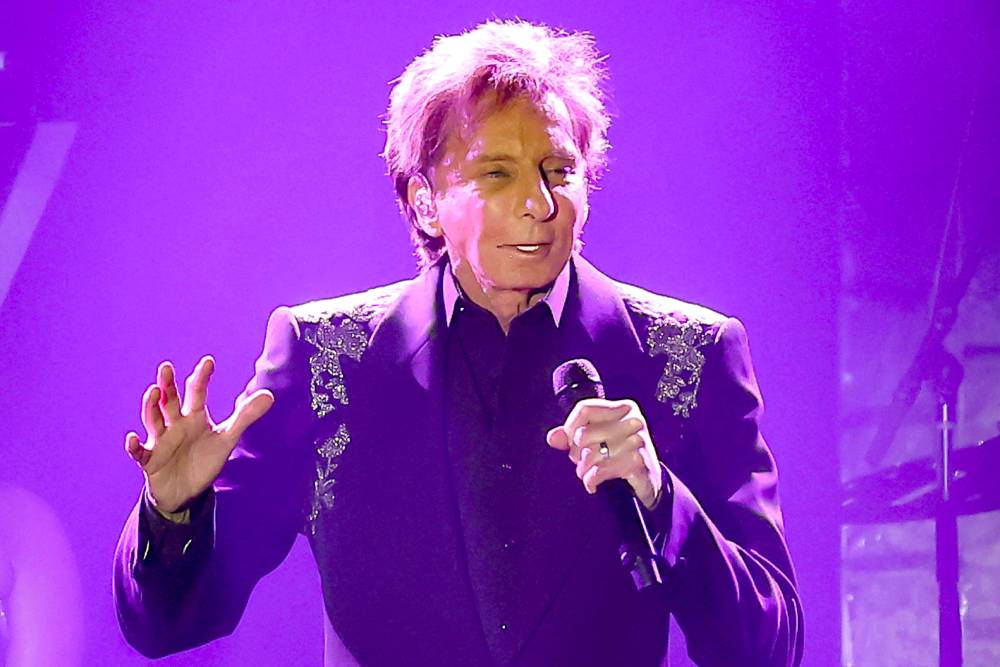
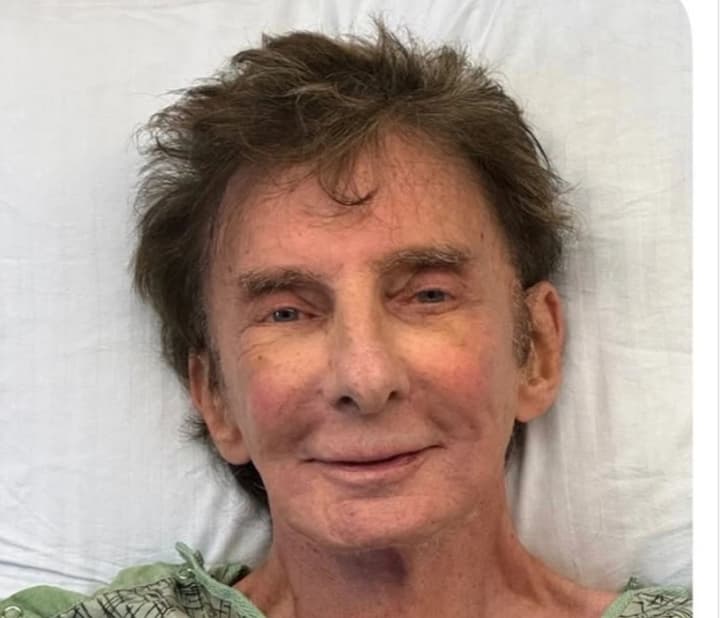
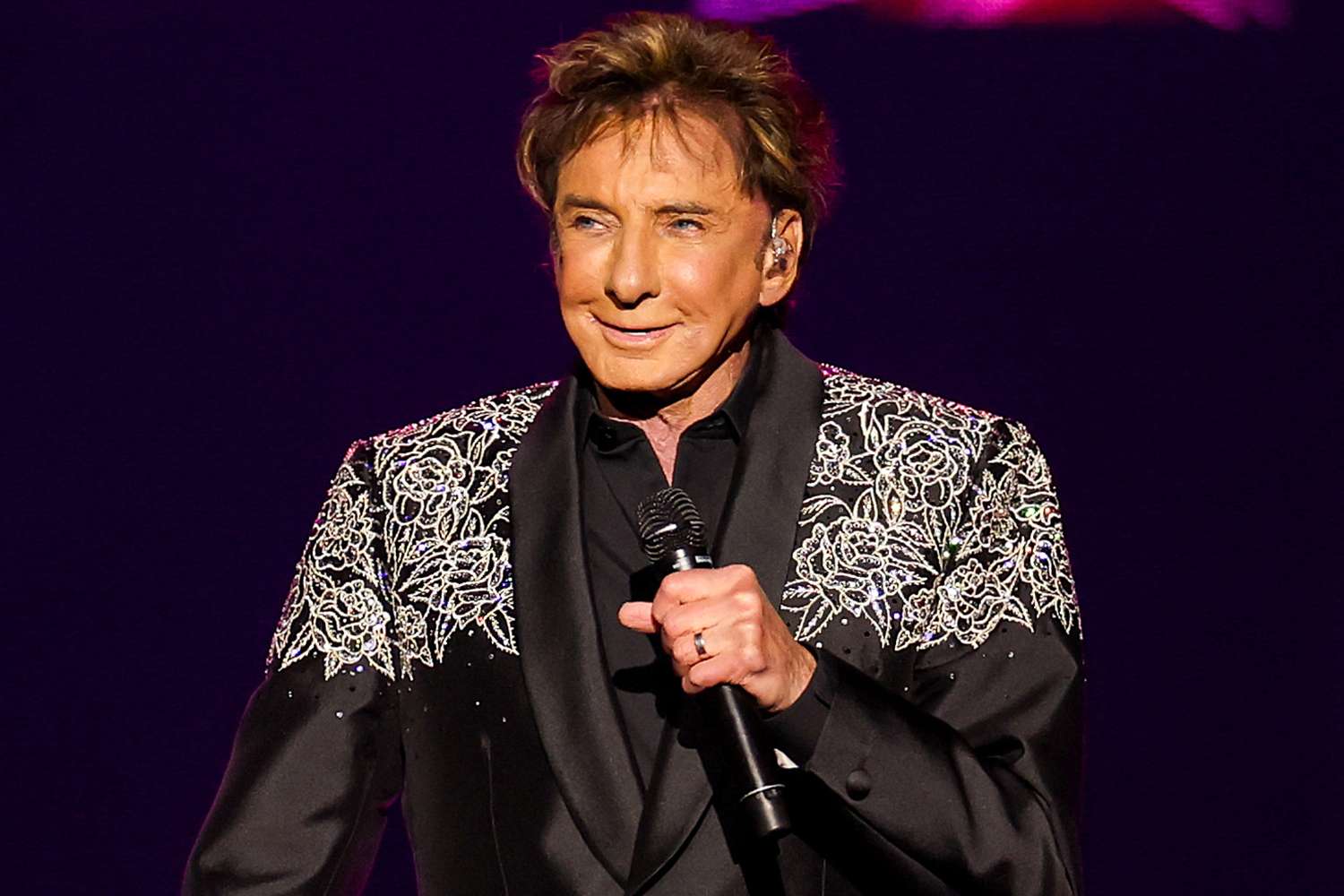
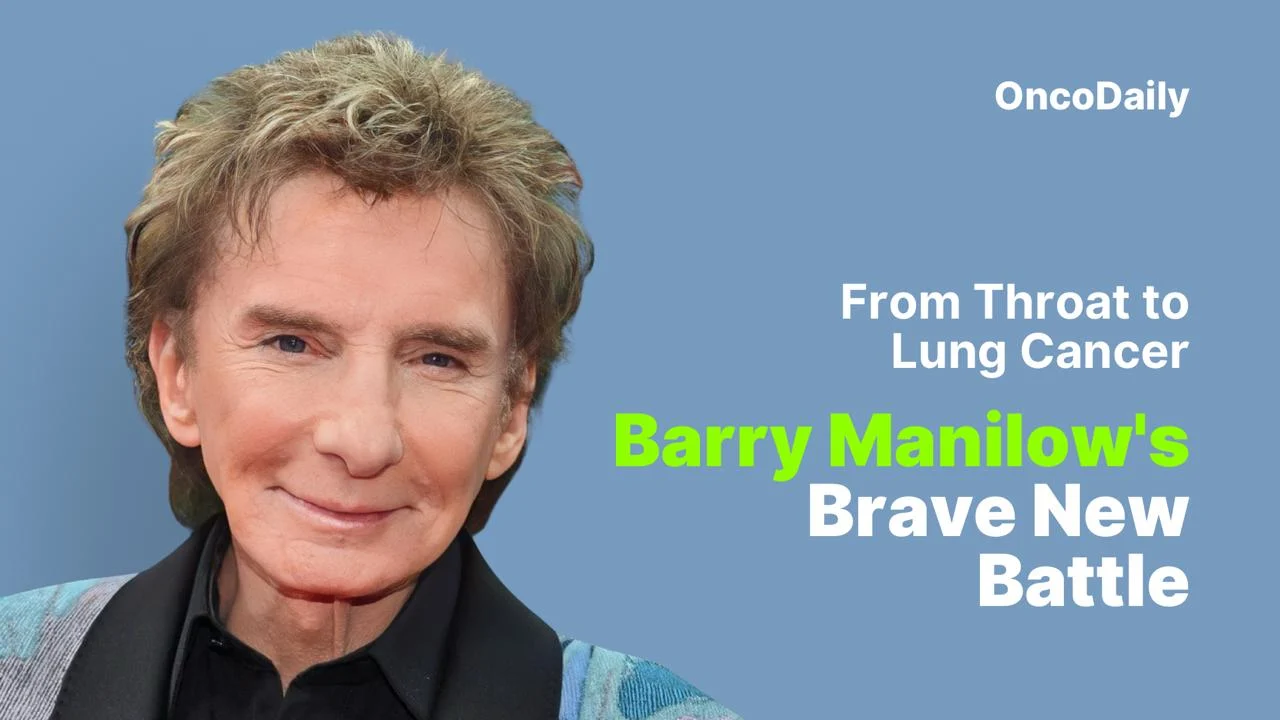
Barry Manilow, the legendary singer-songwriter, recently revealed that he underwent a lobectomy to treat lung cancer. This news has brought attention to lobectomy surgery, a common but significant procedure used to remove cancerous tissue from the lungs. Understanding what a lobectomy entails, why it is performed, and what patients can expect during recovery is essential for anyone facing lung cancer treatment options.
What Is a Lobectomy and Why Is It Performed?
A lobectomy is a surgical operation that involves removing one of the lobes of the lungs. The human lungs are divided into lobes—three on the right and two on the left. When lung cancer or other serious lung diseases affect a specific lobe, surgeons may recommend a lobectomy to remove the diseased portion while preserving as much healthy lung tissue as possible.
In Barry Manilow’s case, the lobectomy was performed to excise lung cancer, aiming to eliminate the tumor and prevent the disease from spreading further. This surgery is often considered when the cancer is localized and has not extensively invaded other parts of the lung or body.
The Lobectomy Procedure: What to Expect

Lobectomy surgery can be performed using different techniques, including traditional open surgery or minimally invasive methods such as video-assisted thoracoscopic surgery (VATS). The choice depends on the patient’s overall health, tumor size, and location.
During the procedure, the surgeon makes an incision in the chest to access the lungs. The affected lobe is carefully separated from the surrounding tissue and blood vessels and then removed. The remaining lung tissue is re-expanded to fill the space left by the removed lobe.
The surgery typically lasts several hours and requires general anesthesia. After the operation, patients are monitored closely in the hospital for any complications such as infection, bleeding, or breathing difficulties.
Risks and Recovery After Lobectomy
Like any major surgery, lobectomy carries potential risks. These include infection, bleeding, pneumonia, and complications related to anesthesia. However, advances in surgical techniques and postoperative care have significantly improved outcomes.
Recovery time varies depending on the individual’s health and the surgical approach used. Patients usually stay in the hospital for several days and may require supplemental oxygen during the initial recovery phase. Physical therapy and breathing exercises are often recommended to help restore lung function.
Long-term, many patients experience improved quality of life after lobectomy, especially when the surgery successfully removes cancerous tissue. Regular follow-up appointments and imaging tests are essential to monitor for any signs of recurrence.
Why Barry Manilow’s Experience Matters
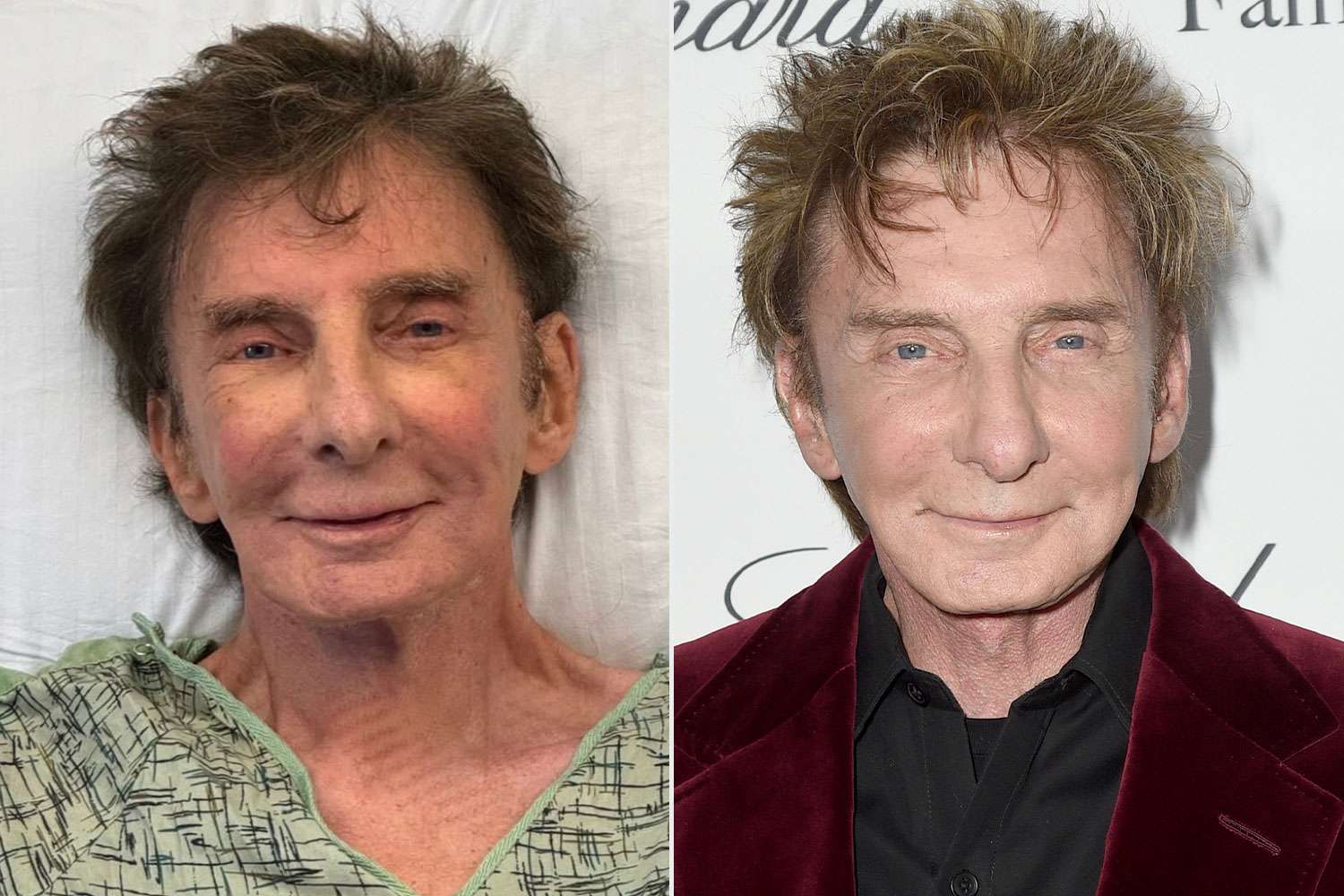
Barry Manilow’s openness about his lobectomy and lung cancer diagnosis helps raise awareness about lung health and the importance of early detection. Lung cancer is one of the leading causes of cancer-related deaths worldwide, but early intervention through surgeries like lobectomy can significantly improve survival rates.
His story encourages individuals to seek medical advice if they experience symptoms such as persistent cough, chest pain, or unexplained weight loss. It also highlights the advances in surgical care that make procedures like lobectomy safer and more effective than ever before.
Support and Resources for Lung Cancer Patients

For those diagnosed with lung cancer, understanding treatment options is crucial. Besides lobectomy, treatments may include chemotherapy, radiation therapy, targeted therapy, or a combination of these approaches.
Support groups, counseling, and patient education programs can provide emotional and practical assistance during treatment and recovery. Organizations such as the American Lung Association and Lung Cancer Foundation offer valuable resources for patients and families.
Conclusion
Barry Manilow’s recent lobectomy for lung cancer shines a spotlight on this critical surgical procedure and its role in treating lung disease. If you or a loved one is facing lung cancer, learning about lobectomy surgery can help you make informed decisions about care. Consult with your healthcare provider to explore all treatment options and develop a plan tailored to your needs. Early detection and timely intervention remain key to improving outcomes—don’t hesitate to seek medical advice if you notice any concerning symptoms.