Louise Thompson Says She’s ‘Turned a Major Corner’ in Her PTSD Recovery as She Returns to Antigua
Louise Thompson, the well-known star from Made In Chelsea, has recently shared a heartfelt update on her ongoing battle with post-traumatic stress disorder (PTSD). After a challenging period marked by serious health issues, Louise has made a triumphant return to Antigua, the very place where her health crisis forced her to cut short a trip two years ago. This emotional milestone symbolizes a significant turning point in her recovery journey, highlighting her resilience and determination to reclaim her life.
Louise Thompson’s PTSD Recovery: Returning to Antigua as a Symbol of Healing
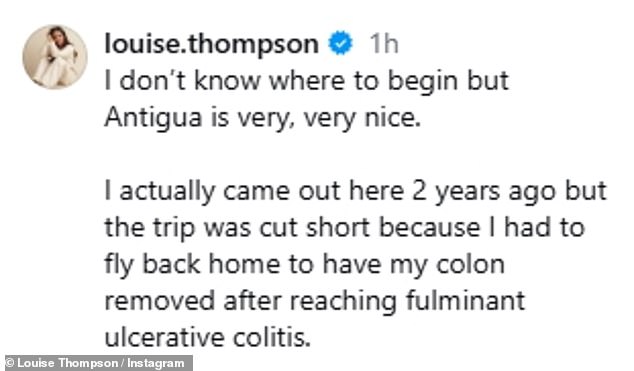
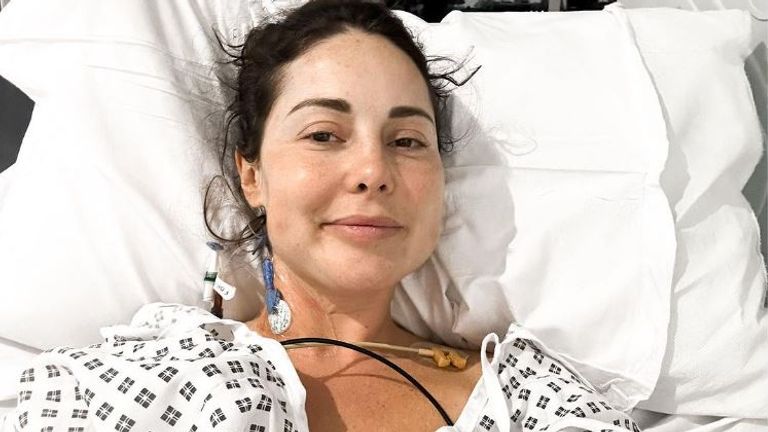
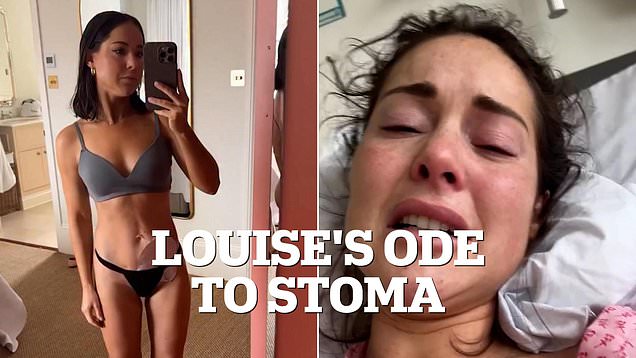
In 2018, Louise was diagnosed with Ulcerative Colitis, a chronic inflammatory bowel disease that severely impacted her health and lifestyle. The condition took a dramatic turn during a trip to Antigua in 2022 when Louise experienced severe symptoms, including significant blood loss, extreme weakness, and an inability to care for her young son. This alarming situation led to an emergency early return to the UK, where she underwent surgery to have her colon removed and was fitted with a stoma in April 2024.
The trauma of this experience extended beyond the physical challenges, deeply affecting Louise’s mental health and leading to a diagnosis of PTSD. The Made In Chelsea star has since been committed to therapy and recovery, working tirelessly to overcome the psychological scars left by her ordeal.
Recently, Louise shared an emotional post on social media revealing that she has returned to Antigua with her son Leo, aged four, and her partner Ryan Libbey. She described this trip as “a beautiful opportunity to re-write those memories in better health,” emphasizing the importance of facing her fears and reclaiming positive experiences in a place once associated with trauma.
The Emotional Impact and Importance of Facing Trauma in PTSD Recovery

Louise’s decision to revisit Antigua is a powerful example of how confronting traumatic memories can play a crucial role in healing from PTSD. For many individuals, avoiding places or situations linked to trauma can prolong distress and hinder recovery. By returning to Antigua, Louise is actively engaging in a therapeutic process known as exposure therapy, where gradual re-exposure to trauma-related environments helps reduce anxiety and build resilience.
Her journey also highlights the intersection between physical health challenges and mental health struggles. Managing a chronic illness like Ulcerative Colitis, especially after major surgery, can be overwhelming and isolating. Louise’s openness about her experience encourages others facing similar battles to seek support and prioritize both their physical and emotional well-being.
The stunning photos Louise shared during her trip show her embracing the natural beauty of Antigua, holding her son close, and enjoying moments of peace and joy. These images serve as a testament to her progress and the hope that recovery is possible, even after profound hardship.
Supporting Mental Health and Chronic Illness: Lessons from Louise Thompson’s Story

Louise Thompson’s story offers valuable insights into the challenges faced by individuals dealing with chronic illness and PTSD. It underscores the importance of comprehensive care that addresses both physical symptoms and mental health needs. Therapy, medical treatment, and a strong support network are essential components of successful recovery.
Her public journey also helps reduce stigma around mental health issues, particularly PTSD, which can often be misunderstood or overlooked. By sharing her vulnerability and triumphs, Louise inspires others to acknowledge their struggles and seek help without shame.
For those living with chronic conditions, Louise’s experience is a reminder that setbacks do not define the future. With perseverance, professional support, and self-compassion, it is possible to regain control and find joy again.
Conclusion
Louise Thompson’s courageous return to Antigua marks a major milestone in her PTSD recovery and ongoing health journey. Her story is a powerful reminder of the strength it takes to face trauma head-on and the healing that comes from rewriting painful memories with new, positive experiences. If you or someone you know is struggling with PTSD or chronic illness, remember that help is available and recovery is within reach. Take the first step today by reaching out to a healthcare professional or support group to begin your own journey toward healing and hope.