Jeremy Vine Calls Radio 2 Colleague Scott Mills’ Sacking ‘Unfair’ After Police Probe Was Dropped
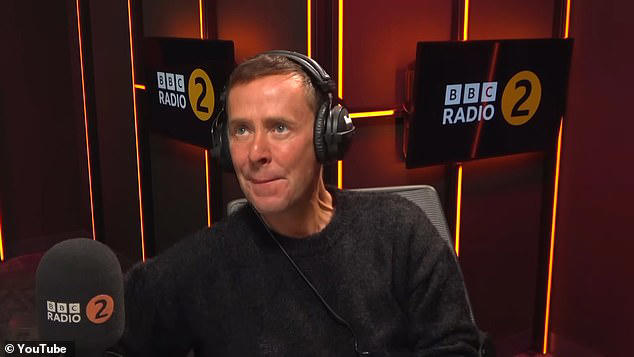
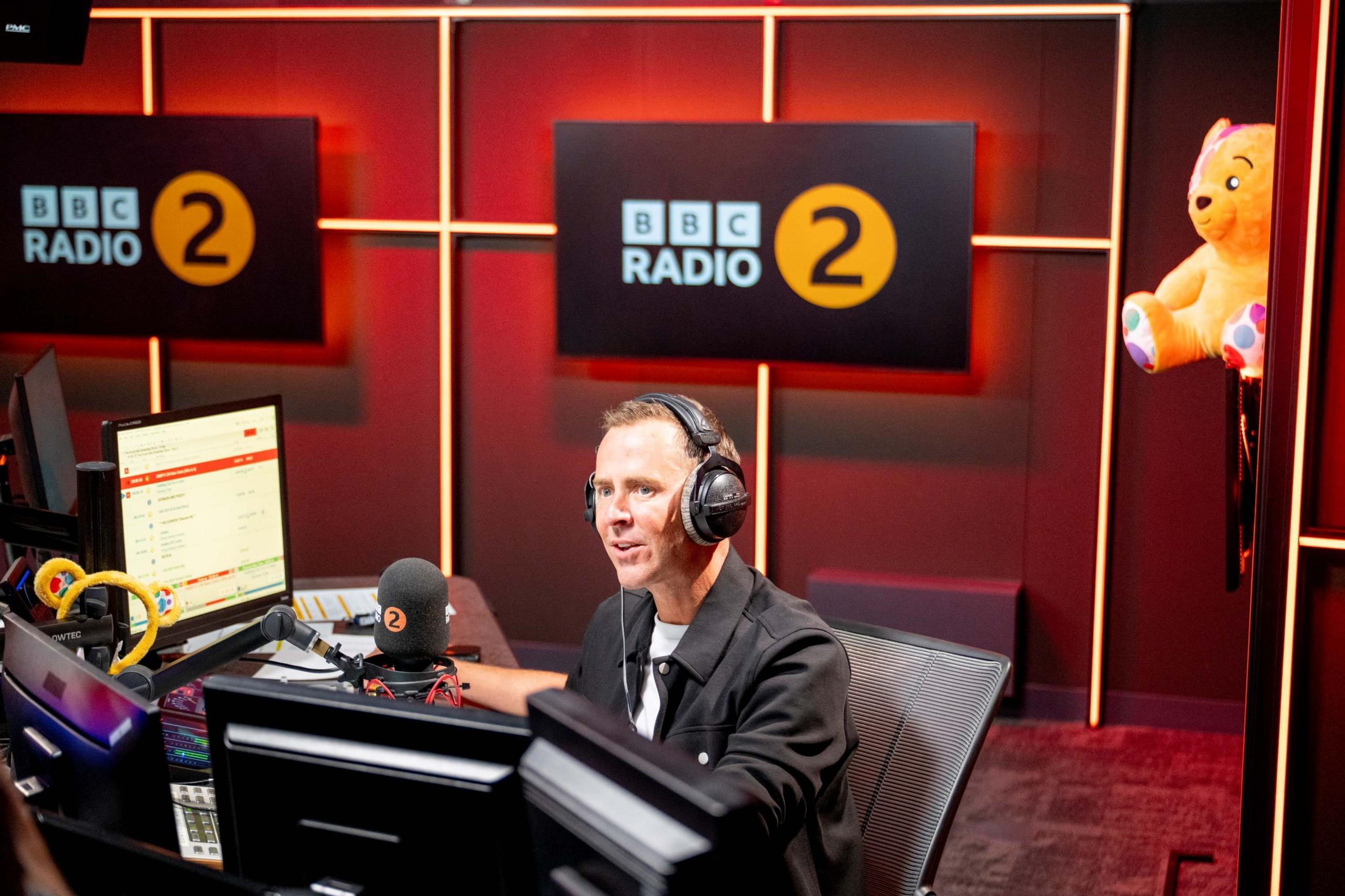
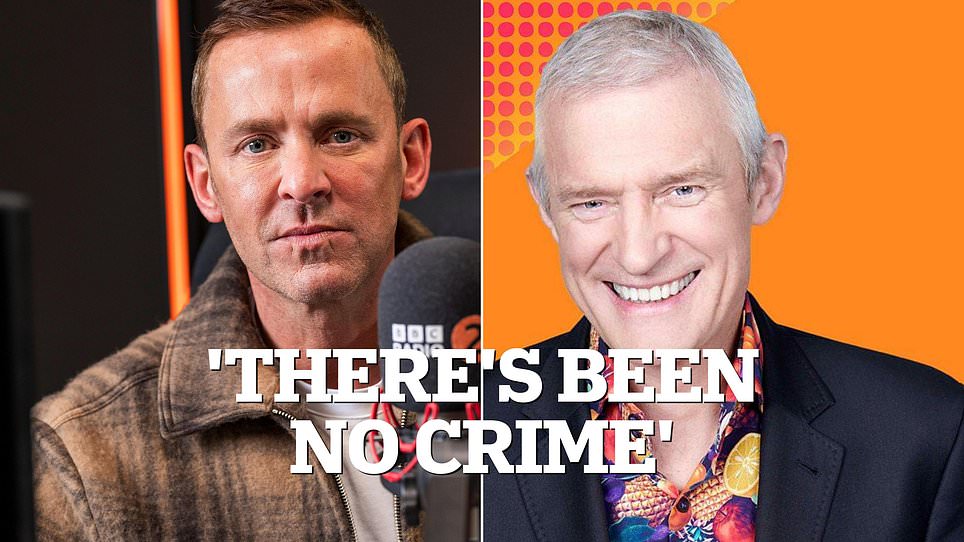
Jeremy Vine, the well-known Radio 2 presenter, has publicly expressed his dismay over the recent dismissal of his colleague Scott Mills. Speaking on his Radio 2 show, Vine described the sacking as “unfair,” stressing that “there’s been no crime” committed by Mills. This statement comes in the wake of a police investigation into allegations against Mills that were ultimately dropped years ago due to insufficient evidence. The controversy has sparked widespread discussion about the BBC’s approach to handling allegations and the mental health support provided to its employees.

Why Jeremy Vine Believes Scott Mills’ Sacking Was Unjust
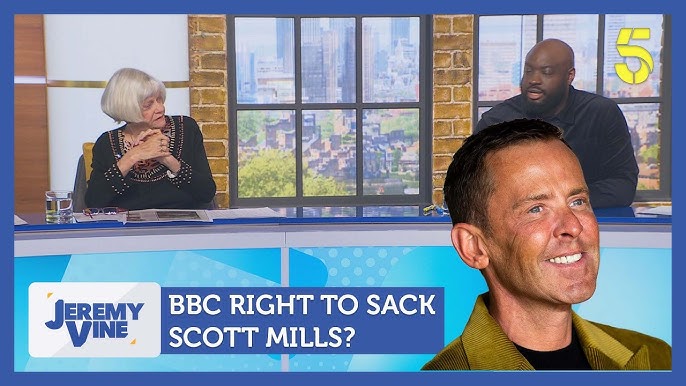
Scott Mills was removed from his position at BBC Radio 2 shortly after his final breakfast show aired. The dismissal followed reports linking the decision to a 2016 police investigation concerning serious sexual offences allegedly committed by Mills between 1997 and 2000. However, the case was closed approximately seven years ago because of a lack of evidence, and no charges were ever brought against him.

Jeremy Vine, who has worked alongside Mills for several years, voiced his confusion and disappointment over the BBC’s decision. On his show, Vine highlighted that there was no criminal conviction or ongoing legal case against Mills, which made the sacking seem particularly harsh. He said, “Scott Mills’ sacking has left a lot of people very confused. What do you make of it? I’d love to know?”

Vine also suggested that the BBC’s decision may have been influenced by a desire to avoid criticism related to the handling of another high-profile case involving BBC presenter Huw Edwards. Edwards was recently given a six-month suspended sentence after pleading guilty to charges related to indecent images of children. Vine questioned why Mills did not receive the same mental health considerations as Edwards, who was reportedly in a fragile state during his legal proceedings.

The Mental Health Debate: Scott Mills vs. Huw Edwards

One of the most contentious aspects of this situation revolves around the mental health support—or lack thereof—provided to Scott Mills compared to Huw Edwards. While Edwards was reportedly granted some leniency due to his mental health struggles, including anxiety and depression, Mills appears not to have been afforded the same level of understanding or accommodation.
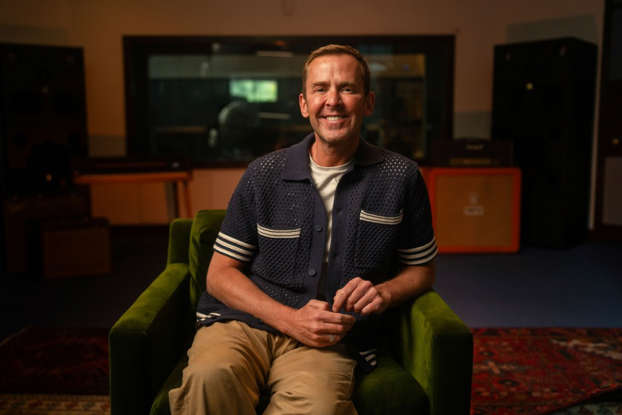
Jeremy Vine pointed out that Mills’ history also includes battles with anxiety and depression, yet the BBC’s response seemed markedly different. This discrepancy has raised questions about fairness and consistency in how the broadcaster manages sensitive cases involving mental health and allegations of misconduct.

The debate highlights a broader issue within the media industry: how to balance accountability with compassion, especially when mental health challenges are involved. Critics argue that organizations must develop clearer policies that protect both the rights of individuals and the integrity of the workplace.
Public and Industry Reactions to the Sacking

The news of Scott Mills’ dismissal shocked many within the BBC and its audience. Colleagues described Mills as a popular and well-liked figure, making the decision even more difficult to understand. Listeners and industry insiders alike have expressed concern over the lack of transparency surrounding the reasons for his sacking.
Some commentators have suggested that the BBC may be acting out of an abundance of caution to protect its reputation, especially in light of recent scandals. However, others warn that such actions risk damaging the careers and reputations of individuals without due process.
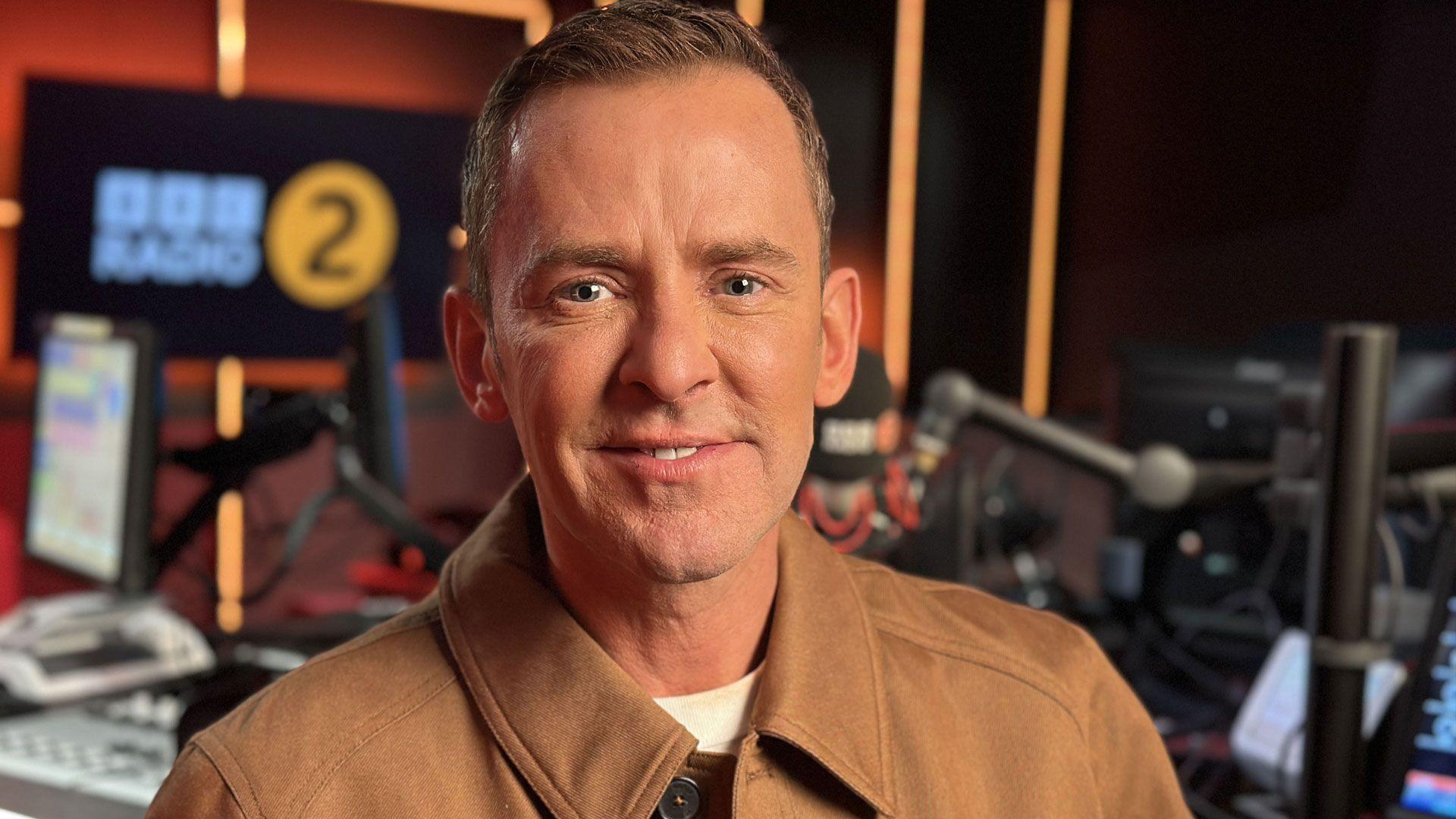
Jeremy Vine’s vocal support for Mills has helped bring the conversation into the public eye, encouraging a wider discussion about fairness, justice, and mental health support within major media organizations.
Conclusion
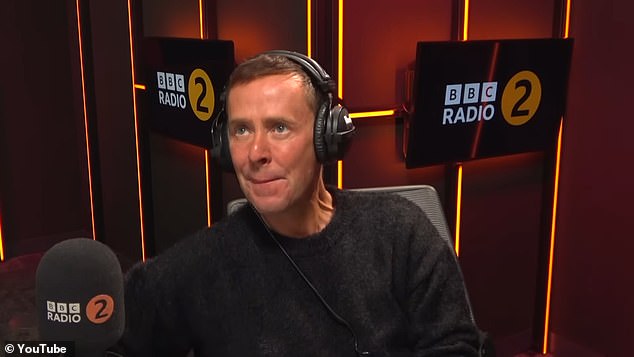
Jeremy Vine’s criticism of Scott Mills’ sacking raises important questions about fairness, mental health considerations, and the handling of allegations within the BBC. With no crime proven and a police investigation dropped years ago, many are left wondering if Mills was treated justly. This case underscores the need for clearer policies and compassionate approaches when addressing sensitive issues involving mental health and personal conduct in the workplace.
If you have thoughts on this topic or want to stay updated on similar stories, be sure to follow our coverage and join the conversation. Your voice matters in shaping how organizations balance accountability with empathy.