Manosphere Influencer Myron Gaines Accuses Louis Theroux’s ‘Woke’ Netflix Documentary of ‘Making Him Look Crazy’ with ‘Bad Editing’ as He’s Dumped by Girlfriend After Bragging About Plan to Have Two Wives
Myron Gaines Slams Louis Theroux’s Netflix Documentary for ‘Bad Editing’ and ‘Woke’ Bias
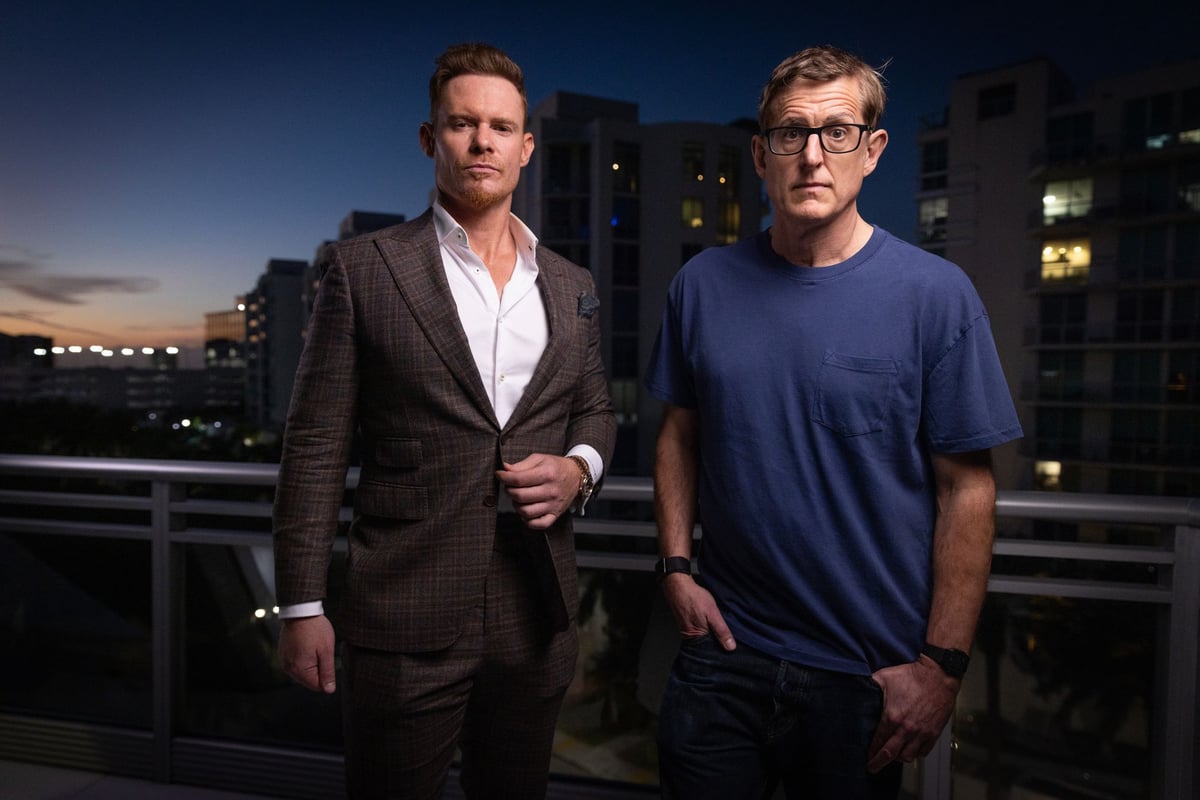
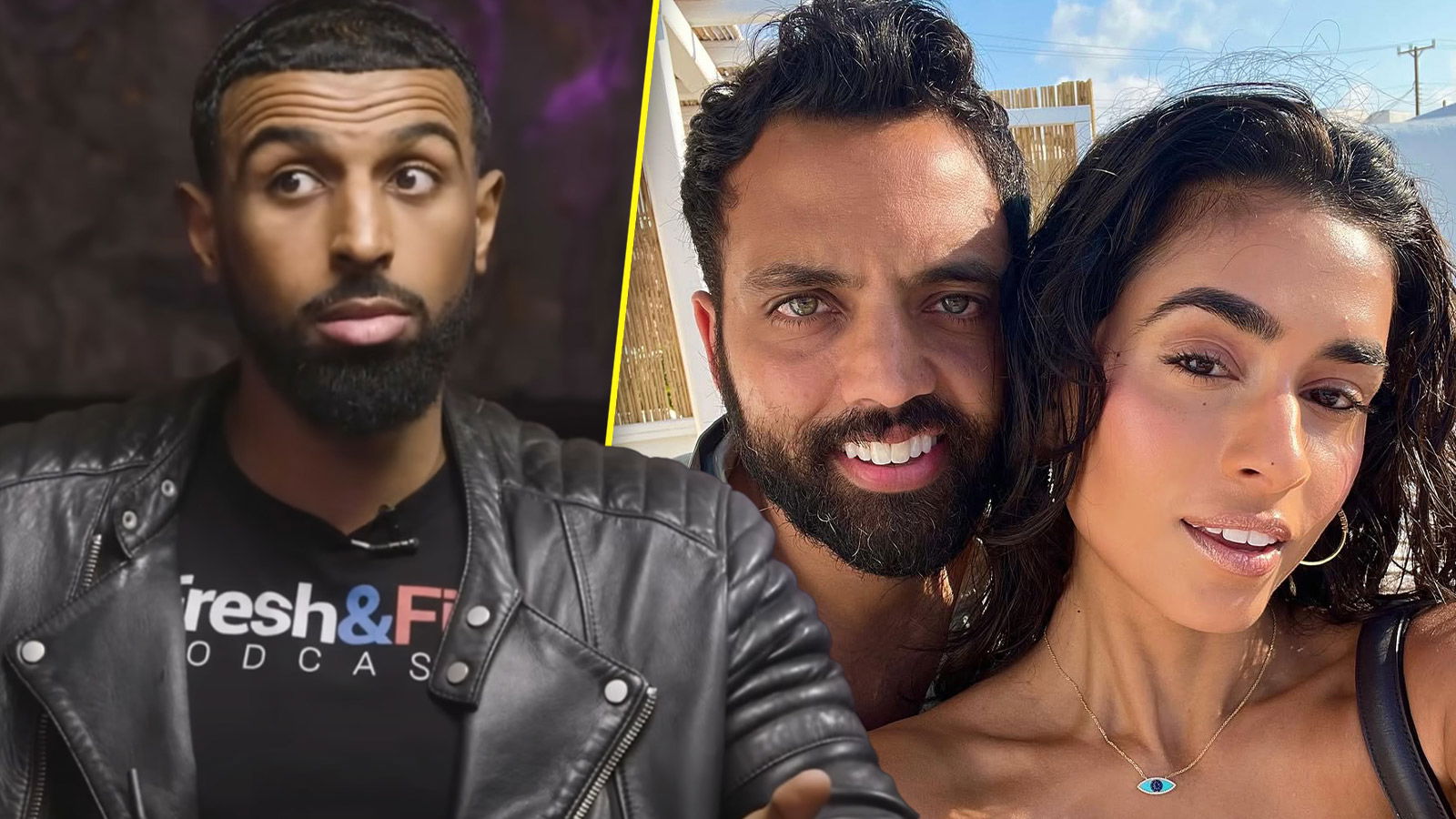
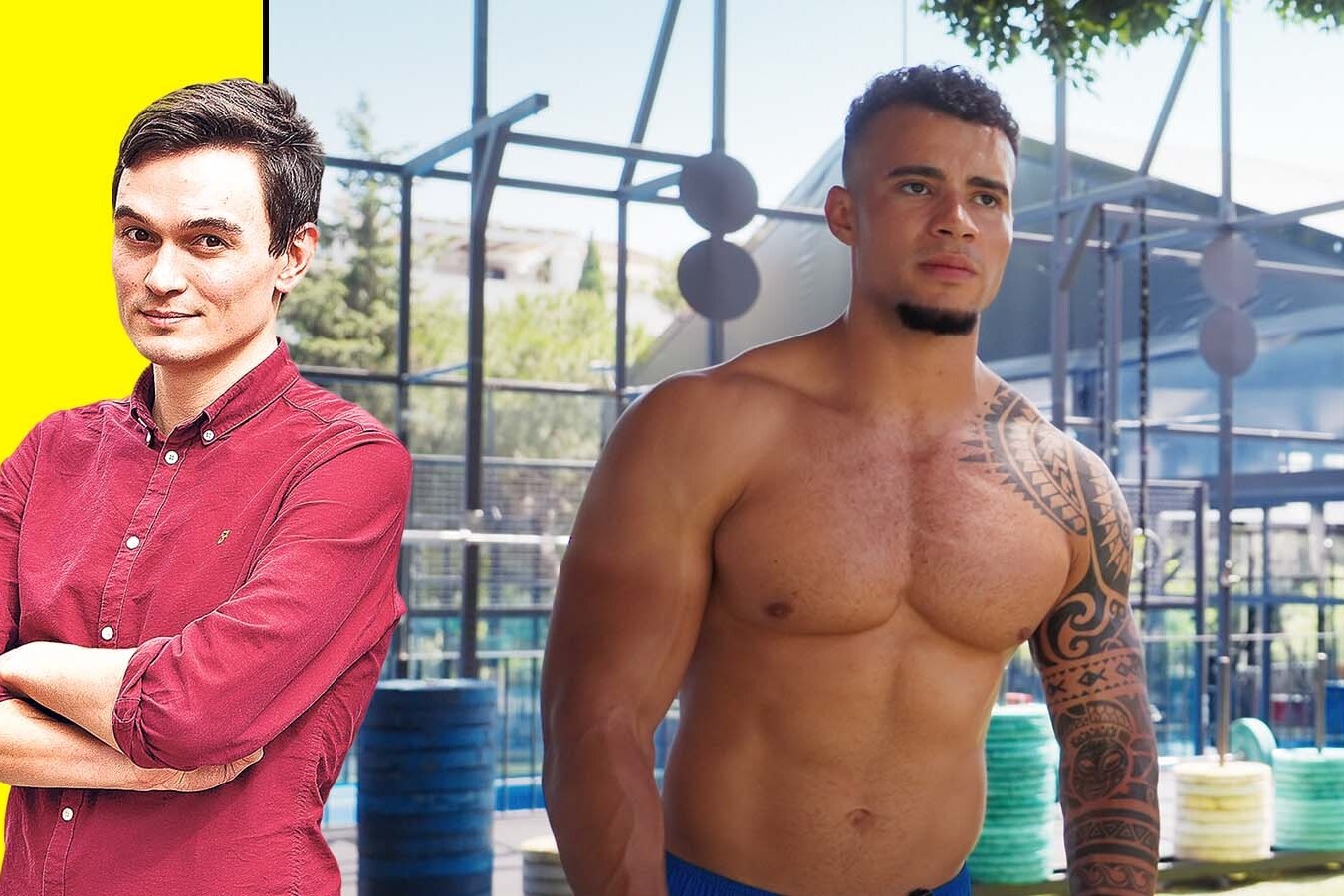
Manosphere influencer Myron Gaines, known for his controversial views on masculinity and relationships, has publicly accused Louis Theroux’s Netflix documentary of unfairly portraying him through “bad editing” and a “woke” agenda. The documentary, which explores the extremist corners of the manosphere, has sparked heated debates online, especially after Gaines claimed it made him look “crazy” and misrepresented his intentions.
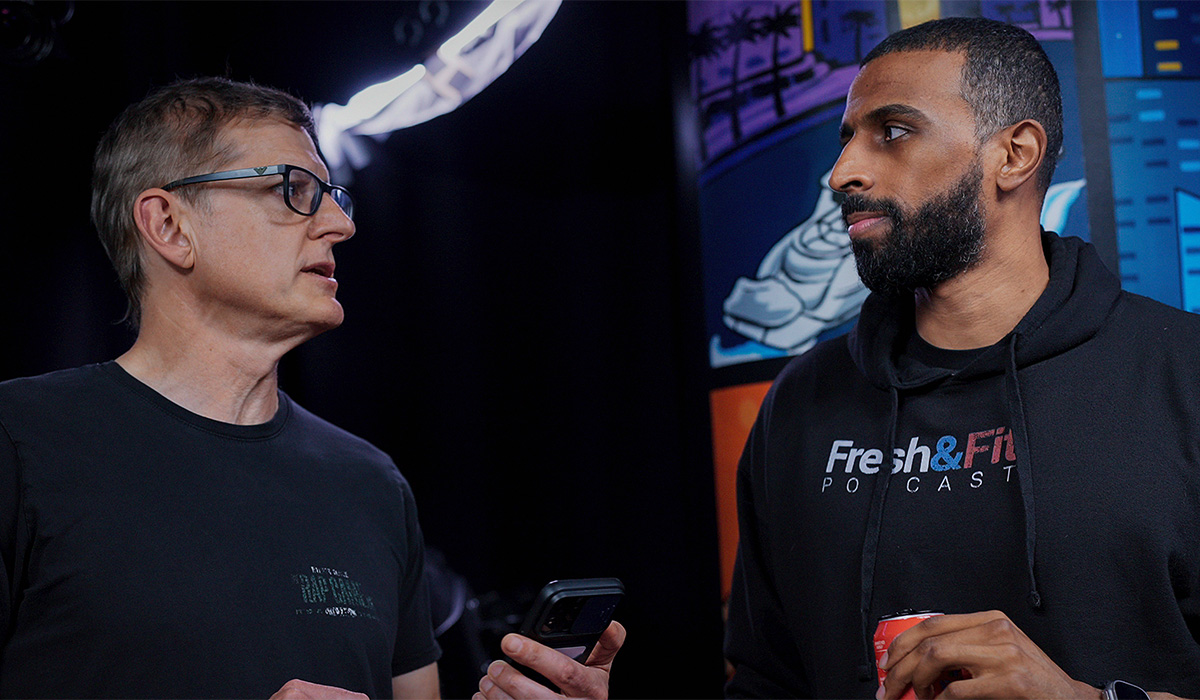
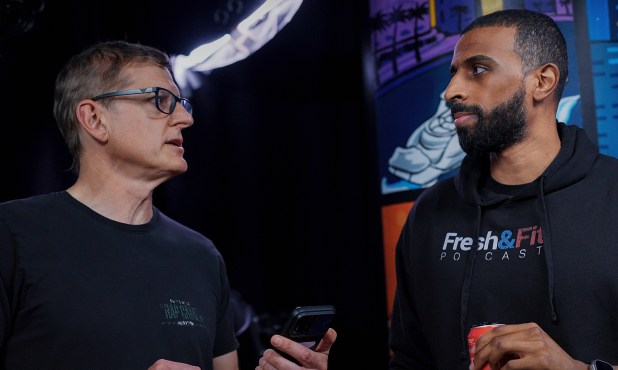
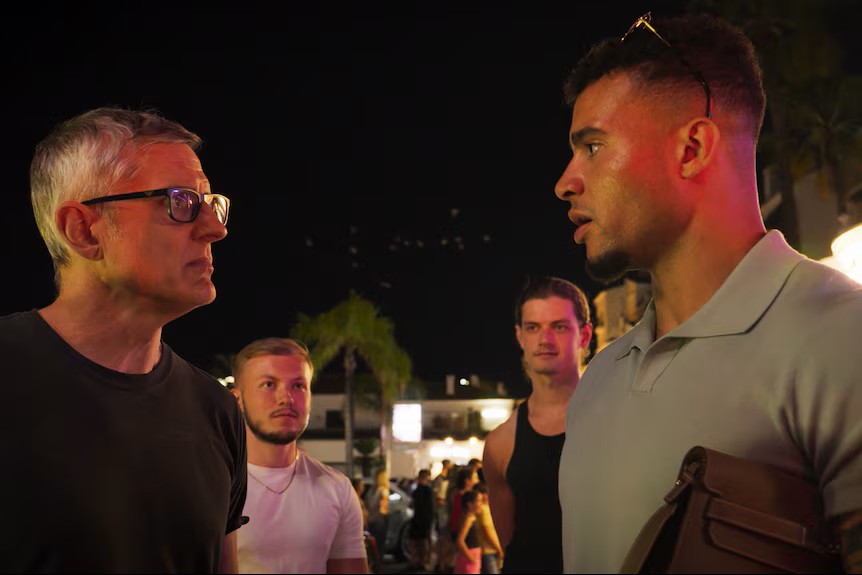
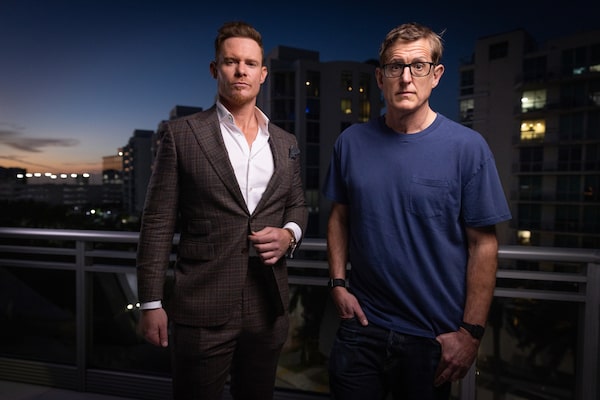
Louis Theroux, a renowned British documentarian, ventured into the manosphere—a cultural movement dominated by influencers promoting often misogynistic, homophobic, and extremist views—to understand the mindset of young men attracted to this ideology. Myron Gaines, who gained notoriety through his “Fit and Fresh” podcast and social media presence, was one of the key figures featured in the documentary.
Gaines argues that the documentary’s editing selectively highlighted his most controversial statements, stripping away context and nuance. He insists that this approach was designed to vilify him and the broader manosphere community, which he claims is misunderstood by mainstream media. Calling the documentary “woke propaganda,” Gaines suggests it was more interested in pushing a political agenda than presenting an honest portrayal.
The Rise of Myron Gaines and the Manosphere Movement
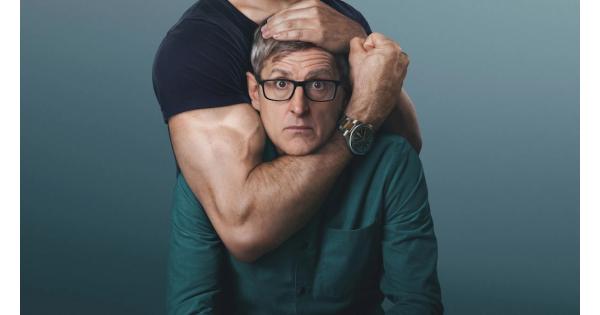
Myron Gaines rose to prominence through his “Fit and Fresh” podcast, which covers topics such as masculinity, fitness, finance, and relationships. The podcast has attracted a predominantly young male audience, some of whom are drawn to the more radical views expressed by Gaines and his guests. Notably, the show has featured controversial figures like Andrew Tate, further fueling its notoriety.
The manosphere itself is a loosely connected network of online communities and influencers who often promote traditional or extremist views on gender roles, relationships, and society. Critics argue that many manosphere influencers propagate misogyny, racism, and other harmful ideologies, while supporters claim they offer an alternative perspective on masculinity and self-improvement.
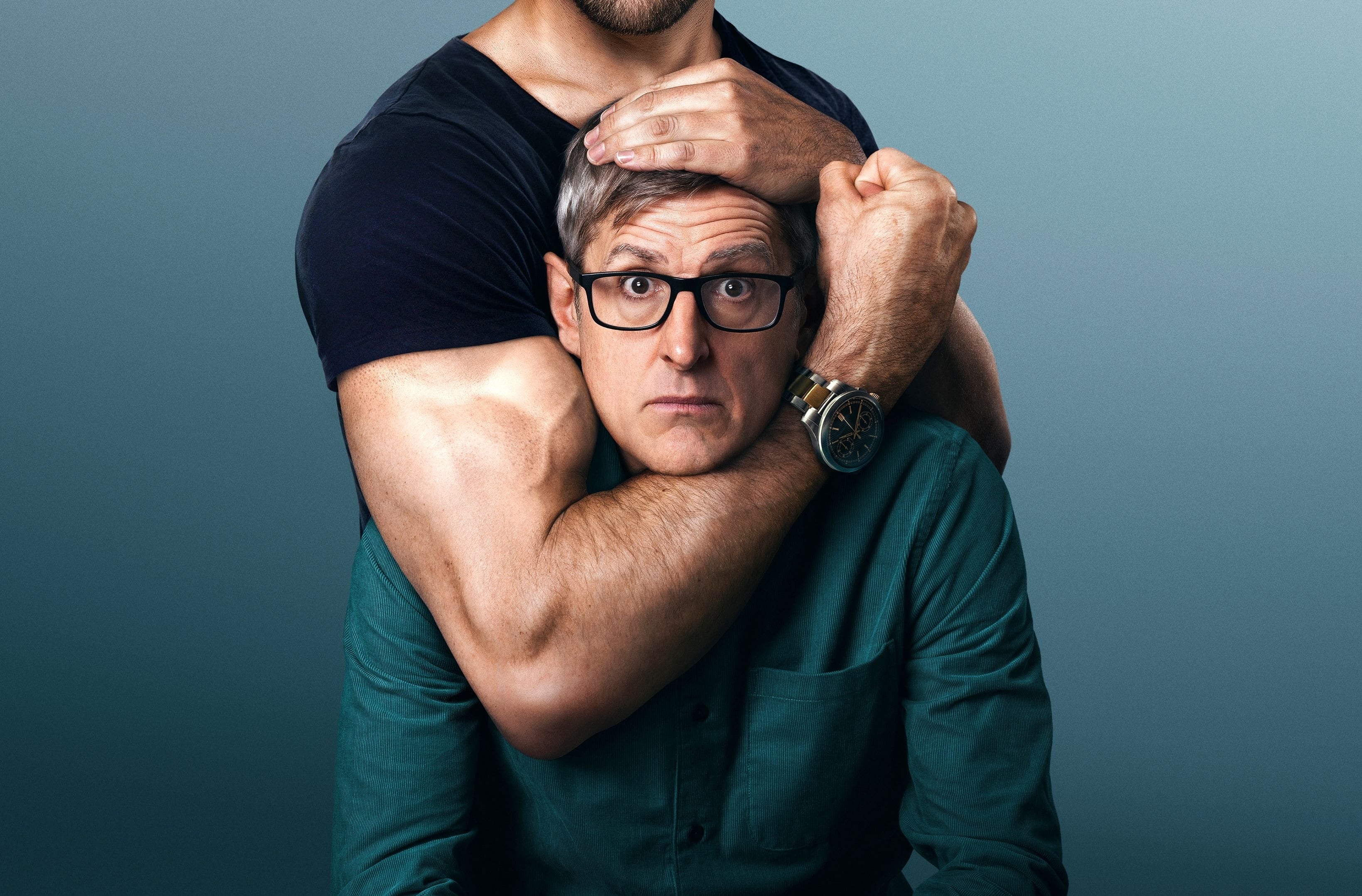
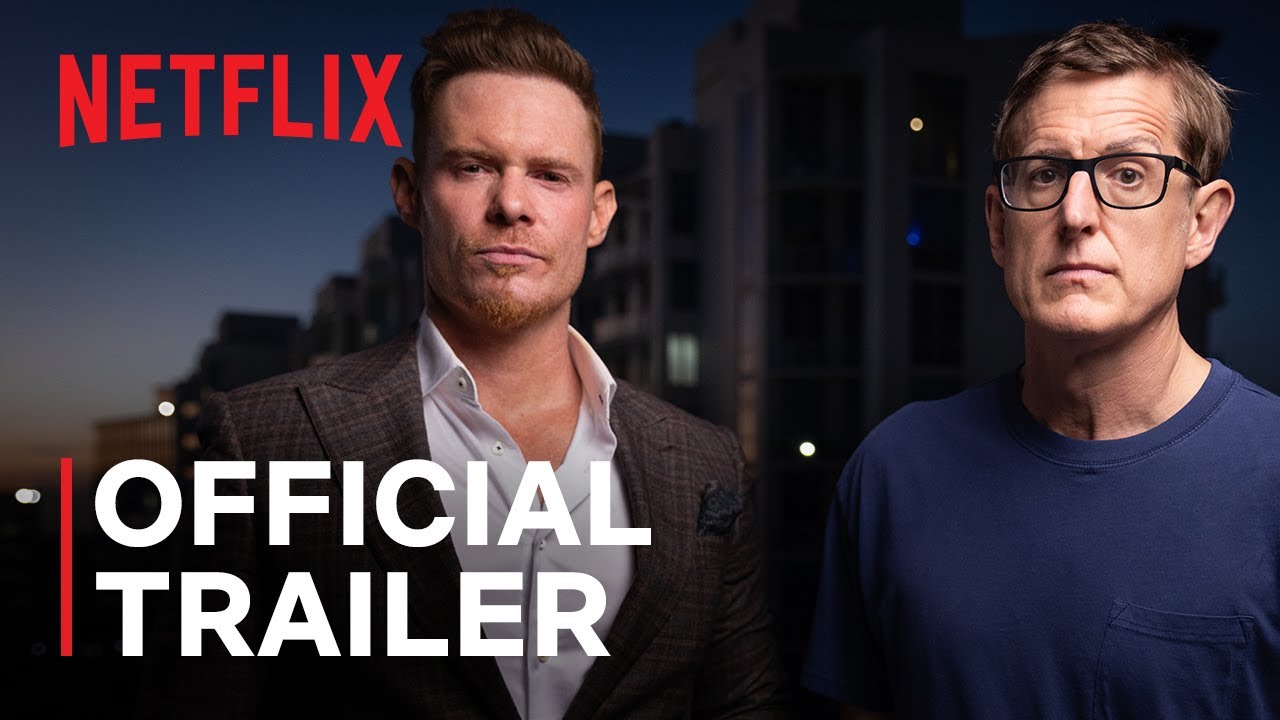
Louis Theroux’s documentary, titled *Inside The Manosphere*, delves into this complex and often troubling subculture. By interviewing key personalities like Gaines, Theroux aims to shed light on the motivations and beliefs driving this movement. However, the backlash from figures like Gaines highlights the challenges of representing such polarizing subjects fairly.
Controversy Deepens as Gaines Faces Personal Fallout
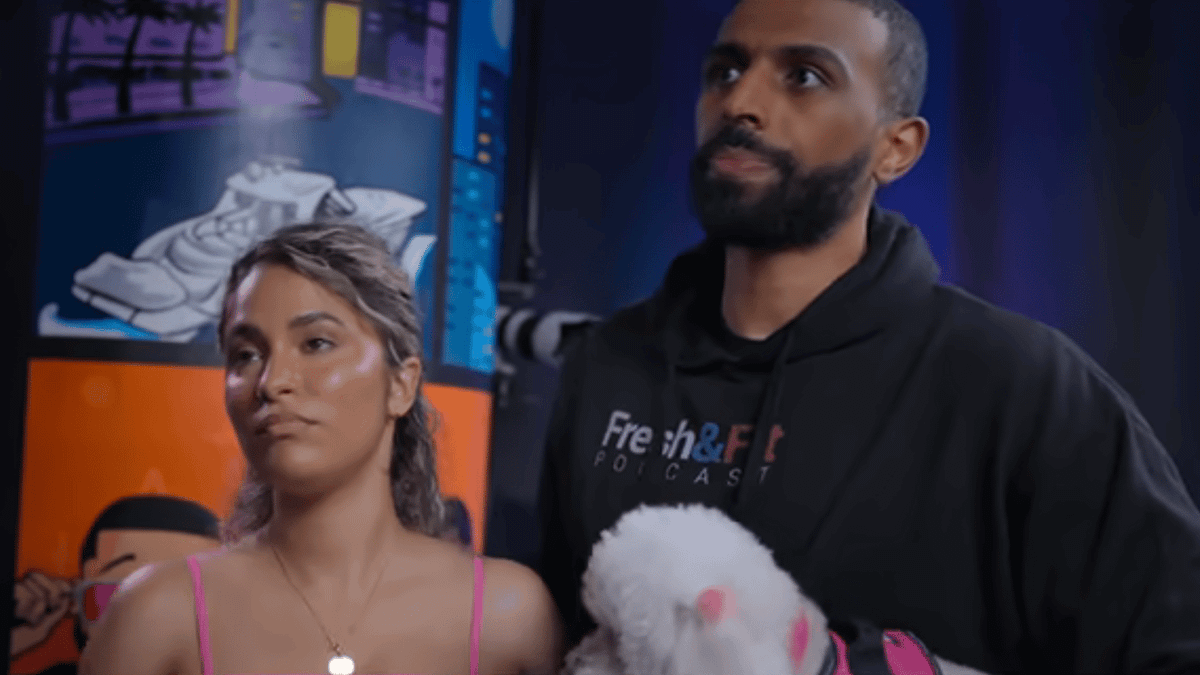
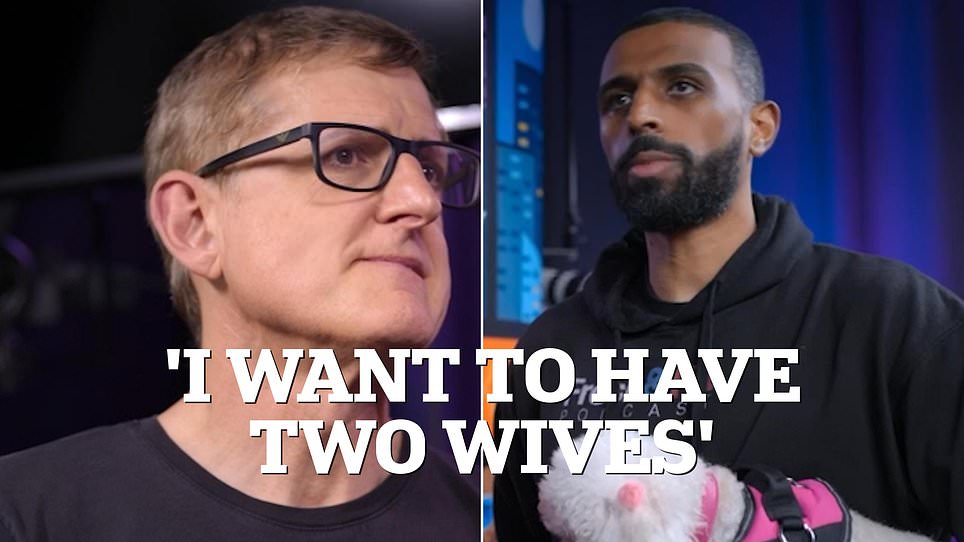
Adding to the drama, Myron Gaines recently revealed that his girlfriend ended their relationship after he openly bragged about his plan to have two wives. This admission, which was featured in the documentary, has intensified public scrutiny of Gaines and his lifestyle choices.
The revelation sparked widespread criticism and debate on social media, with many condemning Gaines’ views as outdated and disrespectful to women. Supporters, however, argue that his personal life is his own business and that the manosphere often faces unfair judgment.
Gaines claims that the documentary exaggerated this aspect of his life to paint him in a negative light. He insists that his relationship choices are consensual and part of his broader philosophy on masculinity and family structure. Nevertheless, the breakup has become a focal point in discussions about the manosphere’s impact on personal relationships and societal norms.
The Role of Media in Shaping Public Perception of the Manosphere
The controversy surrounding Myron Gaines and Louis Theroux’s documentary underscores the powerful role media plays in shaping public understanding of subcultures like the manosphere. Documentaries have the potential to inform and educate, but they also carry the risk of oversimplifying or sensationalizing complex issues.
Critics of the documentary argue that it reinforces stereotypes and fails to engage with the manosphere’s perspectives in a meaningful way. Supporters praise Theroux for bringing attention to a largely hidden and influential online movement, encouraging dialogue about masculinity, extremism, and the challenges faced by young men today.
For influencers like Gaines, media exposure is a double-edged sword—offering a platform to reach wider audiences but also inviting intense scrutiny and criticism. The debate over the documentary’s fairness highlights broader questions about journalistic ethics, representation, and the balance between storytelling and sensationalism.
Conclusion
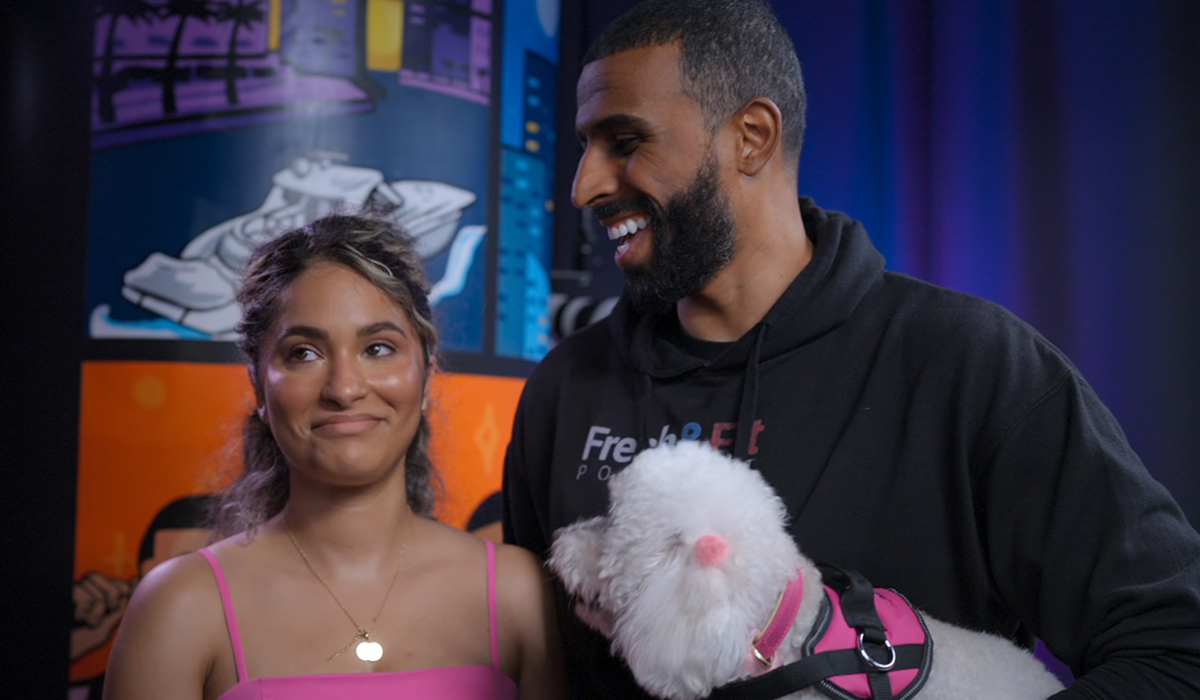
Myron Gaines’ accusations against Louis Theroux’s Netflix documentary reveal the complexities of portraying controversial figures and movements in the media. While Gaines claims “bad editing” and a “woke” bias distorted his image, the documentary has undeniably sparked important conversations about the manosphere and its influence on young men. As this debate continues, it remains crucial to approach such topics with nuance and openness.
If you want to stay informed about the latest developments in the manosphere and media coverage of cultural movements, be sure to follow our updates and join the conversation.