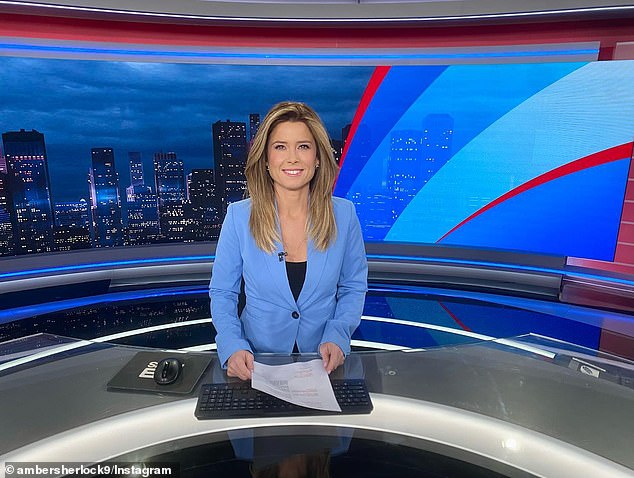
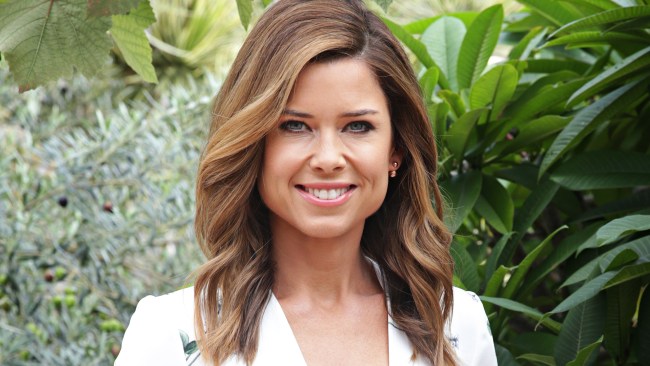
Axed Channel Nine Presenter Amber Sherlock Makes Bombshell Claim About Why She Was Fired – As Network Firmly Rejects Suggestion
Amber Sherlock Claims Age Was the Real Reason Behind Her Channel Nine Exit
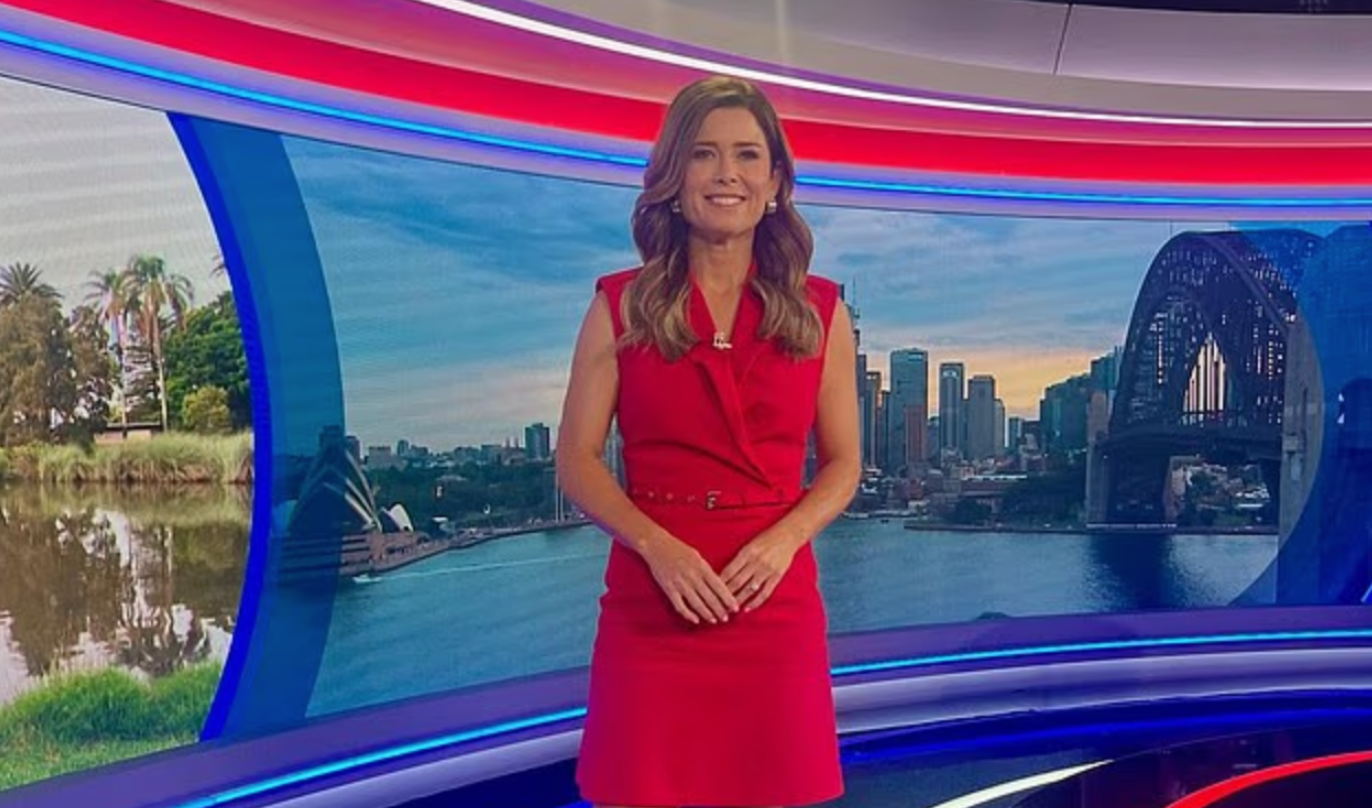
Amber Sherlock, a familiar face on Australian television and a long-standing presenter for Channel Nine, has recently spoken out with a bold assertion regarding her departure from the network. Just weeks before turning 50, Sherlock was unexpectedly let go in November, sparking speculation about the true reasons behind her exit.
In an interview on the Stellar podcast *Something To Talk About*, Sherlock revealed her belief that age discrimination played a significant role in Channel Nine’s decision to part ways with her. “I always joked that Channel Nine wouldn’t have a 50-year-old weather presenter. Who knew I was being prophetic?” she remarked, highlighting the unspoken age biases that exist within the television industry.
Sherlock expressed her disappointment, emphasizing that women in their 50s still have a wealth of experience and insight to offer. Despite progress in gender representation on Australian TV, she noted the scarcity of women over 50 in prominent, camera-facing roles. “It’s unfortunate,” she said, “I think the people that have gone on and are stepping into the role I was doing are 10 to 15 years younger than me.”
Her comments have reignited conversations about ageism in media, particularly for women, who often face more significant challenges maintaining on-screen roles as they age.
Channel Nine Denies Age Discrimination, Cites Restructuring as Cause

In response to Amber Sherlock’s claims, a spokesperson for Channel Nine firmly rejected the suggestion that age was a factor in her dismissal. Instead, the network explained that Sherlock’s departure was part of a broader restructuring of its operations.
The spokesperson told Yahoo Lifestyle that the decision was not influenced by Sherlock’s age or performance but was a strategic move aimed at streamlining the network’s news and weather divisions. “Amber’s exit was due to operational changes and not related to age,” the statement clarified.
This official response underscores the ongoing tension between individual experiences and corporate explanations in high-profile employment changes. While restructuring is a common reason cited for layoffs, critics argue that it can sometimes mask deeper issues such as ageism or gender bias.
The Broader Issue: Ageism and Gender Bias in Australian Television
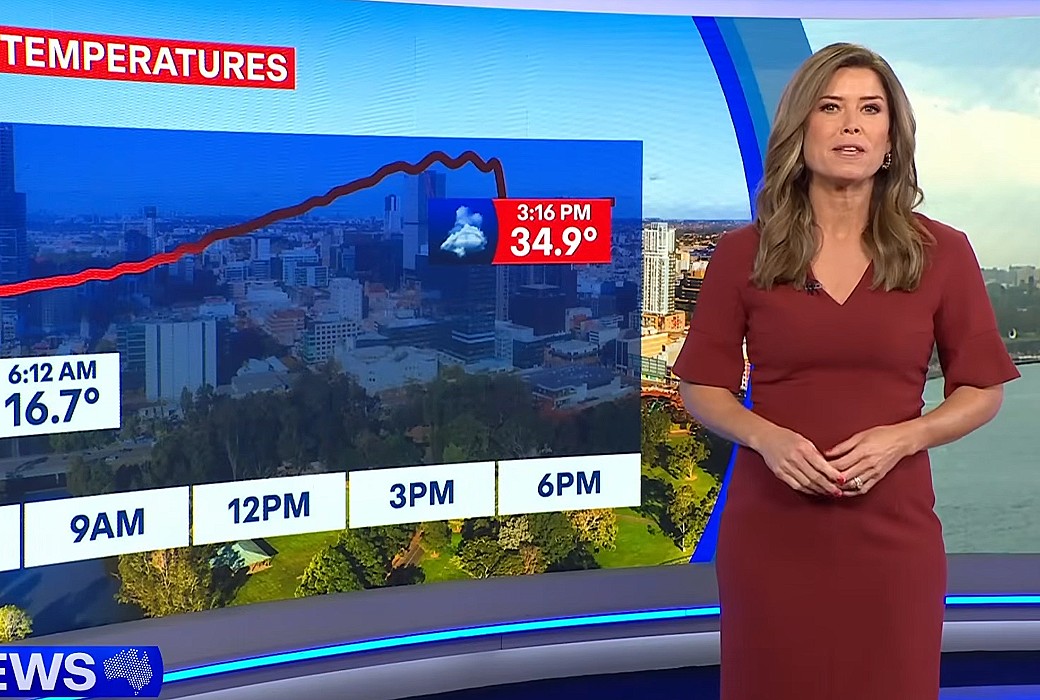
Amber Sherlock’s case is not isolated. The Australian television industry, much like global media, has long grappled with ageism, particularly affecting women. Female presenters often face pressure to maintain a youthful appearance and are more likely to be replaced by younger talent as they age.
Industry experts highlight that this trend not only limits career longevity for women but also deprives audiences of diverse perspectives and experienced voices. Women over 50 bring a unique depth of knowledge and professionalism that can enrich programming and resonate with a broad demographic.
Sherlock’s outspoken stance has brought renewed attention to these systemic issues. Advocates for gender equality in media argue that networks should prioritize inclusivity and challenge outdated norms that sideline mature women.
What This Means for Future Female Presenters
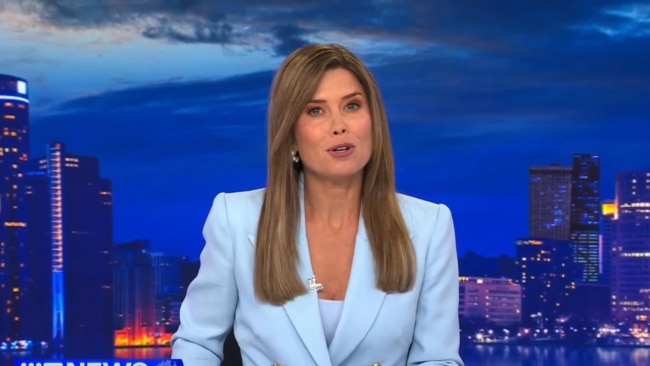
The controversy surrounding Amber Sherlock’s departure raises important questions about the future for women in Australian television. Will networks continue to favor younger presenters, or will there be a shift toward valuing experience and diversity?
For aspiring and current female presenters, Sherlock’s experience serves as both a cautionary tale and a call to action. It highlights the need for industry-wide reforms that protect against age discrimination and promote equitable opportunities regardless of age.
Moreover, viewers and media consumers are increasingly vocal about demanding representation that reflects real-world diversity, including age diversity. This public pressure could influence networks to reconsider their hiring and retention practices.
Conclusion
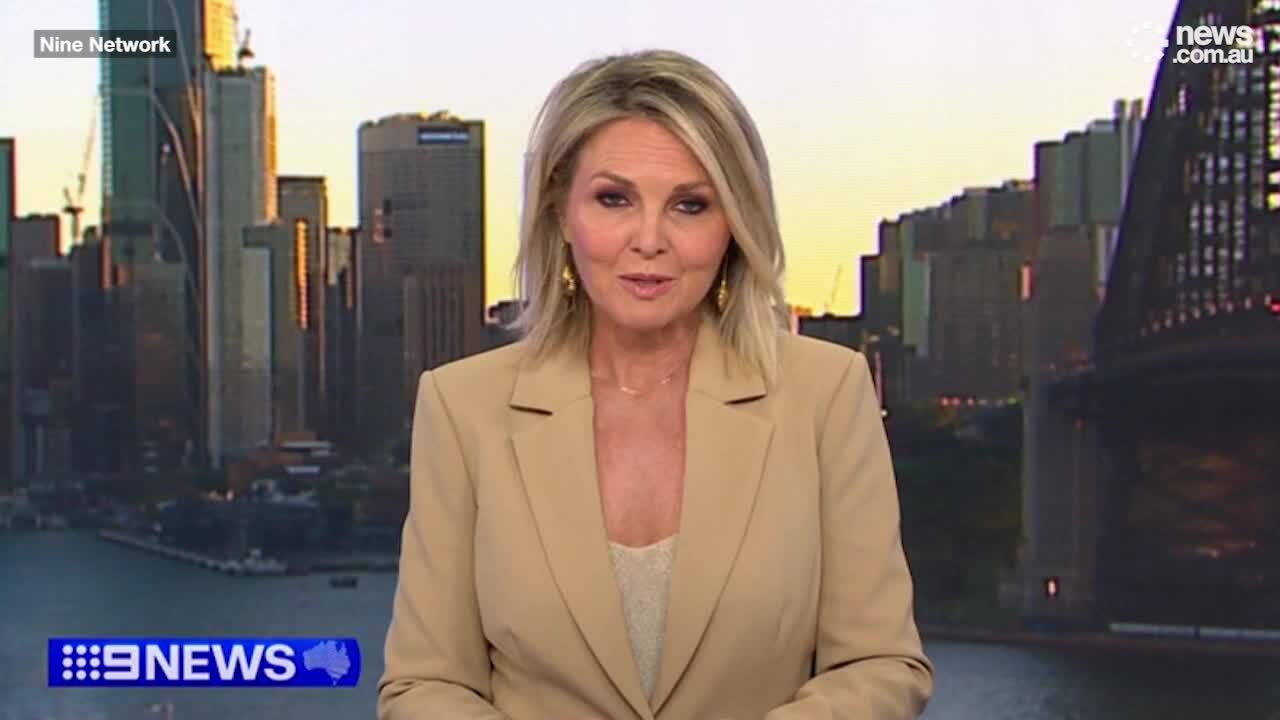
Amber Sherlock’s bombshell claim that age discrimination led to her firing from Channel Nine has sparked a vital conversation about the challenges women face in the television industry as they age. While Channel Nine denies these allegations, attributing her exit to restructuring, the broader issue of ageism remains a significant concern. Women over 50 continue to be underrepresented in on-screen roles, despite their valuable contributions.
If you’re passionate about fair representation and want to stay informed on media industry developments, be sure to follow our updates and share your thoughts on this important topic. Together, we can advocate for a more inclusive and diverse television landscape.