BAFTA Apologises ‘Unreservedly’ After Tourette’s Sufferer Shouted Racial Slur During Live Awards Show as Review Finds ‘Weaknesses’ in Planning
BAFTA Issues Apology Following Racial Slur Incident at Live Awards Show

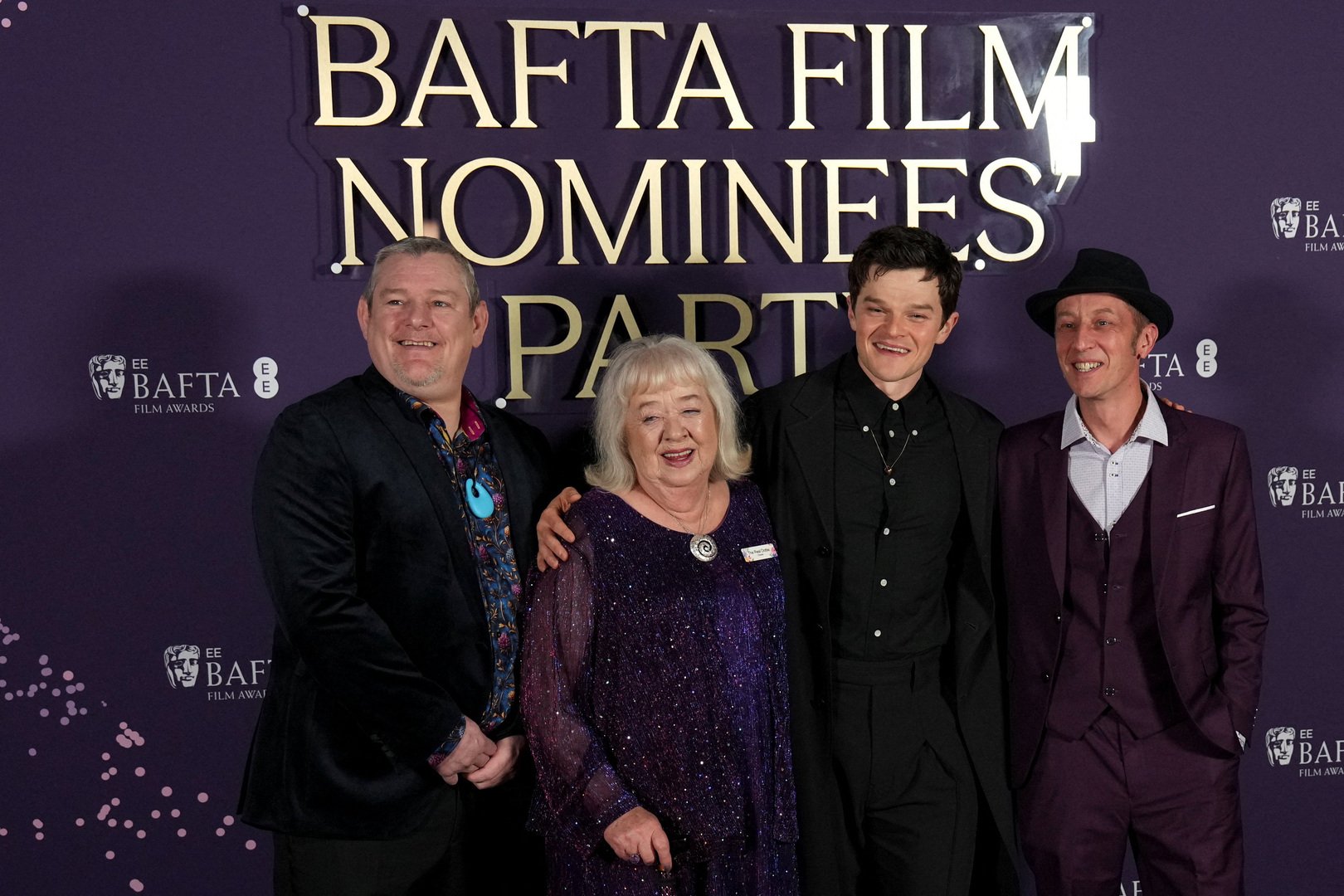
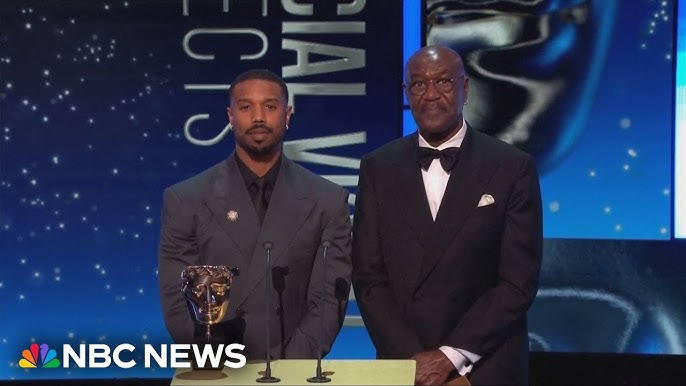
The British Academy of Film and Television Arts (BAFTA) has formally apologised after a highly sensitive incident occurred during its recent live awards ceremony. The event was overshadowed when John Davidson, a man living with Tourette’s syndrome, involuntarily shouted a racial slur on stage. This unexpected outburst took place while prominent Black actors Michael B. Jordan and Delroy Lindo were presenting an award for special visual effects. The incident sparked widespread media attention and public discussion about neurological conditions and live event management.
Tourette’s syndrome is a neurological disorder characterized by involuntary tics and vocalizations, which can sometimes include inappropriate or offensive language. Mr Davidson’s outburst was not intentional but rather a manifestation of his condition. Despite this, the moment was broadcast live, causing distress among viewers and attendees alike. Recognising the gravity of the situation, BAFTA’s board of trustees promptly issued an unreserved apology to both the Black community and individuals with disabilities, acknowledging the unfair judgement that the Tourette’s community faced as a result.
Independent Review Reveals Planning Weaknesses at BAFTA Awards

In response to the incident, BAFTA commissioned an independent review conducted by consultancy firm RISE Associates. The review aimed to investigate the circumstances surrounding the event and identify areas where BAFTA’s planning and risk management could be improved. The report highlighted several structural weaknesses in the organisation’s preparation for the live broadcast, including insufficient protocols for managing unexpected disruptions and a lack of comprehensive support for individuals with disabilities involved in the event.
The findings prompted BAFTA to commit to a series of changes designed to enhance the safety, inclusivity, and professionalism of future ceremonies. These measures include improved training for staff and presenters on handling sensitive situations, better communication strategies during live broadcasts, and the implementation of more robust contingency plans. BAFTA emphasised its dedication to learning from this experience to ensure that all participants and audiences feel respected and supported.
Understanding Tourette’s Syndrome and Its Impact on Live Events

Tourette’s syndrome affects approximately 1 in 100 people and is characterized by involuntary movements and vocalizations known as tics. While many individuals with Tourette’s experience mild symptoms, some may have more severe vocal tics that include the utterance of socially inappropriate or offensive words, a phenomenon called coprolalia. It is important to note that coprolalia occurs in only a minority of cases but can be highly distressing for those affected.
Live events, especially those broadcast to large audiences, present unique challenges when accommodating individuals with neurological conditions like Tourette’s. The unpredictable nature of tics means that organisers must be prepared to respond sensitively and swiftly to any incidents. BAFTA’s recent experience has underscored the need for greater awareness and proactive measures to support inclusivity while maintaining the integrity of live broadcasts.
Conclusion

BAFTA’s unreserved apology following the Tourette’s-related racial slur incident highlights the complexities of managing live events and the importance of inclusivity and sensitivity. The independent review’s findings have paved the way for meaningful improvements in event planning and support for individuals with disabilities. As BAFTA moves forward, it is crucial for organisations hosting live shows to prioritise comprehensive preparation and understanding of neurological conditions. If you want to stay informed about the latest developments in live event management and inclusivity, subscribe to our newsletter for expert insights and updates.