Katie Price Calls for ‘Disgusting’ Comedian to Be Cancelled After Sick Joke About Son Harvey
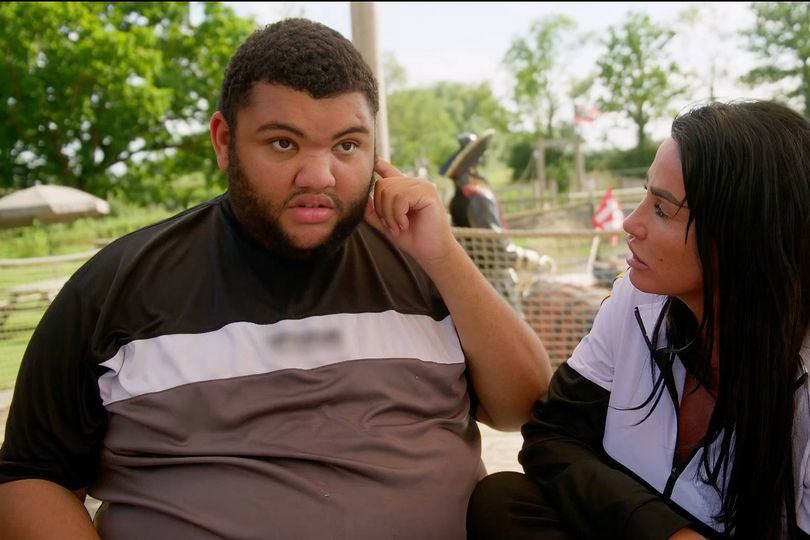
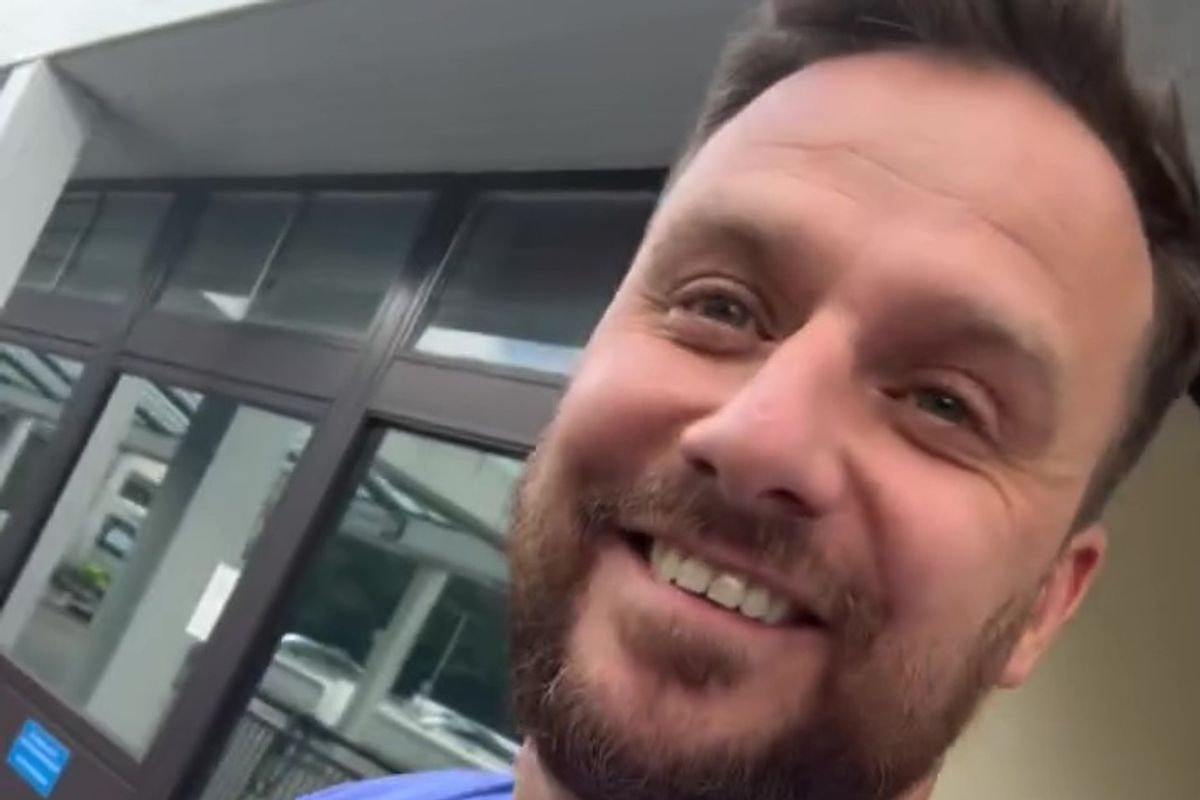
Katie Price, a well-known British television personality and mother, has once again taken a strong stand against insensitive and offensive humor directed at her family. Recently, she publicly condemned comedian Daniel O’Reilly, popularly known as Dapper Laughs, after he made a cruel joke about her son Harvey, who lives with Prader-Willi syndrome, a rare genetic disorder. Katie’s passionate response has sparked widespread discussion about the boundaries of comedy and the importance of respecting people with disabilities.
Katie Price Demands Cancellation of Comedian Over Offensive Joke About Son Harvey
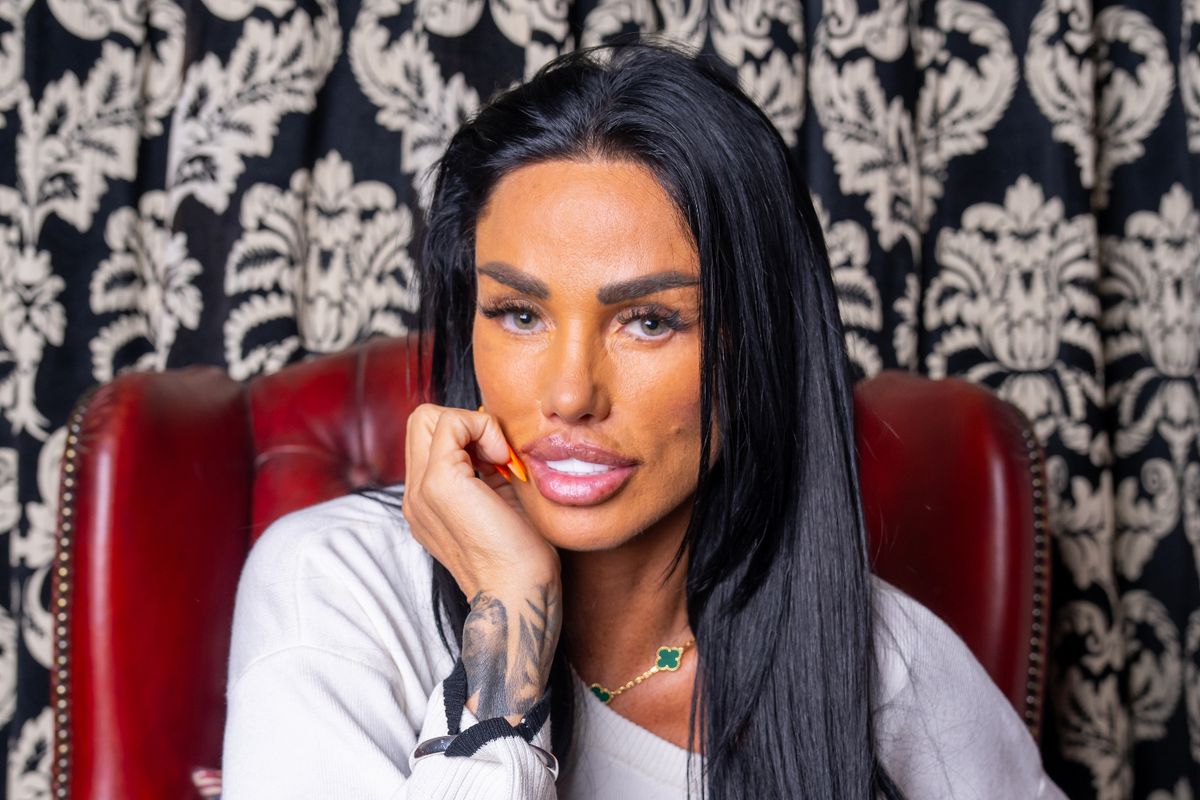
Katie Price’s protective nature over her children is well documented, and her reaction to Daniel O’Reilly’s joke was swift and uncompromising. Taking to Instagram, she expressed her outrage at the comedian’s use of her son Harvey’s disability as the subject of a joke. Harvey, Katie’s eldest son, has Prader-Willi syndrome, which affects his physical and intellectual development.
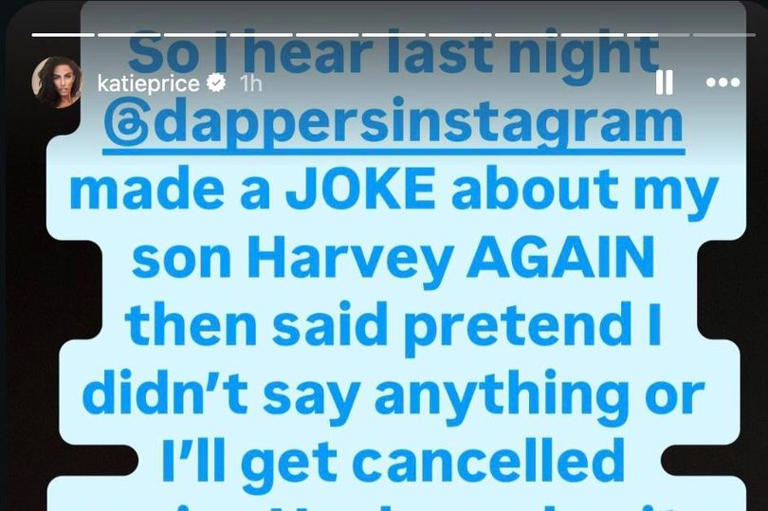
In her Instagram post, Katie wrote, “So I hear last night @dappersinstagram made a joke about my son Harvey AGAIN then said ‘pretend I didn’t say anything or I’ll get cancelled again.’” She highlighted the irony of O’Reilly’s charitable work with children, emphasizing that despite his own kids, he chose to mock a child with complex needs who cannot defend himself. Katie called the comedian “a disgusting human being” and urged her followers to report his account for bullying Harvey.
This incident is not isolated. Katie Price has a history of standing up against derogatory comments aimed at her son. In 2010, she publicly criticized comedian Frankie Boyle for making a similarly offensive joke about Harvey when he was just eight years old. Katie’s ongoing battle highlights the challenges faced by families of children with disabilities in confronting public discrimination and cruelty.
The Broader Issue of Disability Discrimination in Comedy
Katie Price’s confrontation with Daniel O’Reilly and her previous dispute with Frankie Boyle underscore a larger debate about the limits of comedy and the treatment of people with disabilities in the media. While comedy often pushes boundaries, there is a fine line between humor and harm, especially when it targets vulnerable individuals.
In the case of Frankie Boyle’s joke, Channel 4 faced criticism for rebroadcasting the offensive material. Katie accused the broadcaster of “embracing and exploiting discrimination,” arguing that such content perpetuates harmful stereotypes and normalizes ridicule of people with disabilities. Channel 4 defended its decision, stating that their comedy programming is carefully reviewed and scheduled with appropriate warnings, emphasizing the importance of allowing space for provocative comedy on terrestrial television.
However, Katie Price’s response highlighted the double standard in media treatment, pointing out that jokes about disability are often tolerated in ways that jokes about race or sexual orientation would not be. She called on the media and regulatory bodies like Ofcom to take stronger action against discriminatory content.
Support for Katie’s stance also came from disability advocacy groups. Esther Foreman, campaigns manager at Mencap, described the targeting of a child with a disability for comedic purposes as “disgusting.” This support reflects a growing awareness and rejection of humor that marginalizes people with disabilities.
Why Katie Price’s Call to Cancel Daniel O’Reilly Matters
Katie Price’s demand to cancel Daniel O’Reilly is more than a personal reaction; it is a call for accountability and respect. In an era where social media amplifies voices and actions, public figures like Katie have the platform to challenge harmful behavior and influence cultural attitudes.
By calling out O’Reilly’s joke and urging his cancellation, Katie is advocating for a society that values empathy and protects those who are vulnerable. Her activism encourages fans and followers to recognize the impact of words and to stand against bullying and discrimination in all forms.
Moreover, this situation sheds light on the responsibility of comedians and entertainers to consider the consequences of their material. While humor can be a powerful tool for social commentary, it should not come at the expense of human dignity.
Conclusion

Katie Price’s fierce defense of her son Harvey against Daniel O’Reilly’s “disgusting” joke highlights the urgent need to address discrimination against people with disabilities in comedy and media. Her call to cancel the comedian serves as a reminder that respect and kindness must always come first, especially when it involves vulnerable individuals who cannot defend themselves.
If you believe in promoting empathy and standing up against offensive humor, join the conversation and support campaigns that protect the rights and dignity of people with disabilities. Together, we can foster a more inclusive and respectful society.