David Haye Releases Evidence Accusing ITV of Deliberately Damaging His Reputation on I’m A Celebrity
David Haye, the former world heavyweight boxing champion, has recently come forward with serious accusations against ITV, claiming that the broadcaster intentionally damaged his reputation during his time on the popular reality show I’m A Celebrity… Get Me Out of Here! In a detailed statement supported by evidence, Haye alleges that ITV engaged in malicious editing practices designed to portray him in a negative light. This revelation has sparked widespread discussion about the ethics of reality TV editing and the responsibility of broadcasters to their participants.
David Haye Accuses ITV of Malicious Editing on I’m A Celebrity
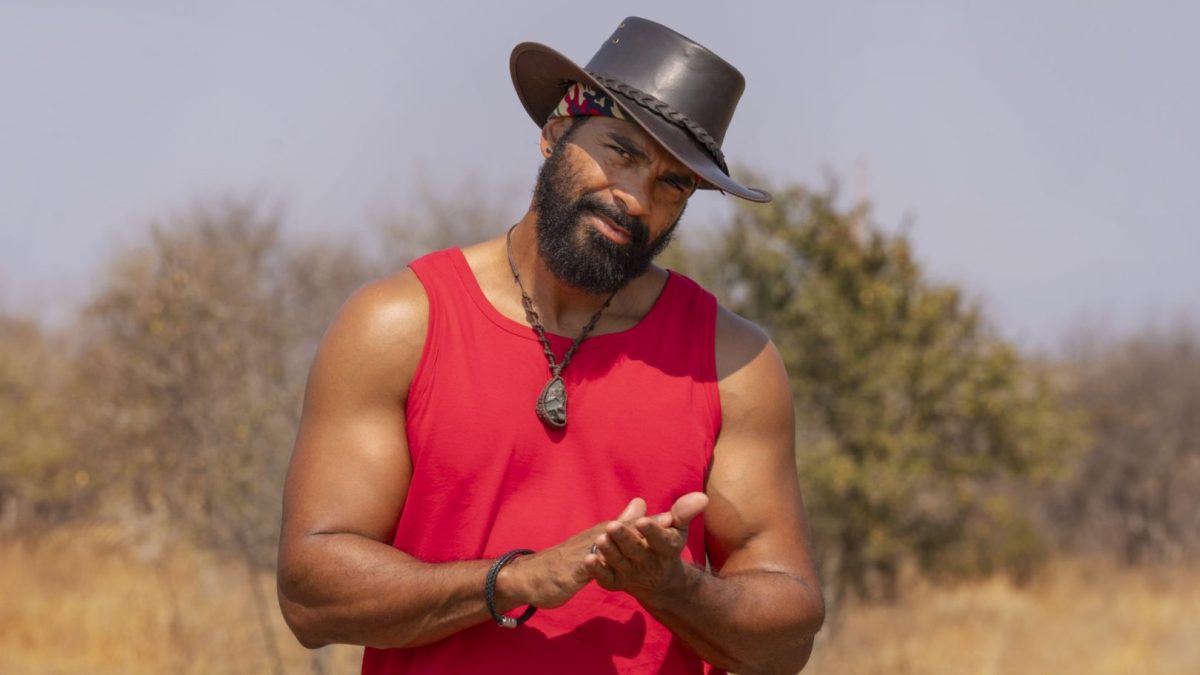
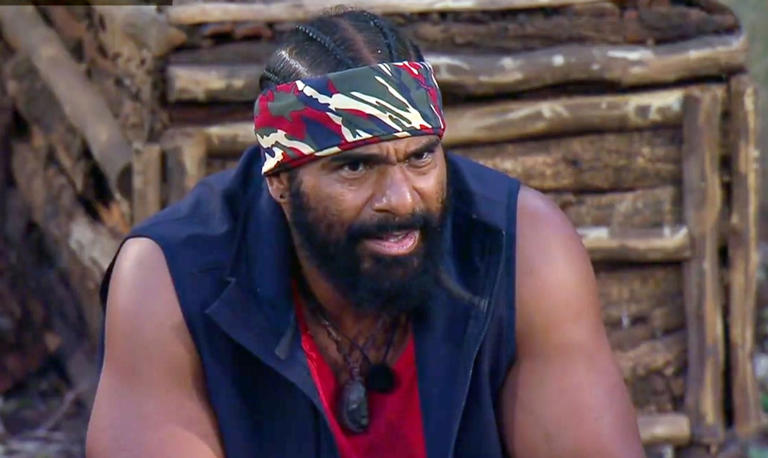
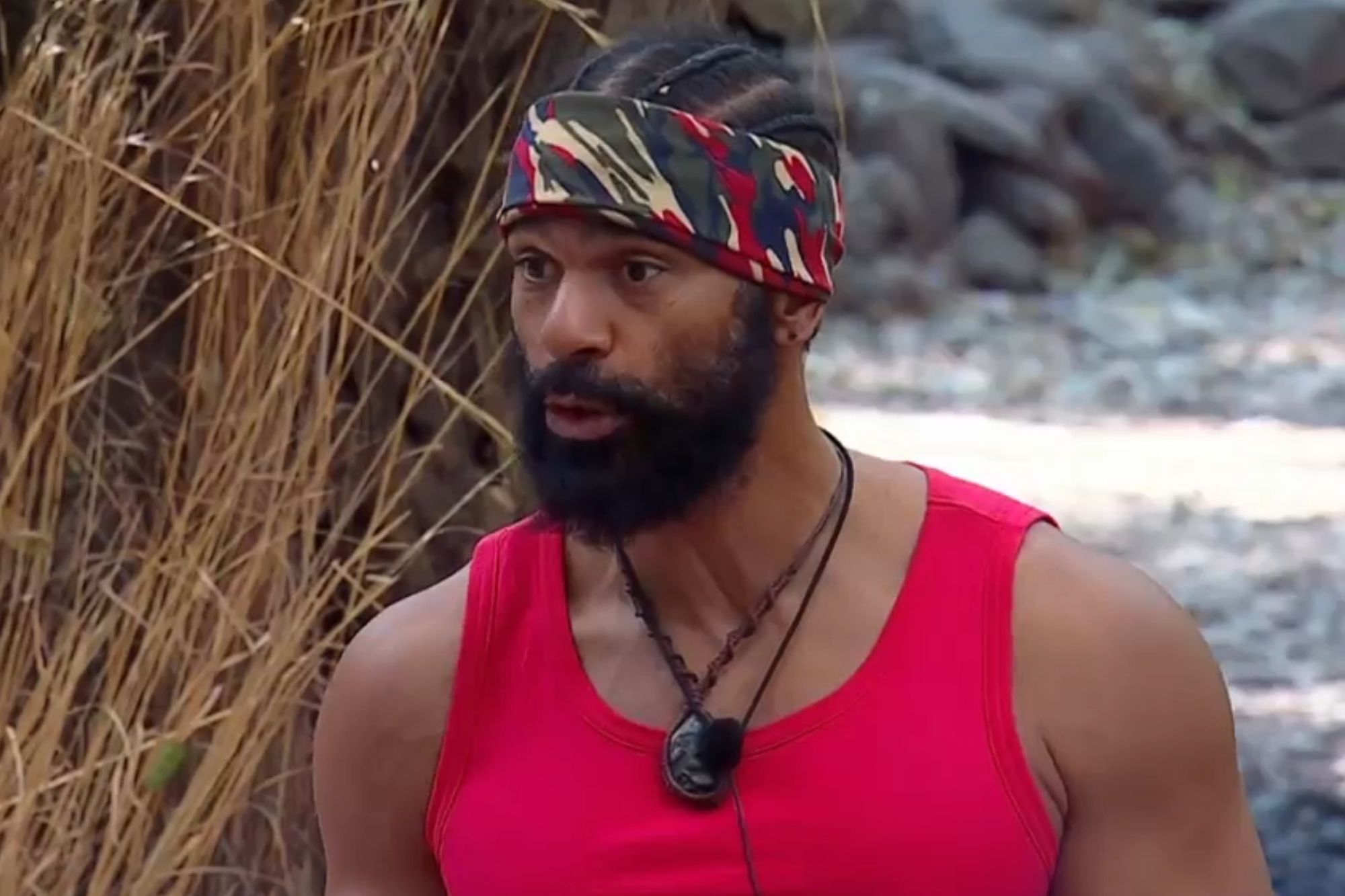
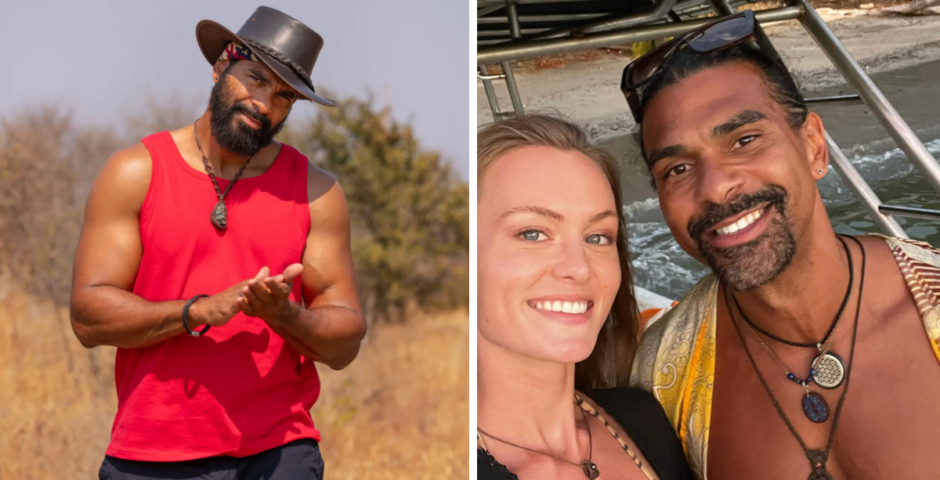
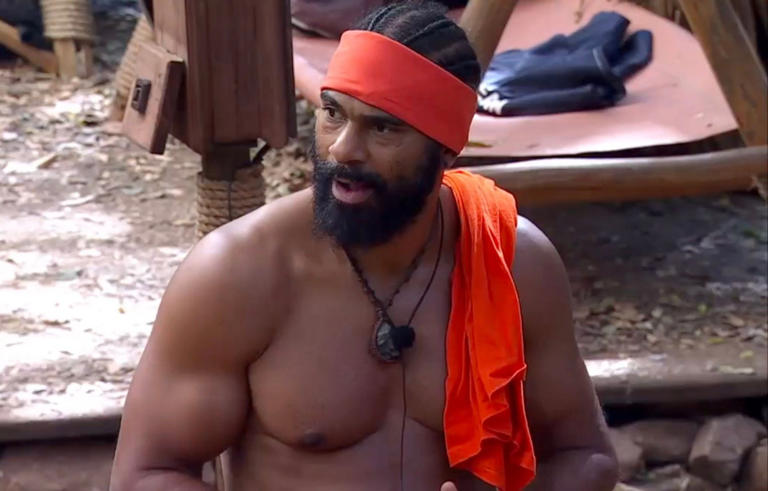
During his stint on I’m A Celebrity, David Haye was a fan favorite, admired for his candid personality and competitive spirit. However, after the show aired, Haye noticed a stark contrast between how he was portrayed on screen and his actual behavior in the jungle. According to Haye, ITV selectively edited footage to create a misleading narrative that painted him as aggressive and confrontational.
In his public statement, Haye provided examples of clips that were taken out of context or spliced together to exaggerate conflicts with other contestants. He claims that these edits were not accidental but a deliberate attempt by ITV producers to generate drama and boost ratings at the expense of his personal reputation. “They even edited footage maliciously to make me look bad,” Haye said, emphasizing the emotional toll this misrepresentation has taken on him.
The former boxer’s accusations highlight a growing concern among reality TV participants about how editing can distort reality and unfairly influence public perception. ITV has yet to issue a formal response to Haye’s claims, but the controversy has ignited debates about transparency and fairness in reality television production.
The Impact of ITV’s Editing on David Haye’s Public Image
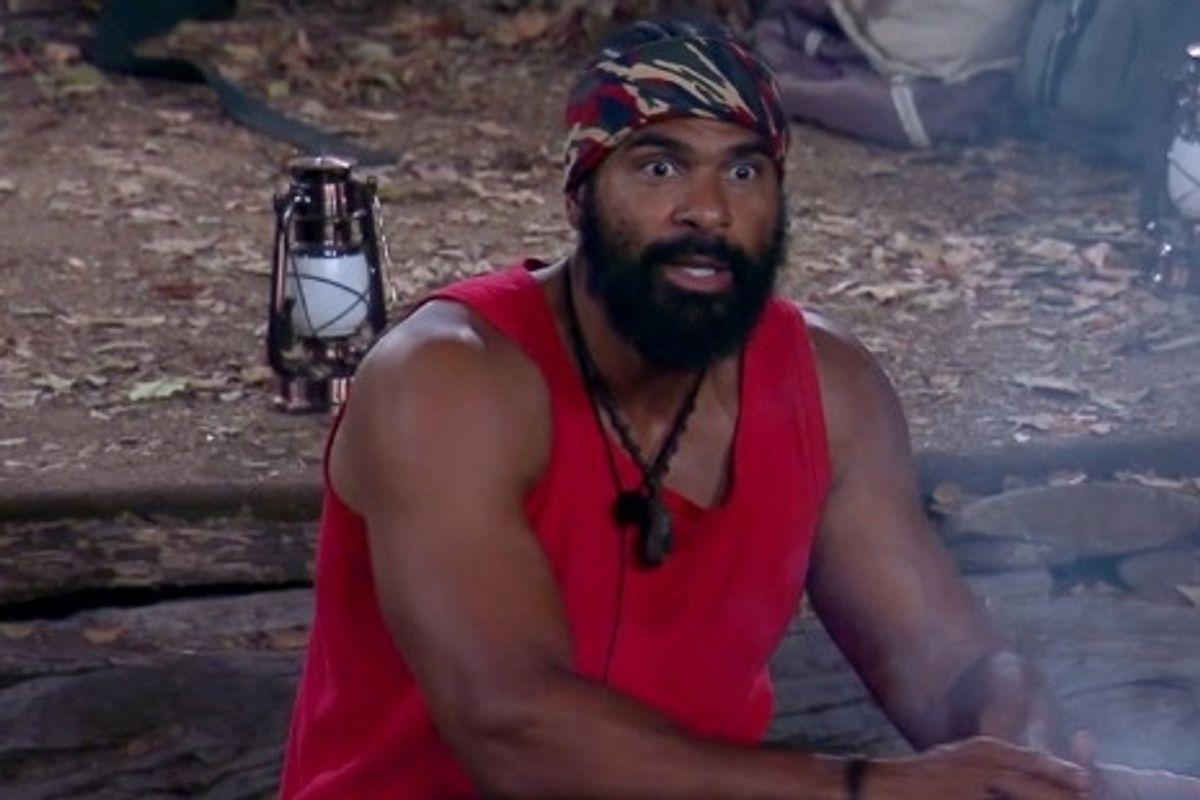
The consequences of ITV’s alleged editing tactics have been significant for David Haye. As a public figure, his image is crucial not only for his personal brand but also for his post-boxing career opportunities, including media appearances and endorsements. The negative portrayal on I’m A Celebrity led to a wave of criticism from viewers who believed the edited version of events rather than Haye’s true character.
Haye’s experience sheds light on the broader issue of how reality TV editing can affect participants’ mental health and professional lives. Being misrepresented on a national platform can lead to unwarranted public backlash, impacting self-esteem and future prospects. Haye’s decision to release evidence and speak out publicly is a courageous step toward holding broadcasters accountable and advocating for fair treatment of reality TV stars.
Moreover, this incident raises questions about the ethical responsibilities of networks like ITV in balancing entertainment value with truthful representation. While drama and conflict often drive viewer engagement, the manipulation of footage to the detriment of participants crosses ethical boundaries that need addressing.
What This Means for Future Reality TV Participants
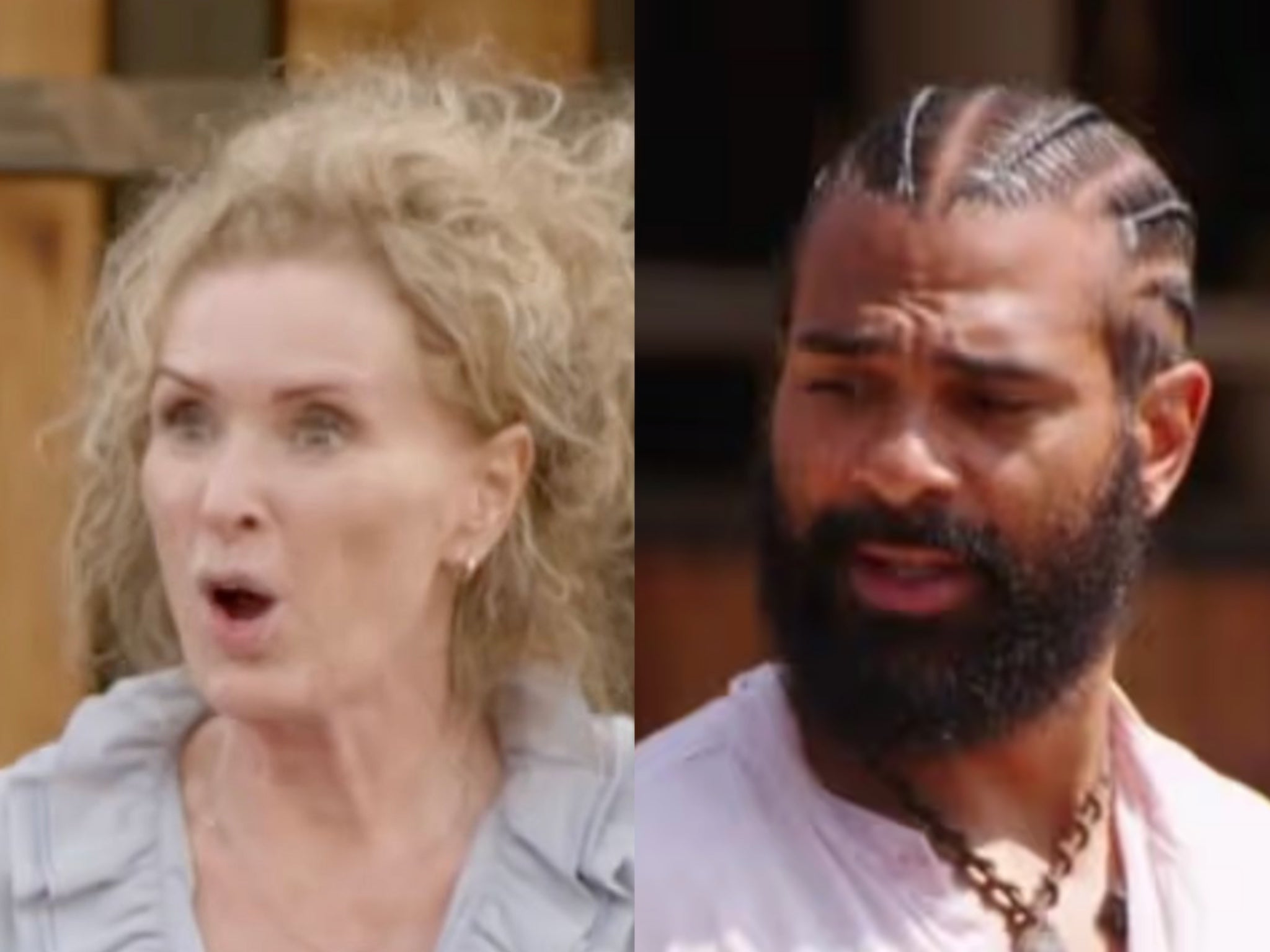
David Haye’s revelations serve as a cautionary tale for anyone considering participation in reality television. Contestants should be aware that their portrayal may not always reflect their true selves, as editing can significantly alter the narrative. It also underscores the importance of contracts and legal protections that safeguard participants from defamatory or malicious editing.
Producers and broadcasters may face increased scrutiny and pressure to implement more transparent editing practices and provide participants with clearer guidelines about how footage will be used. This controversy could potentially lead to industry-wide reforms aimed at protecting the integrity and dignity of reality TV contestants.
For viewers, Haye’s story is a reminder to approach reality TV content with a critical eye, recognizing that what is shown on screen is often a carefully constructed version of reality designed to entertain rather than inform.
Conclusion
David Haye’s bold move to expose ITV’s alleged deliberate damage to his reputation on I’m A Celebrity has opened an important conversation about the ethics of reality TV editing. His evidence of malicious footage manipulation not only challenges the broadcaster’s practices but also highlights the need for greater transparency and fairness in how reality television is produced. If you’re interested in the behind-the-scenes realities of your favorite shows or want to learn more about the impact of media editing on public perception, stay tuned for further updates. Don’t forget to share your thoughts and experiences with reality TV portrayals in the comments below!