Justin Bieber Dragged for ‘Lazy’ Coachella Set as Fans Slam $10M Gig Featuring YouTube Clips: ‘Worst Headliner at Coachella in History’
Justin Bieber’s Controversial $10 Million Coachella Performance Sparks Backlash
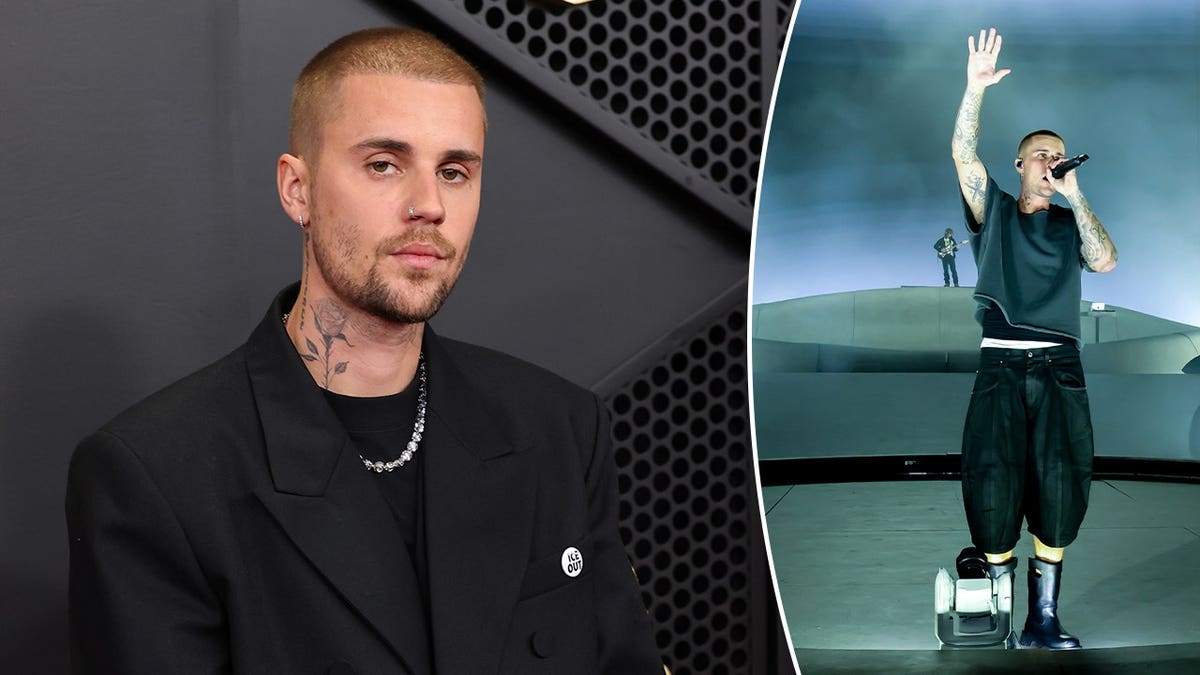
Justin Bieber’s much-anticipated return to Coachella in 2026 quickly turned into one of the festival’s most debated moments. The pop superstar, who reportedly earned a staggering $10 million for his headline slot, delivered a stripped-down and unconventional set that left many fans bewildered and frustrated. Instead of a high-energy, fully live show packed with his chart-topping hits, Bieber opted for a minimalist approach that heavily incorporated YouTube clips of his own music, sparking widespread criticism and accusations of laziness.
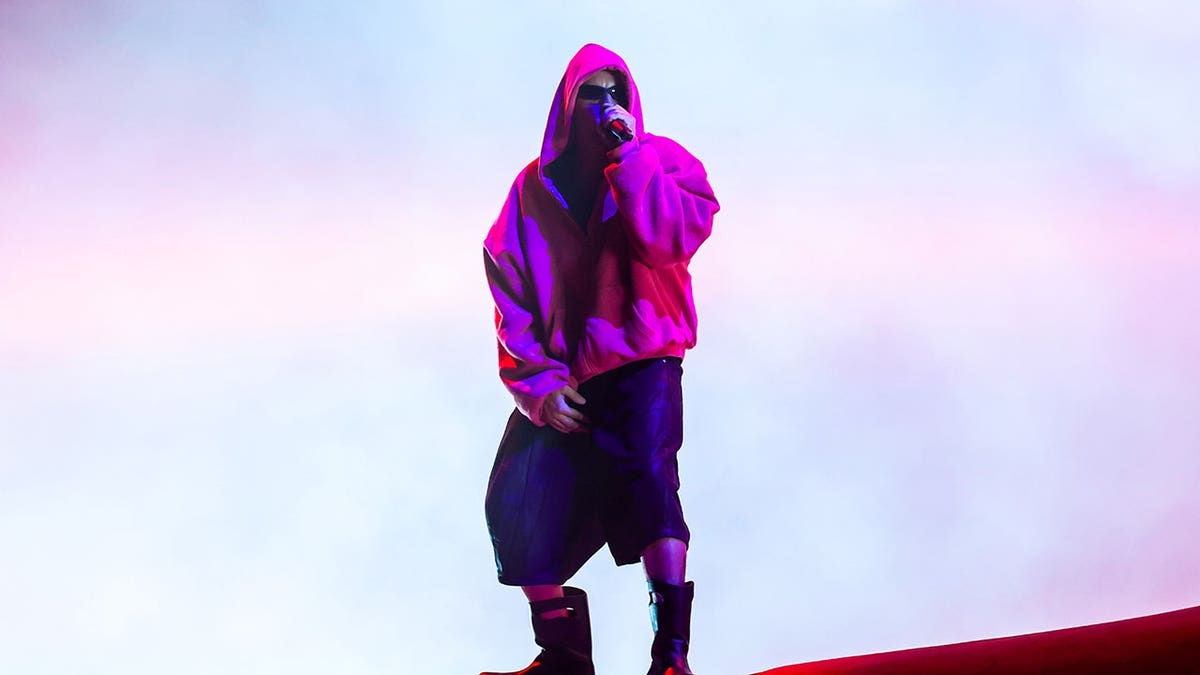
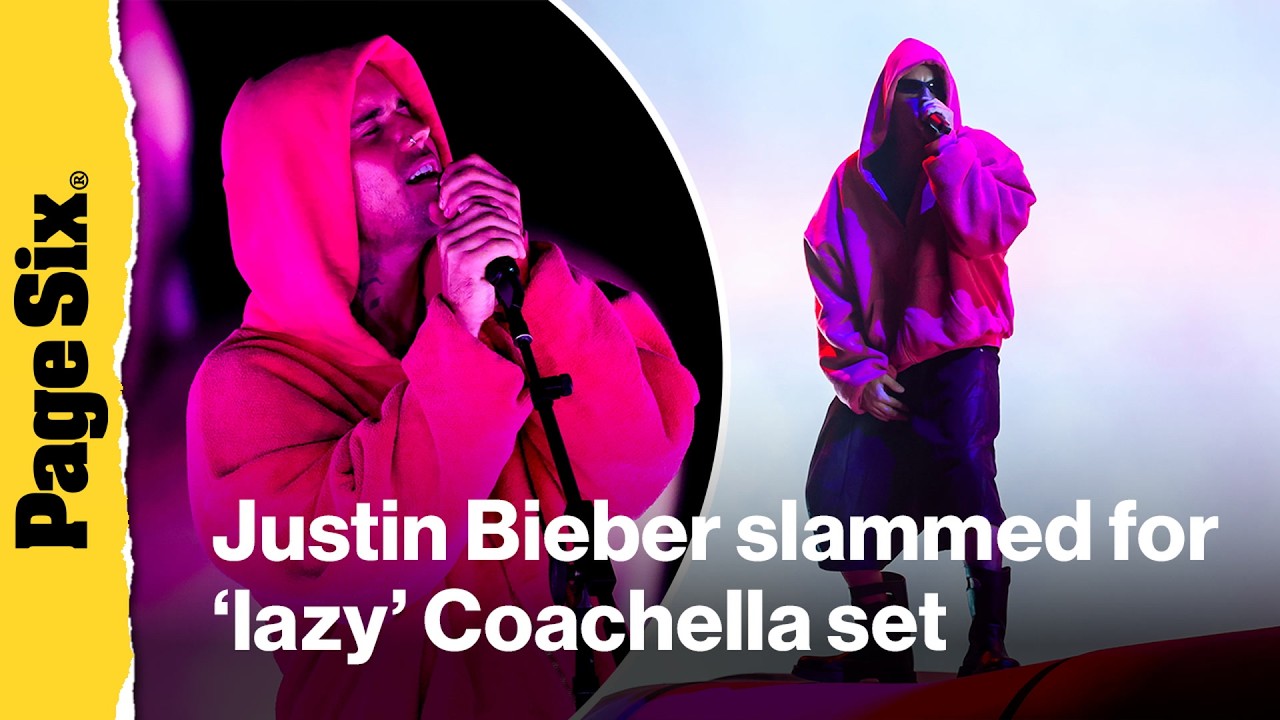
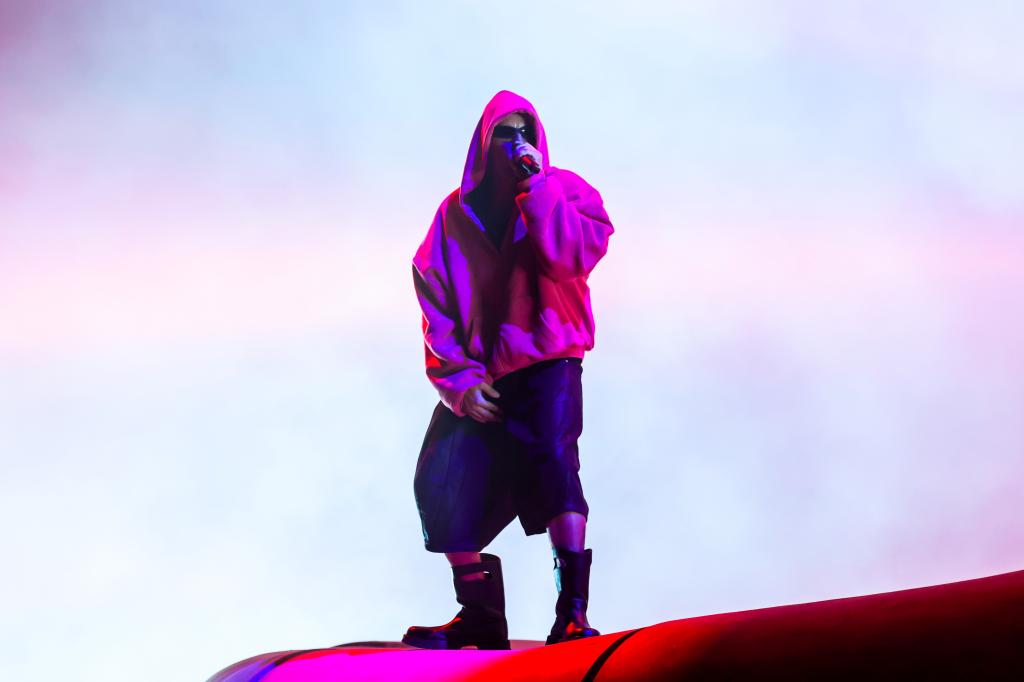
The 32-year-old singer appeared on stage dressed casually in a hoodie, shorts, and sunglasses, sitting on a stool with a laptop in front of him. Rather than performing a traditional live concert, Bieber scrolled through YouTube videos and streamed segments of his songs directly from the platform. This unexpected format was met with confusion and disappointment by viewers both at the festival and watching the livestream.
Fans Slam Bieber’s Use of YouTube Clips, Labeling the Set ‘Lazy’ and ‘Scam’
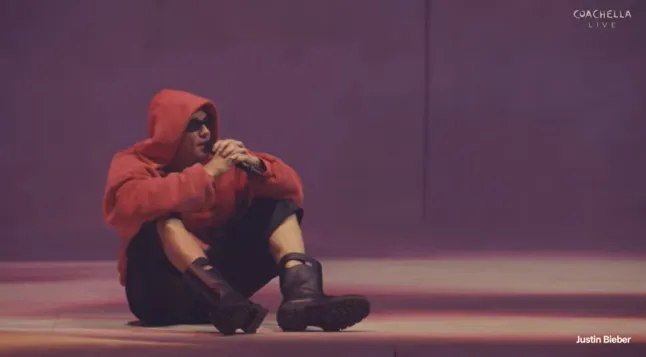
Social media quickly exploded with negative reactions as fans expressed their dismay over what they perceived as a lackluster and uninspired performance. Many accused Bieber of “scamming” the festival and the audience out of a $10 million payday by delivering a show that felt more like a casual listening session than a headline act.
One fan tweeted, “Not Justin Bieber scammed Coachella out of $10 million to play songs off of YouTube…” Another harshly commented, “Justin Bieber giving us one of the laziest performances of all time.” The criticism intensified as the set progressed, with some viewers declaring Bieber the “worst headliner at Coachella in history” due to his reliance on a laptop and pre-recorded clips instead of a dynamic live show.
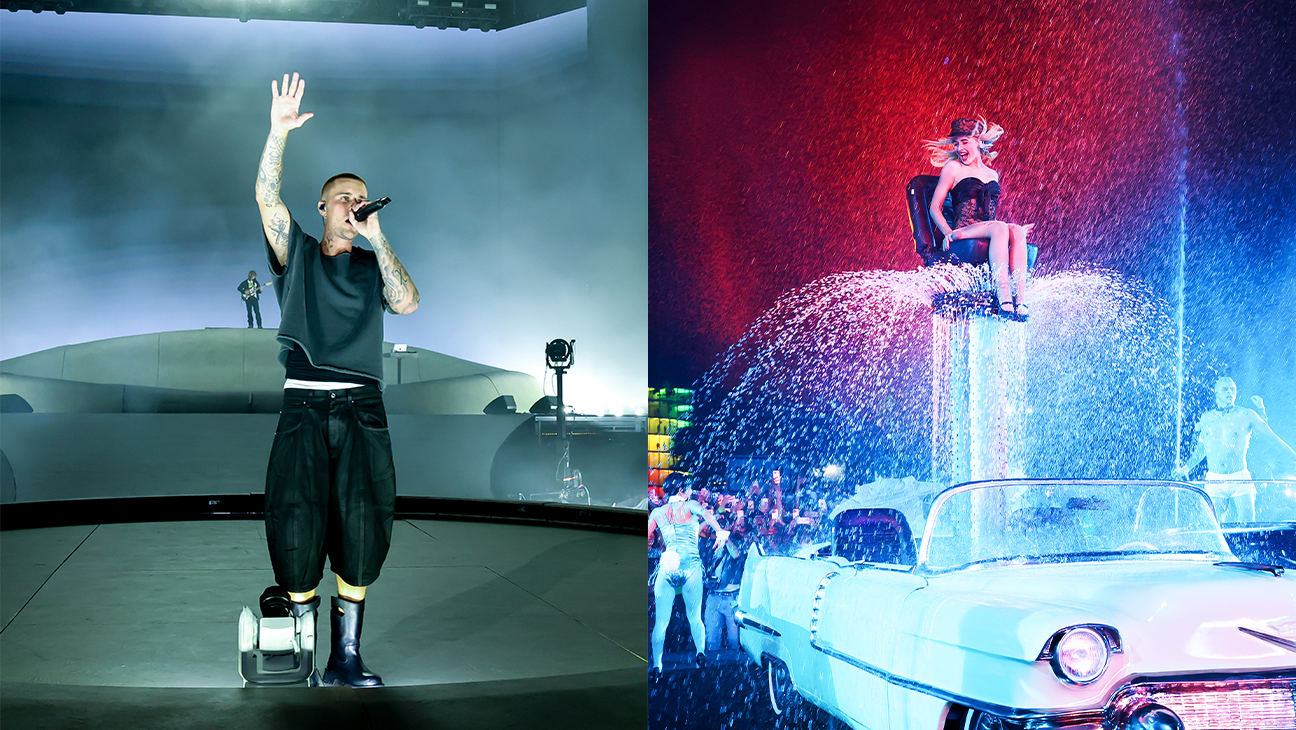
The backlash also included comparisons to other artists at the festival. Sabrina Carpenter, who opened Coachella with a polished, high-production performance featuring elaborate staging and surprise guest appearances, was frequently mentioned as a stark contrast to Bieber’s low-key set. One commenter remarked, “If Sabrina Carpenter did what Justin Bieber is doing right now, her career would be over.”
Mixed Reactions: Some Fans Defend Bieber’s Experimental Approach
Despite the overwhelming criticism, not all fans condemned Bieber’s performance. A segment of his audience praised the unconventional set, interpreting it as a creative nod to his early days as a YouTube sensation. These supporters argued that incorporating YouTube clips was a clever way to pay homage to the platform that helped launch his career.
One user described the performance as “a little iconic,” while another called Bieber a “mastermind” for embracing an improvised, interactive format. Bieber himself encouraged fan participation by asking viewers to submit song requests in real time via the livestream comments, then pulling from those suggestions to shape the setlist on the fly.
This interactive element added a unique dimension to the show, though it did little to sway the majority opinion that the overall experience was underwhelming compared to typical Coachella headliners.
What This Means for Future Festival Headliners and Live Performances
Justin Bieber’s controversial Coachella set has ignited a broader conversation about the expectations placed on headline performers at major music festivals. Fans and critics alike are debating what constitutes a “live” performance in an era where digital content and streaming services dominate music consumption.
While some artists are pushing the boundaries with innovative production and multimedia integration, Bieber’s approach was seen by many as a step backward—more passive and less engaging than what audiences have come to expect from a $10 million headline act.
This incident raises important questions about the balance between artistic experimentation and audience satisfaction. Can future headliners afford to take similar risks, or will fans demand more traditional, high-energy performances? Only time will tell how this moment will influence the evolving landscape of live music festivals.
Lessons for Artists and Festival Organizers
For artists, Bieber’s Coachella experience serves as a cautionary tale about managing fan expectations and the risks of deviating too far from established performance norms. While innovation is vital, it must be balanced with delivering a compelling and memorable live experience.
Festival organizers may also need to reconsider how they vet and prepare headline acts to ensure that performances meet the high standards expected by attendees and viewers worldwide. Transparency about the nature of a set—whether it includes pre-recorded elements or interactive components—could help mitigate backlash and foster a more positive reception.
Conclusion
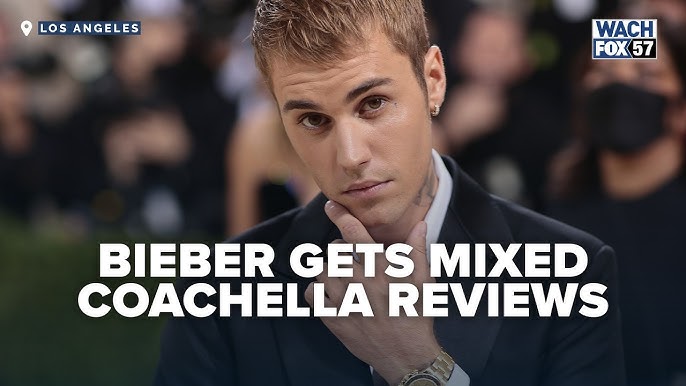
Justin Bieber’s $10 million Coachella headline set, marked by its heavy reliance on YouTube clips and a stripped-down format, has sparked one of the most heated debates in recent festival history. While some fans appreciated the experimental and interactive nature of the show, the majority criticized it as lazy and underwhelming, dubbing Bieber the worst headliner Coachella has ever seen. This controversy highlights the evolving expectations for live performances and the challenges artists face in balancing innovation with audience satisfaction.
If you want to stay updated on the latest music festival news and artist performances, be sure to follow our blog for in-depth coverage and expert analysis. Don’t miss out on the next big moment in live music!