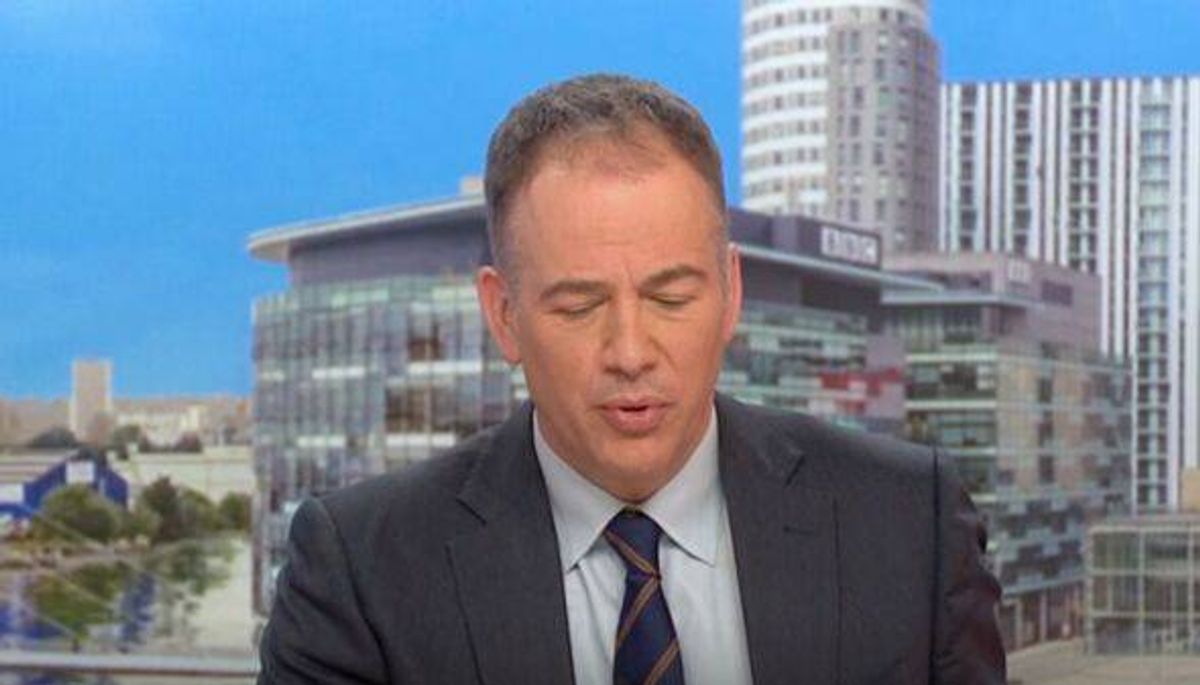
BBC Breakfast Viewers Jeer ‘It’s Like Pulling Teeth!’ After ‘Awkward’ Travel Chaos Interview Leaves Them ‘Reeling’
On a recent episode of BBC Breakfast, viewers were left both frustrated and bewildered during a live interview covering travel chaos at Milan’s Linate airport. The segment, which aimed to shed light on the disruption caused by new border control measures, instead sparked a wave of criticism from the audience who described the exchange as “awkward” and “like pulling teeth.” This article delves into the details of the incident, the reasons behind the travel delays, and the reactions from viewers who tuned in expecting clarity but were met with confusion.

Travel Chaos at Milan Linate Airport: The Cause of the Disruption
The travel chaos centered around the introduction of new border control checks at Milan’s Linate airport, which have been implemented across the European Union to enhance security and streamline passenger processing. However, these new measures have inadvertently caused significant delays, with queues stretching up to three hours. On the day in question, around 100 passengers were left stranded after missing their EasyJet flight from Milan to Manchester.
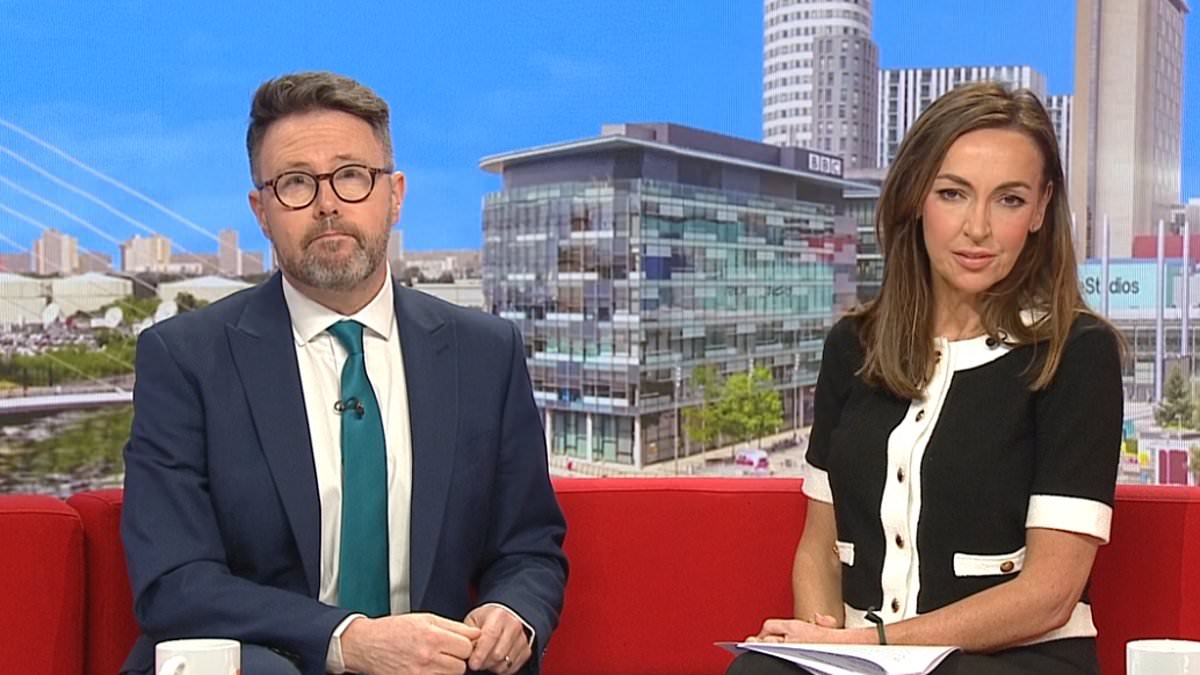
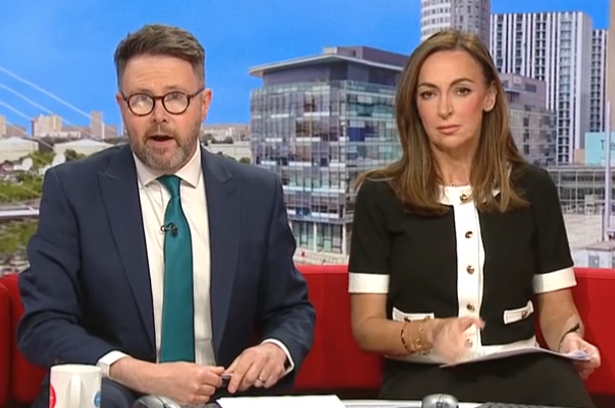
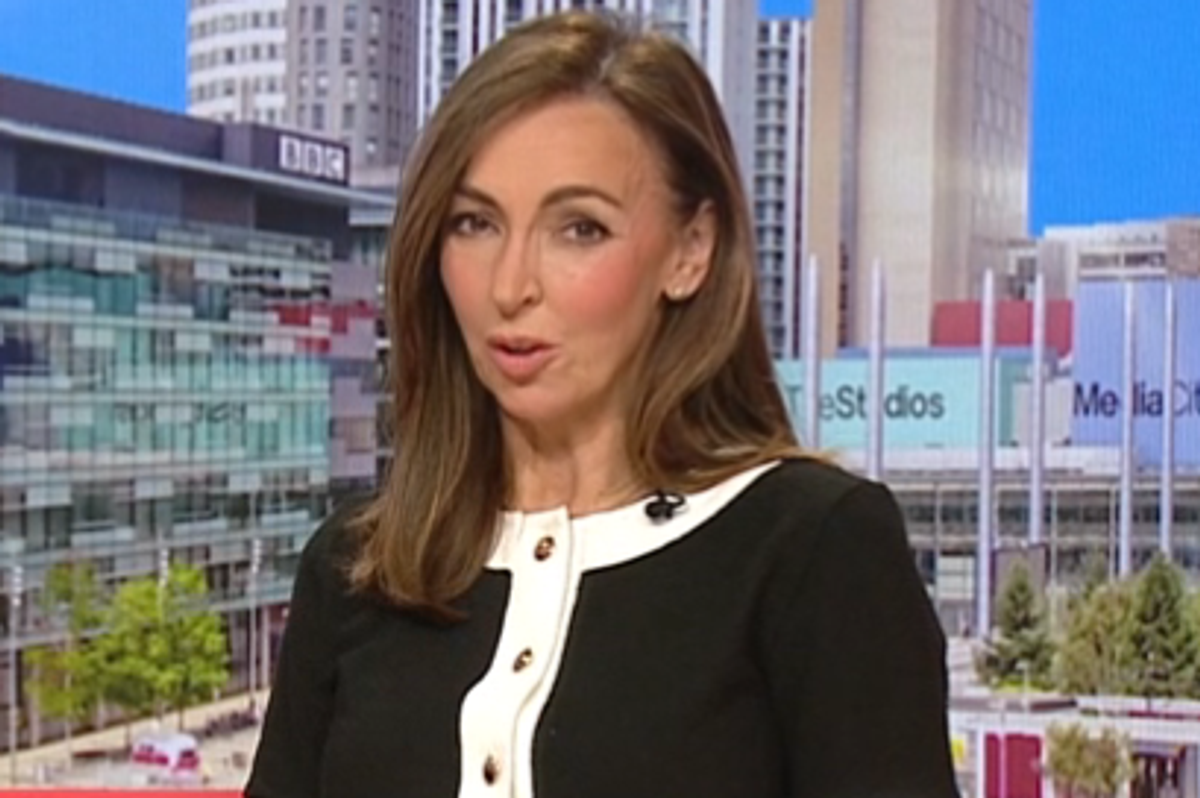
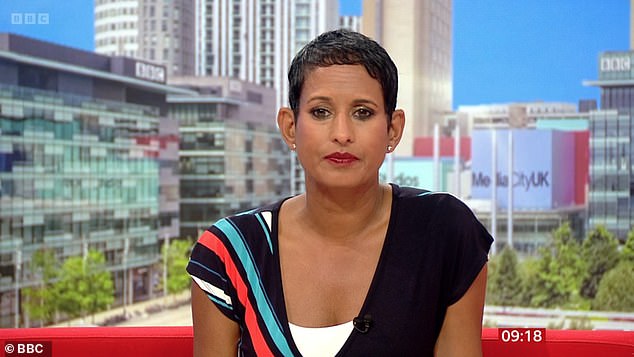
BBC Breakfast presenters Jon Kay and Sally Nugent reported on the situation during the Monday morning broadcast. Jon explained to viewers that the delays were primarily due to the newly enforced border controls, which had not been fully anticipated by travelers or airport staff. The disruption led to a backlog of passengers unable to board their scheduled flights, triggering widespread frustration and inconvenience.
The Awkward Interview That Left Viewers Reeling
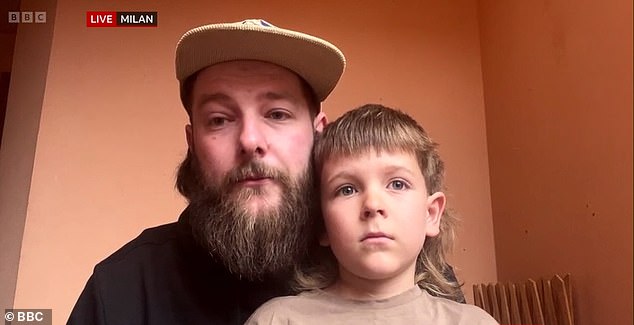
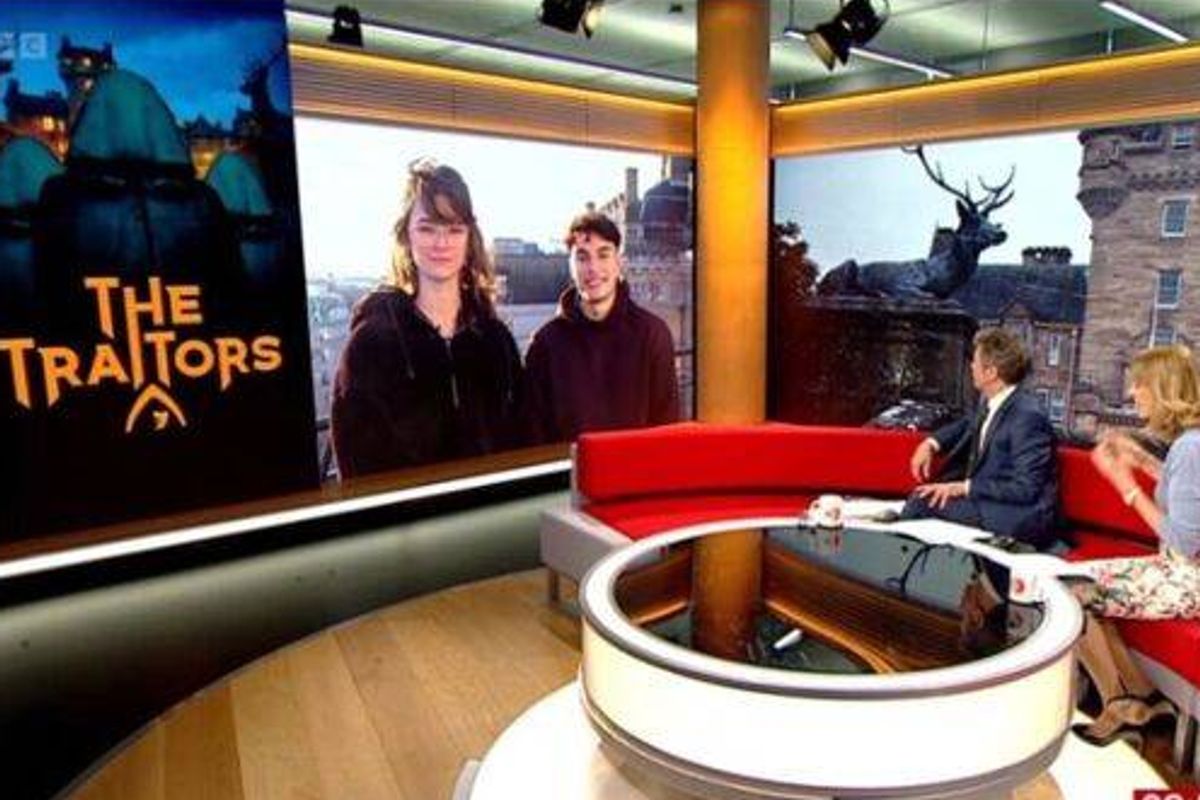
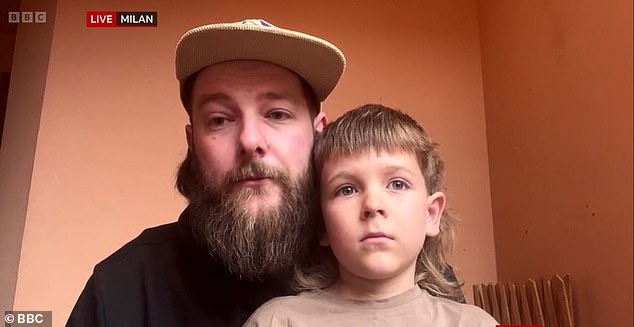
During the live segment, Jon and Sally interviewed Adam and Fredrik, a father and son duo who were among those stranded in Milan. The interview was intended to provide a firsthand account of the travel chaos and offer insight into the passenger experience. However, the exchange quickly became uncomfortable and disjointed, with the guests struggling to articulate their frustrations clearly and the presenters appearing to grapple with eliciting detailed responses.
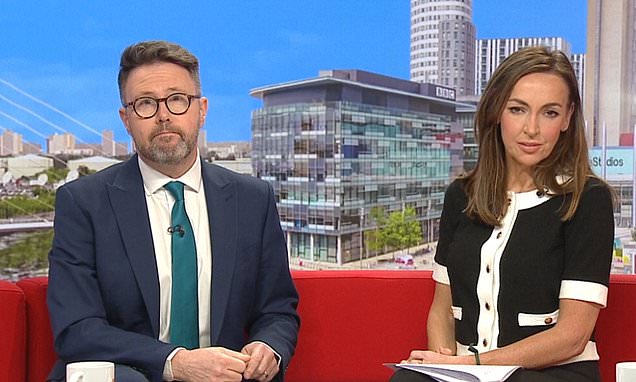
Viewers at home took to social media to express their disappointment with the interview’s tone and pacing. Many described it as “like pulling teeth,” highlighting the awkward pauses and lack of fluid conversation. Some criticized the interviewers for not steering the discussion more effectively, while others sympathized with the guests’ difficulty in conveying their ordeal under live broadcast pressure.

This reaction underscores the challenges of live news reporting, especially when covering complex, evolving situations like travel disruptions. While the intention was to inform and empathize with affected travelers, the execution left many viewers feeling unsatisfied and confused.
Understanding the Broader Impact of Travel Delays

The incident at Milan’s Linate airport is part of a broader pattern of travel disruptions affecting airports and airlines worldwide. Increased security protocols, staffing shortages, and heightened passenger volumes have combined to create a perfect storm of delays and cancellations. For travelers, this means heightened uncertainty and the need for greater flexibility when planning trips.
Airlines and airports are under pressure to adapt quickly to these new challenges. While border control enhancements are crucial for safety, their implementation must be balanced against the need for efficient passenger processing. The Milan case highlights the importance of clear communication and contingency planning to minimize passenger inconvenience.
How BBC Breakfast Could Improve Future Travel Coverage

Given the mixed reaction to the recent interview, there are lessons to be learned for future travel-related broadcasts. Viewers expect clear, concise, and empathetic reporting that not only explains the facts but also captures the human element of such disruptions. Here are some ways BBC Breakfast and similar programs can enhance their coverage:
- Preparation and Briefing: Ensuring guests are well-prepared for live interviews can help reduce awkwardness and improve the flow of conversation.
- Effective Moderation: Presenters should guide discussions with targeted questions that encourage detailed and relevant responses.
- Use of Visual Aids: Incorporating graphics or footage of the situation can provide context and keep viewers engaged.
- Follow-up Reporting: Offering updates and solutions post-chaos can reassure viewers and affected travelers.
By adopting these strategies, broadcasters can turn challenging live segments into informative and compelling stories that resonate with their audience.

Conclusion
The recent BBC Breakfast interview covering travel chaos at Milan’s Linate airport highlighted the difficulties of live reporting during complex situations. While the new border control checks are essential for security, their implementation has caused significant delays and passenger frustration. The awkward interview left many viewers feeling “like pulling teeth,” emphasizing the need for improved communication and interview techniques in live broadcasts.
If you’ve experienced travel disruptions or want to stay informed about the latest travel news, be sure to follow trusted news sources and prepare for possible delays in your journeys. For more updates and expert travel advice, keep tuning into BBC Breakfast and other reliable news outlets.