Pete Hegseth Loses Control at Pentagon Press Conference, Calls NBC Reporter “Rude” Amid Iran Tensions
During a recent Pentagon press briefing, Pete Hegseth, the Secretary of Defense, unexpectedly lost his composure, sharply reprimanding an NBC reporter for interrupting him. This incident has ignited a heated discussion about Hegseth’s approach to media interactions, especially as tensions with Iran continue to escalate. Known for his fiery temperament and outspoken nature, Hegseth’s latest outburst raises questions about the balance between military communication and press freedom during sensitive geopolitical moments.
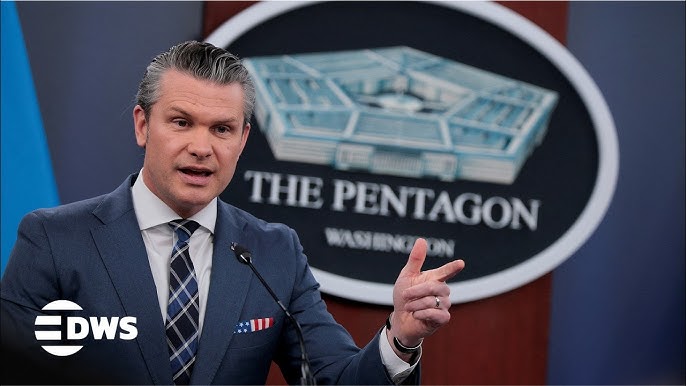
Pete Hegseth’s Outburst: Calling an NBC Reporter “Rude” During Iran Briefing

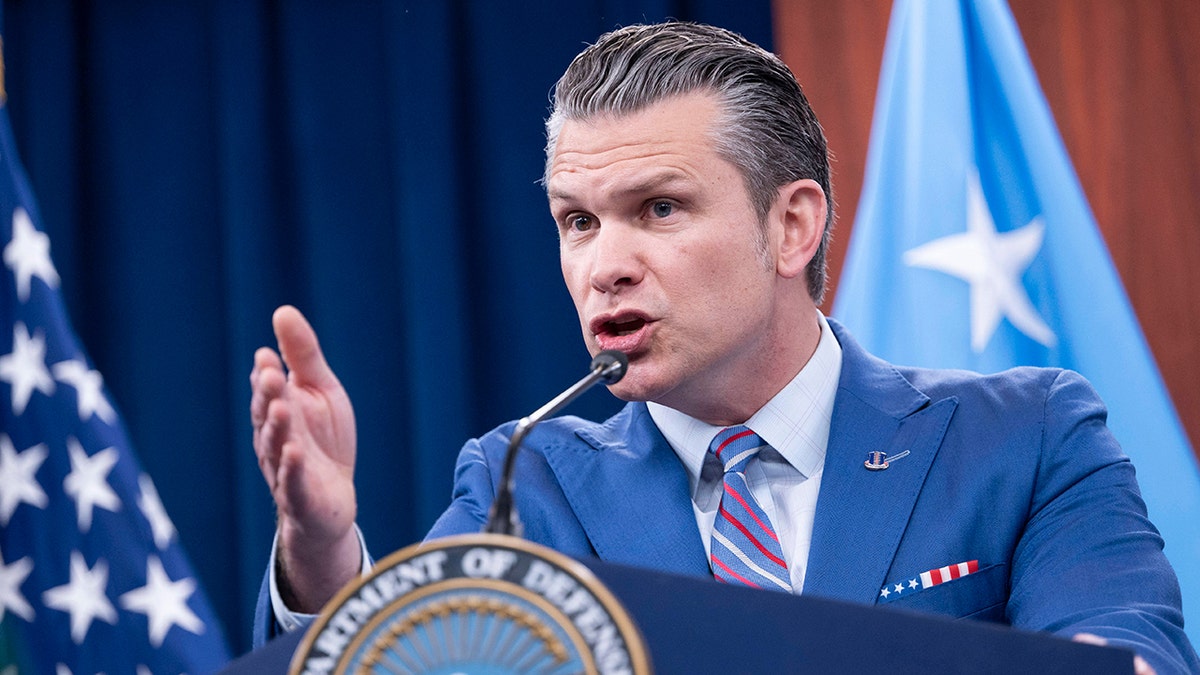
The confrontation unfolded when Hegseth was providing an update on the ongoing situation with Iran. As he called on Reagan Reese, a White House correspondent for the Daily Caller, to ask a question, NBC News Senior Correspondent Courtney Kube interrupted, attempting to interject with her own inquiry about Iran’s missile launches. This interruption provoked an immediate reaction from Hegseth, who scowled and sharply addressed Kube, saying, “Excuse me, why are you so rude? Just wait. I’m calling on people.”
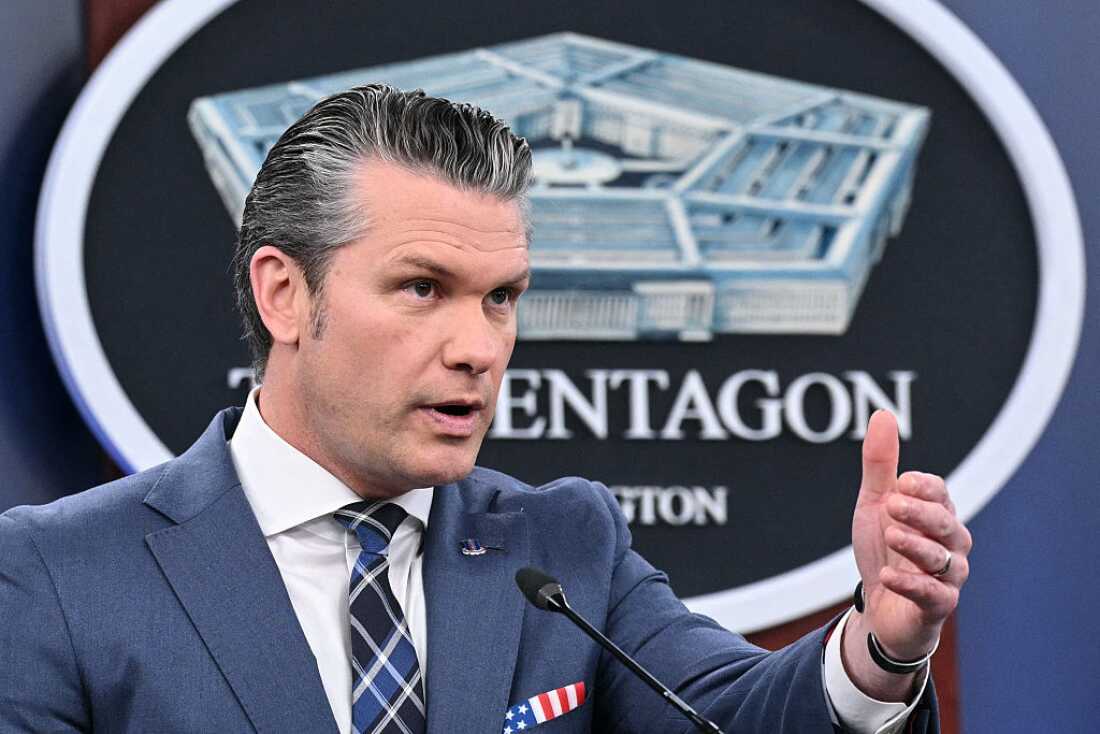
Following this, Hegseth muttered under his breath, “So nasty,” further highlighting his frustration. The incident was caught on camera and quickly circulated across social media platforms, sparking intense debate about the Secretary of Defense’s demeanor and his treatment of the press during critical updates on the Iran conflict.
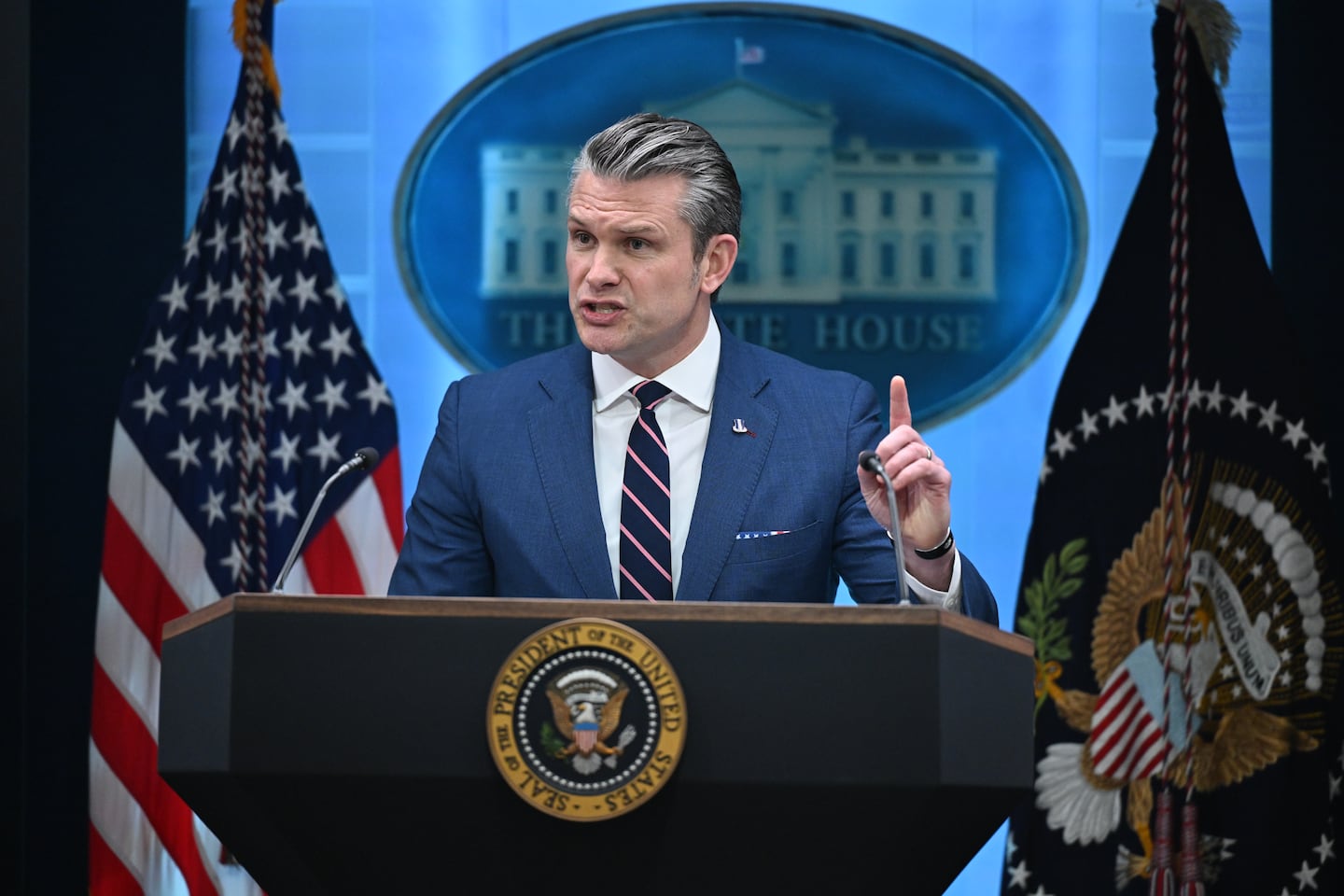
Context Behind Hegseth’s Temper: Media Coverage and Iran War Briefings
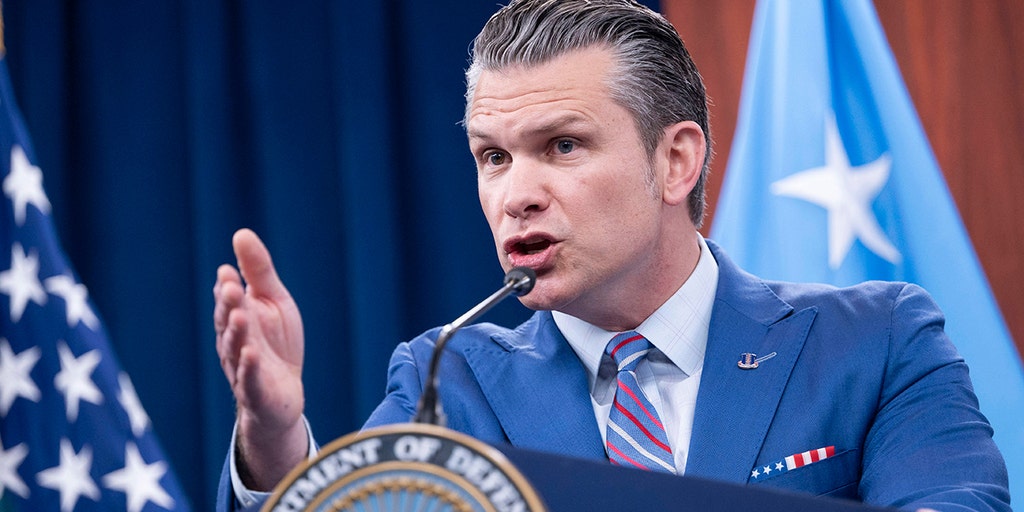
This was not the first time Pete Hegseth has displayed a short fuse during briefings related to the Iran conflict. Over recent weeks, he has expressed strong dissatisfaction with how the media portrays the ongoing tensions. Hegseth has accused major news outlets of biased and sensationalist reporting, particularly criticizing CNN for their coverage.
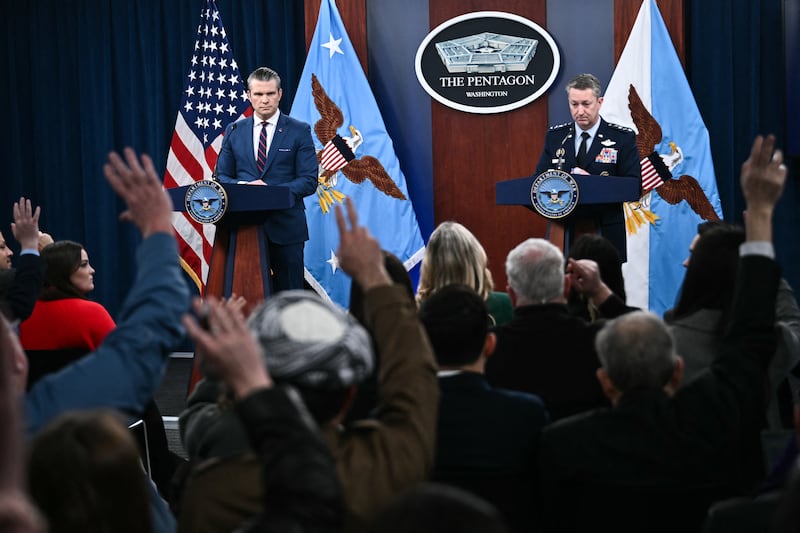
In a previous briefing, Hegseth lashed out at CNN’s headlines, which he claimed exaggerated the situation by focusing on civilian and energy targets hit by Iran. “Everything is written intentionally,” he said, criticizing the network’s choice of words like “Mideast War intensifies.” Instead, Hegseth suggested headlines should reflect Iran’s desperation, stating, “How about ‘Iran increasingly desperate?’ Because they are. They know it, and so do you, if it can be admitted.”
His frustration extended beyond just the media narrative. Hegseth also expressed hope that the recent corporate changes involving CNN’s parent company, Warner Bros. Discovery, and its merger with Paramount under David Ellison’s leadership would lead to a shift in editorial direction. Ellison’s acquisition has been linked to plans for a new “anti-woke” news division, which Hegseth welcomed as a potential corrective to what he perceives as biased reporting.
Criticism and Controversy Surrounding Hegseth’s Role
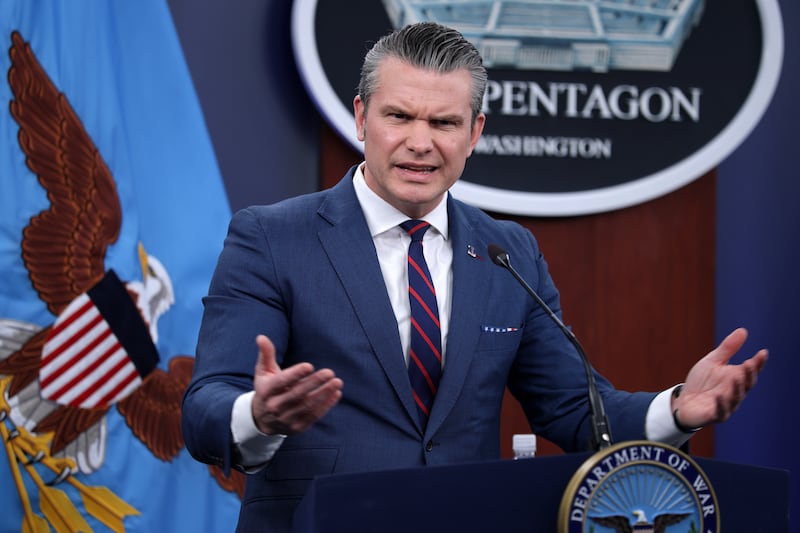
While Hegseth’s supporters applaud his candidness and defense of military interests, critics argue that his behavior undermines the professionalism expected from a Secretary of Defense. James Walkinshaw, a member of the Military and Foreign Affairs Subcommittee of the House Committee on Oversight and Government Reform, has publicly questioned Hegseth’s suitability for his role.
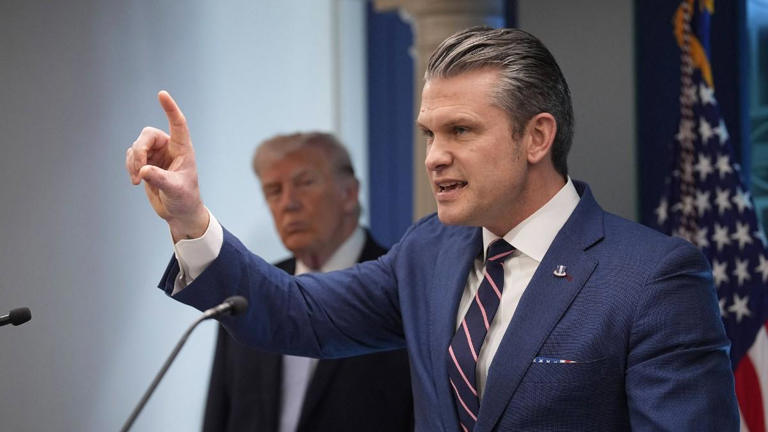
Walkinshaw described Hegseth as “embarrassing,” stating that during classified sessions, the Secretary appears unable to handle detailed questions or think beyond scripted remarks. This criticism highlights concerns about whether Hegseth’s temperament and communication style are appropriate for managing complex defense issues, especially during a volatile period involving Iran.
The Impact of Hegseth’s Media Relations on Public Perception
Hegseth’s confrontational approach to media interactions has significant implications for public perception of the Pentagon’s handling of the Iran crisis. Effective communication between defense officials and the press is crucial for transparency and maintaining public trust, especially when national security is at stake.
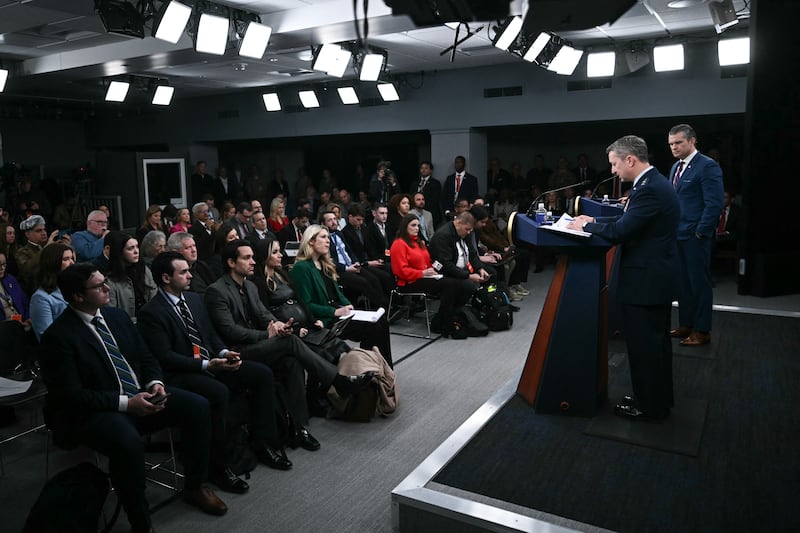
By openly chastising reporters and expressing frustration with media coverage, Hegseth risks alienating journalists and fueling narratives of government hostility toward the press. This dynamic can hinder the flow of information and complicate efforts to provide accurate, timely updates to the public.
Moreover, in an era where misinformation and “fake news” accusations are rampant, maintaining a professional and respectful dialogue with the media is essential. Hegseth’s recent outburst may detract from the Pentagon’s credibility and distract from the substantive issues surrounding the Iran conflict.
Balancing Assertiveness and Professionalism in Press Briefings
While it is understandable that defense officials may feel pressure and frustration during high-stakes briefings, balancing assertiveness with professionalism is key. Interruptions and aggressive questioning are common in press conferences, and managing these moments with composure helps preserve constructive relationships with the media.
Hegseth’s experience as a former Fox News anchor may contribute to his direct communication style, but the role of Secretary of Defense demands a measured approach that prioritizes clear, respectful exchanges. This balance ensures that critical information reaches the public without unnecessary conflict or distraction.
Conclusion
Pete Hegseth’s sudden loss of control during the Pentagon press conference, where he called an NBC reporter “rude,” has sparked a broader conversation about his media relations amid escalating tensions with Iran. While his passion for defending military interests is evident, his confrontational style raises questions about the effectiveness of his communication strategy and its impact on public trust.
As the situation with Iran continues to develop, it is crucial for defense officials like Hegseth to maintain professionalism and foster positive media engagement. Doing so will help ensure that accurate information is conveyed and that the public remains informed during these critical times.
If you want to stay updated on the latest developments in defense and international relations, subscribe to our newsletter and follow our expert analysis.
