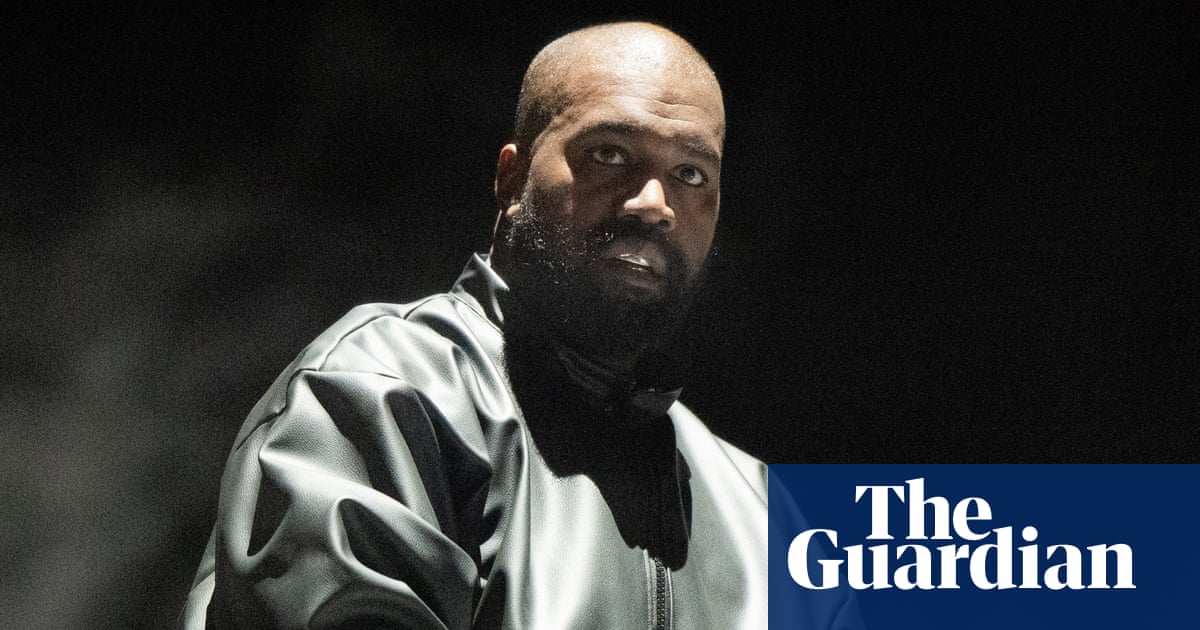
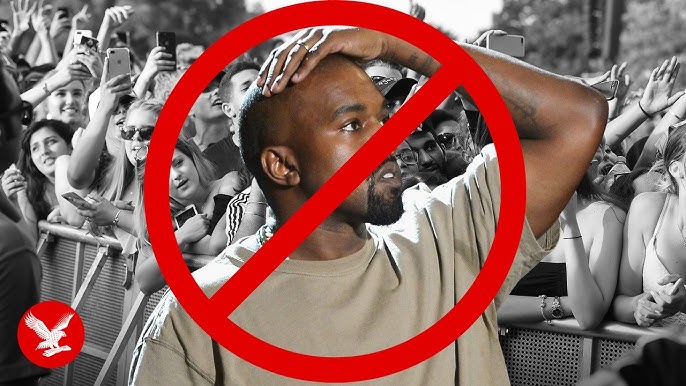
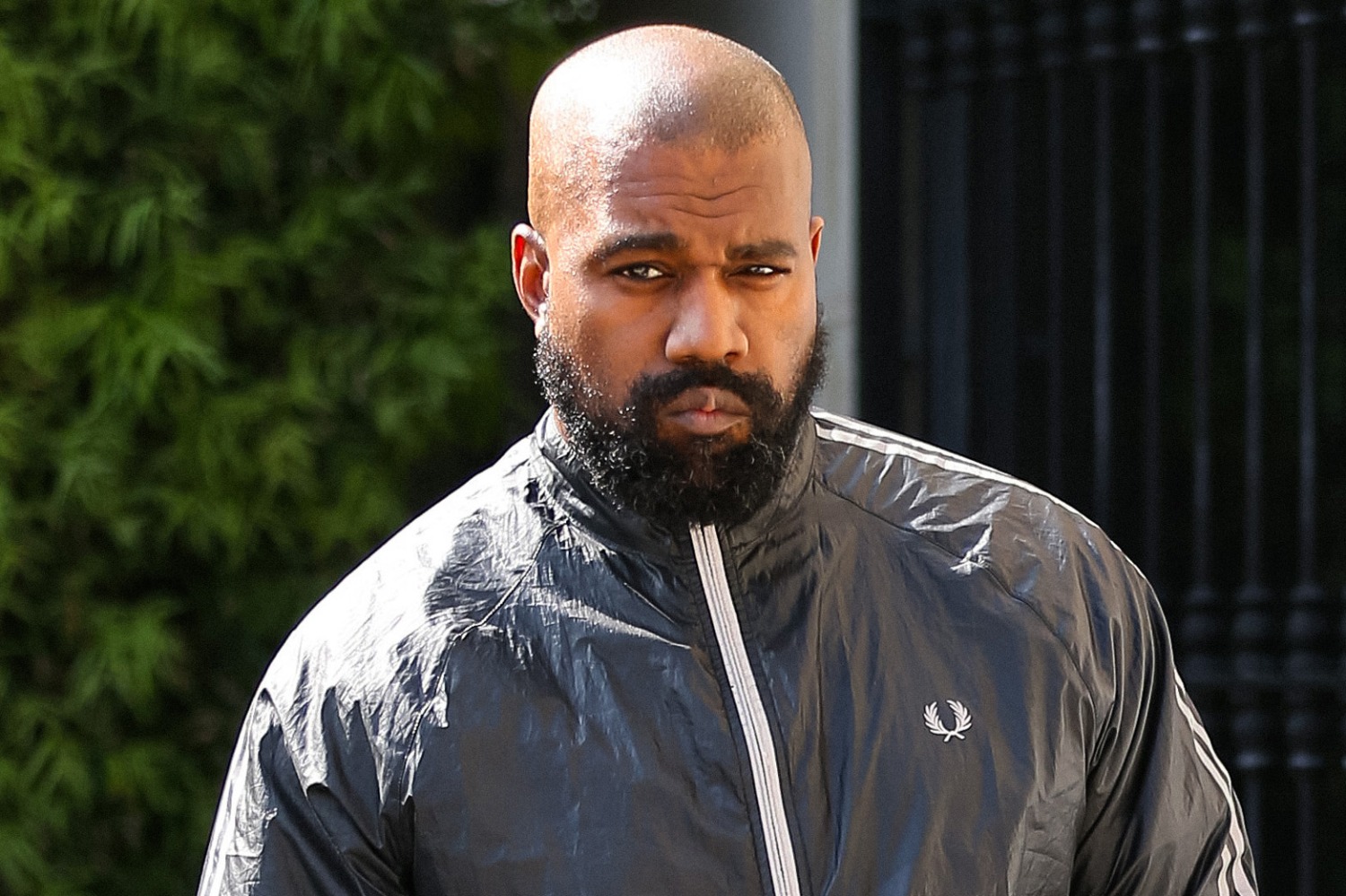
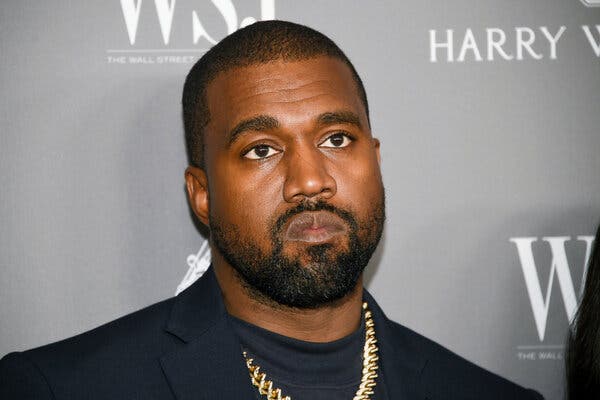
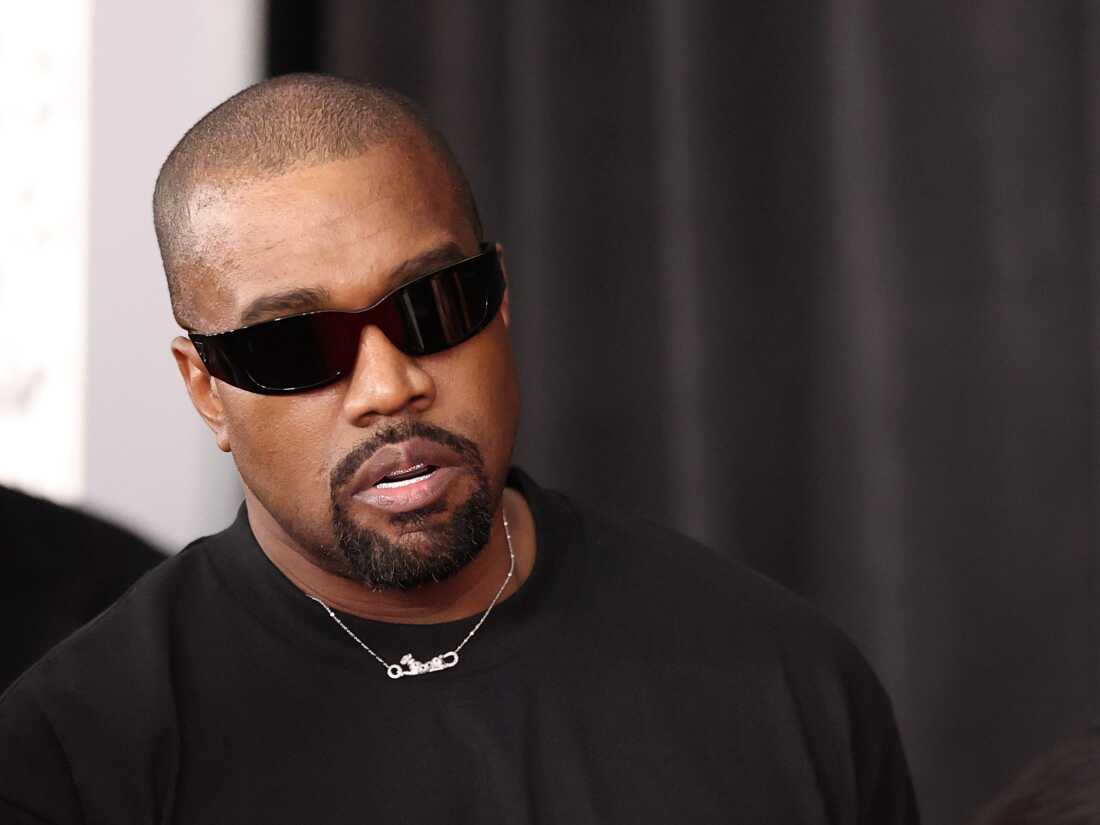
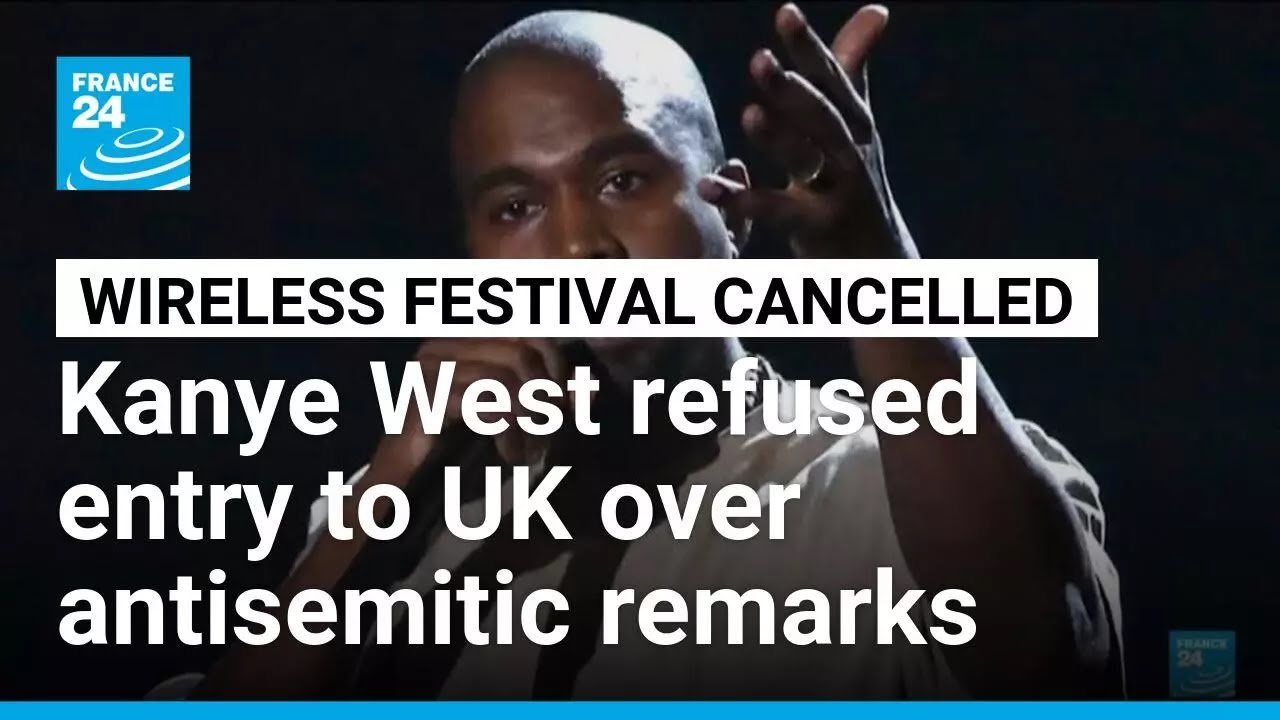
Kanye West has officially been BANNED from entering the United Kingdom in a latest announcement—and the reason has now been revealed!
UK Government Bans Kanye West Over Antisemitic Remarks
In a significant and unprecedented move, the United Kingdom government has officially banned Kanye West, now known as Ye, from entering the country. This decision was made public following a series of controversial antisemitic remarks made by the rapper, which sparked widespread outrage and condemnation. The ban came as a direct response to concerns that West’s presence would not be conducive to the public good, a standard often cited in immigration and visa decisions.
The ban has had immediate and far-reaching consequences, most notably the cancellation of the highly anticipated Wireless Festival in London. Kanye West was scheduled to headline the event, which was set to take place from July 10 to 12 at Finsbury Park. However, after the UK Home Office withdrew his Electronic Travel Authorization (ETA), the festival organizers announced the cancellation and promised refunds to all ticket holders.
The Impact on Wireless Festival and Public Reaction
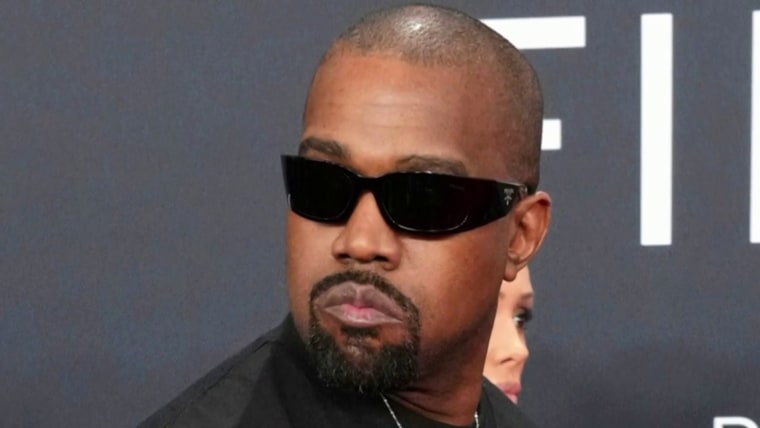
The Wireless Festival’s cancellation sent shockwaves through the music and entertainment industry. Festival organizers released a statement emphasizing that “antisemitism in all its forms is abhorrent,” acknowledging the serious impact of West’s remarks on the community and the public at large. The withdrawal of major sponsors such as Pepsi, Rockstar Energy, and Diageo further compounded the pressure on the festival to take decisive action.
British Prime Minister Keir Starmer publicly expressed his deep concern over West’s initial booking, highlighting the government’s stance against hate speech and discrimination. Despite initial support from festival organizer Melvin Benn, who called for forgiveness and second chances, the mounting backlash made the festival’s continuation untenable.
Kanye West himself attempted to address the controversy by offering to meet with members of the Jewish community in the UK. He expressed a desire to “present a show of change, bringing unity, peace, and love through my music.” However, key Jewish organizations, including the Jewish Leadership Council and Campaign Against Antisemitism, declined to engage with him, citing the severity of his past actions.
Kanye West’s Controversial Past and Attempts at Redemption
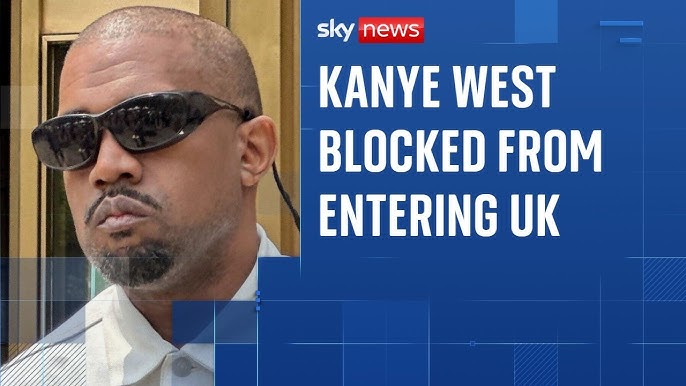
Kanye West’s ban from the UK is rooted in a series of highly publicized antisemitic behaviors. These included marketing a swastika T-shirt on his website, releasing a song titled “Heil Hitler,” and self-identifying as a Nazi. Such actions drew widespread condemnation from fans, fellow artists, and advocacy groups alike.
In January, West issued a public apology for his antisemitic remarks via a full-page advertisement in The Wall Street Journal. He attributed his behavior to the effects of a decades-old car accident and his ongoing battle with bipolar disorder. Since then, West has been attempting a comeback, performing to large audiences, including a recent show at California’s SoFi Stadium.
Despite these efforts, the UK government’s decision underscores the seriousness with which it views hate speech and the potential harm it can cause to society. The ban serves as a clear message that public figures are held accountable for their words and actions, especially when they incite division or hatred.
What This Means for Kanye West and Future UK Appearances
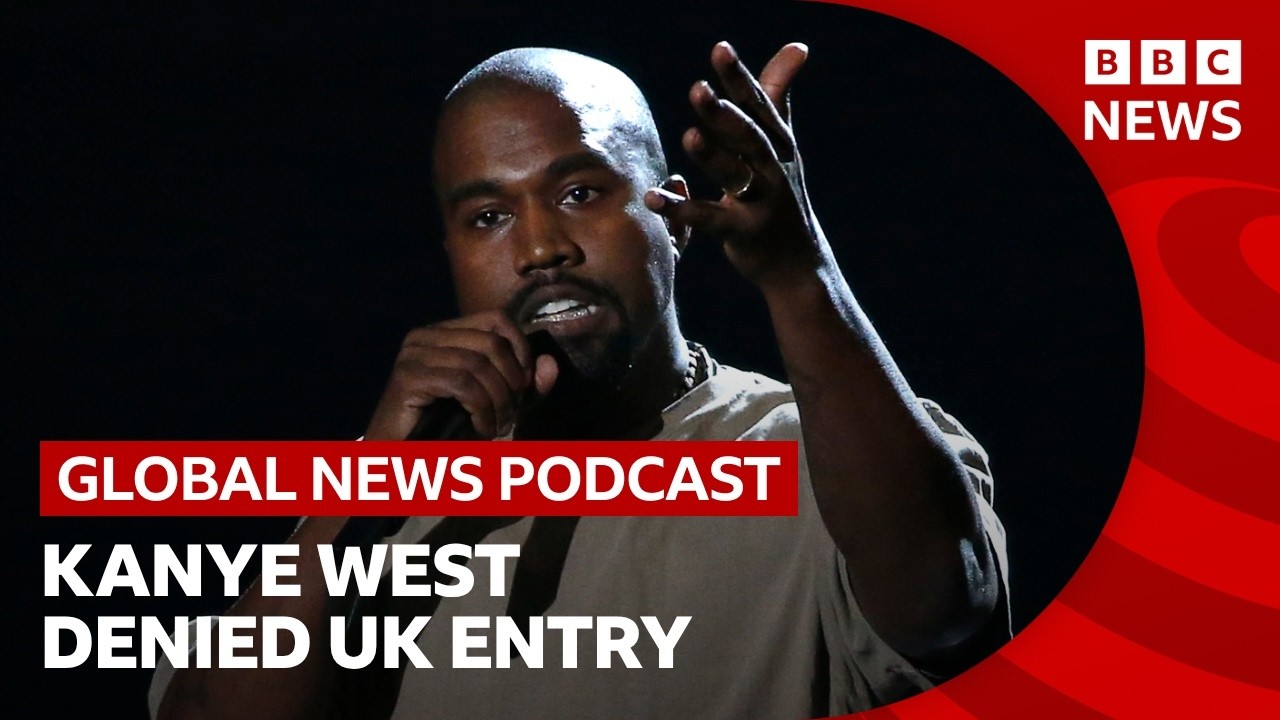
The ban on Kanye West entering the United Kingdom marks a pivotal moment in the intersection of celebrity culture, free speech, and public responsibility. For West, it means the loss of a significant platform to connect with his UK fanbase and perform at major events like the Wireless Festival.
This move also sets a precedent for how governments may respond to public figures whose actions are deemed harmful or divisive. It highlights the increasing intolerance for hate speech and the importance of maintaining social harmony.
For fans and the music industry, the cancellation of the Wireless Festival is a major disappointment, but it also reflects a broader commitment to combating antisemitism and promoting inclusivity.
Looking Ahead: The Role of Accountability in Entertainment
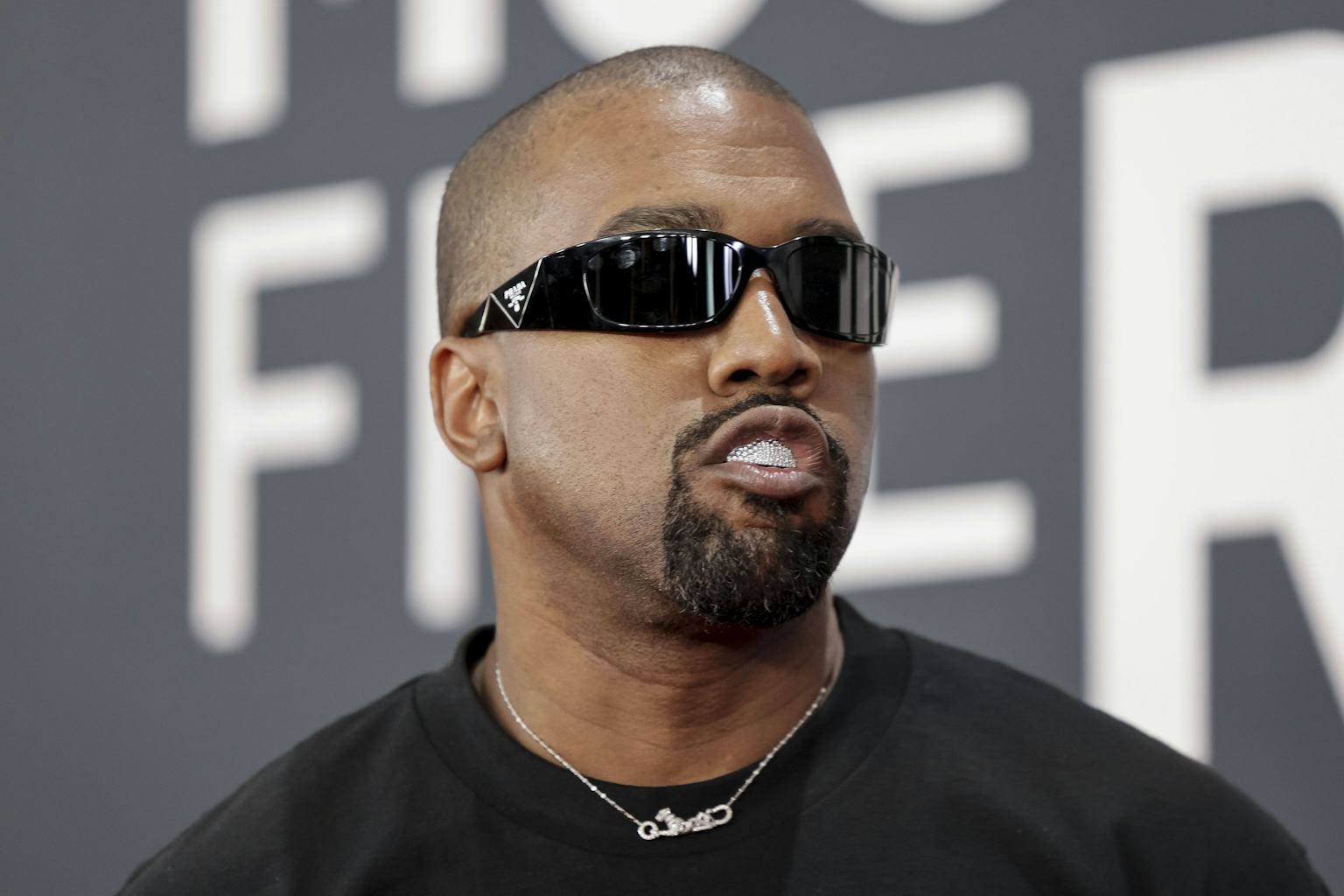
Kanye West’s ban from the UK raises important questions about accountability in the entertainment world. While artists often push boundaries, there is a growing expectation that they do so responsibly and without promoting hate or discrimination.
The situation also emphasizes the power of public opinion and corporate responsibility, as sponsors and organizers quickly distanced themselves from West following his remarks. This collective response demonstrates how societal values influence business decisions and cultural events.
Ultimately, the ban serves as a reminder that words have consequences, and public figures must be mindful of their influence on diverse audiences.
Conclusion
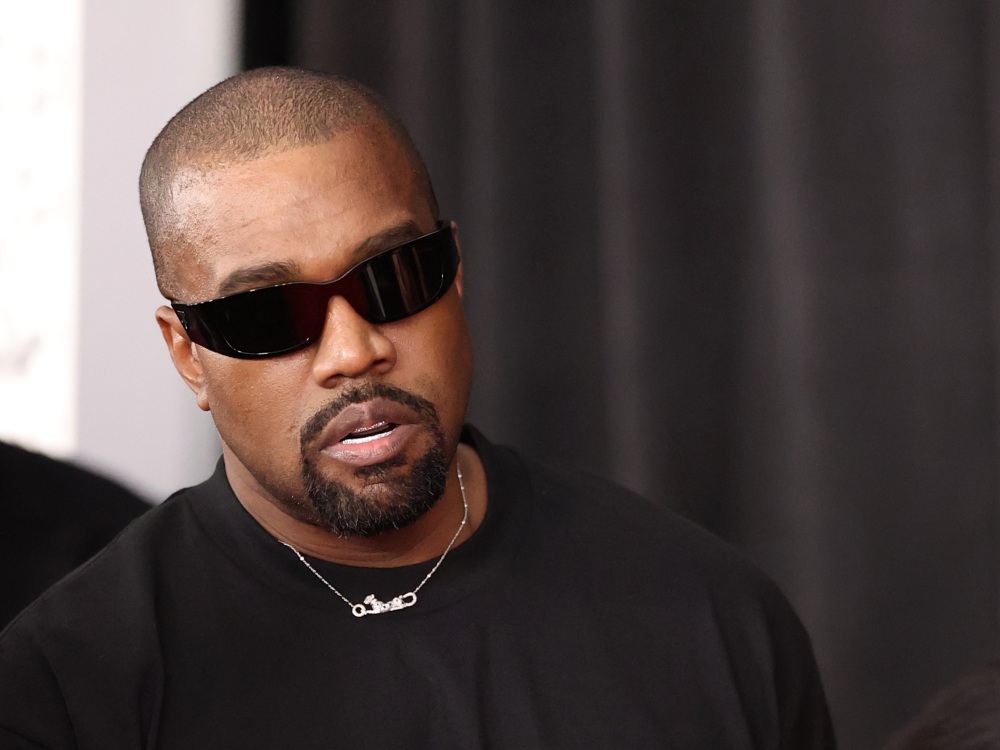
Kanye West’s official ban from entering the United Kingdom, prompted by his past antisemitic remarks, has led to the cancellation of the Wireless Festival and sparked widespread discussion about accountability in the entertainment industry. The UK government’s firm stance highlights the importance of combating hate speech and protecting public welfare. While West has expressed a desire to change and engage in dialogue, the response from the community and authorities remains cautious and resolute.
If you want to stay updated on this developing story and other celebrity news, be sure to subscribe to our newsletter and follow our latest articles. Your voice matters—join the conversation today!