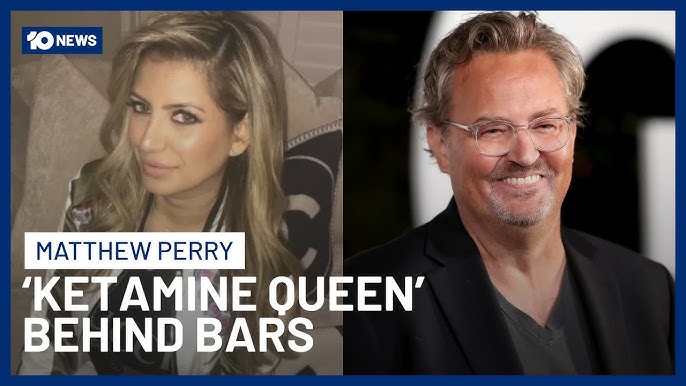
‘Ketamine Queen’ Sentenced to 15 Years in Matthew Perry’s Overdose Death
In a landmark case that has drawn widespread attention, Jasveen Sangha, infamously known as the “Ketamine Queen,” has been sentenced to 15 years in prison for her involvement in the overdose death of beloved actor Matthew Perry. The Friends star, who tragically passed away in October 2023, had long struggled with substance addiction, and the drugs supplied by Sangha played a critical role in his untimely demise. This article delves into the details surrounding the sentencing, the nature of Sangha’s criminal enterprise, and the broader impact on those connected to Perry.
The ‘Ketamine Queen’ and Her Role in Matthew Perry’s Death

Jasveen Sangha, 42, was convicted after pleading guilty to multiple charges, including distributing ketamine that resulted in death or bodily injury. Prosecutors revealed that Sangha operated a sophisticated drug distribution network from her North Hollywood residence, which was described as a “drug-selling emporium.” Her clientele included affluent and influential individuals, highlighting the extensive reach of her illegal activities.
Ketamine, a dissociative anesthetic with hallucinogenic properties, is intended for medical use only under strict supervision. However, Sangha illegally supplied this potent drug to Matthew Perry and others, contributing directly to fatal overdoses. Investigators confirmed that Perry died from the acute effects of ketamine found in his system at the time of his death.
During the sentencing hearing, Sangha expressed remorse, admitting her poor decisions had devastated many lives. Despite this, the judge emphasized the severity of her crimes and her lack of genuine remorse over the years. Perry’s stepmother, Debbie Perry, delivered a poignant victim impact statement, urging the court to impose the maximum sentence to prevent Sangha from harming other families.
Details of the Investigation and Legal Proceedings
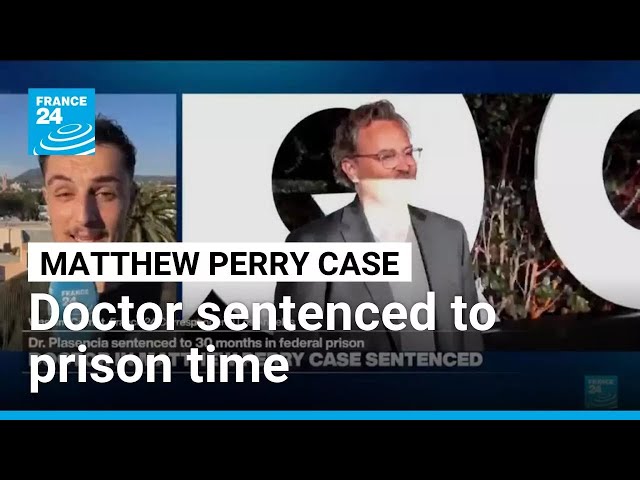
Federal authorities uncovered a significant cache of ketamine vials during a raid on Sangha’s home, along with thousands of pills containing methamphetamine, cocaine, and Xanax. Evidence showed that Sangha had been distributing injectable ketamine from her “stash house” since at least 2019. Initially denying the charges, she later changed her plea to guilty just weeks before her trial was set to begin.
As part of her plea agreement, Sangha admitted to selling ketamine to another individual, Cody McLaury, who also died from an overdose shortly after purchasing drugs from her. The gravity of these offenses meant Sangha faced a potential sentence of up to 65 years in federal prison.
Sangha’s defense attorneys requested leniency, citing her acceptance of responsibility and lack of prior criminal record. However, the court prioritized the irreversible damage caused by her actions, leading to the 15-year sentence.
Other Individuals Involved in the Case
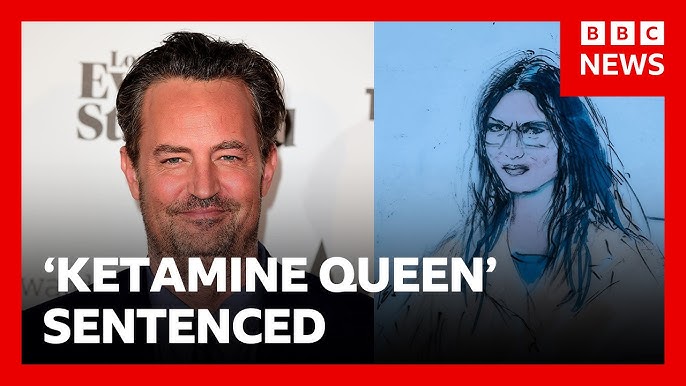
Jasveen Sangha is not the only person held accountable in the tragic overdose death of Matthew Perry. Authorities have identified five individuals, including medical professionals and Perry’s personal assistant, who supplied ketamine to the actor, exploiting his addiction for profit.
Dr. Salvador Plasencia, who provided ketamine to Perry in the weeks before his death, was sentenced to 30 months in prison. Another doctor, Mark Chavez, received eight months of home detention and three years of supervised release after admitting to fraudulent activities related to ketamine distribution.
Perry’s assistant, Kenneth Iwamasa, who helped procure and administer the drug, is awaiting sentencing, with his legal team seeking a postponement. Additionally, Eric Fleming, who obtained ketamine from Sangha and sold it to Perry, is scheduled for sentencing in June.
Impact of the Case and Broader Implications

The sentencing of the “Ketamine Queen” underscores the devastating consequences of illegal drug distribution, especially when it involves vulnerable individuals battling addiction. Matthew Perry’s death has brought renewed focus on the dangers of ketamine misuse and the exploitation of those struggling with substance abuse.
This case also highlights the importance of accountability among medical professionals and others who facilitate access to controlled substances outside legal channels. The involvement of doctors and close associates in supplying ketamine to Perry demonstrates a troubling pattern of enabling addiction rather than providing help.
For families affected by addiction, the outcome of this case offers a measure of justice, but also a stark reminder of the ongoing challenges in combating drug abuse and trafficking.
What This Means for Drug Enforcement and Prevention

Law enforcement agencies continue to intensify efforts to crack down on illegal drug distribution networks. The discovery of Sangha’s extensive drug operation serves as a warning to others involved in similar activities. It also calls attention to the need for stricter regulations and oversight in the medical community to prevent the diversion of prescription drugs.
Public awareness campaigns and support for addiction treatment programs are crucial in addressing the root causes of substance abuse. The tragic loss of a public figure like Matthew Perry has sparked conversations about mental health, addiction therapy, and the risks associated with certain medications like ketamine.
Conclusion
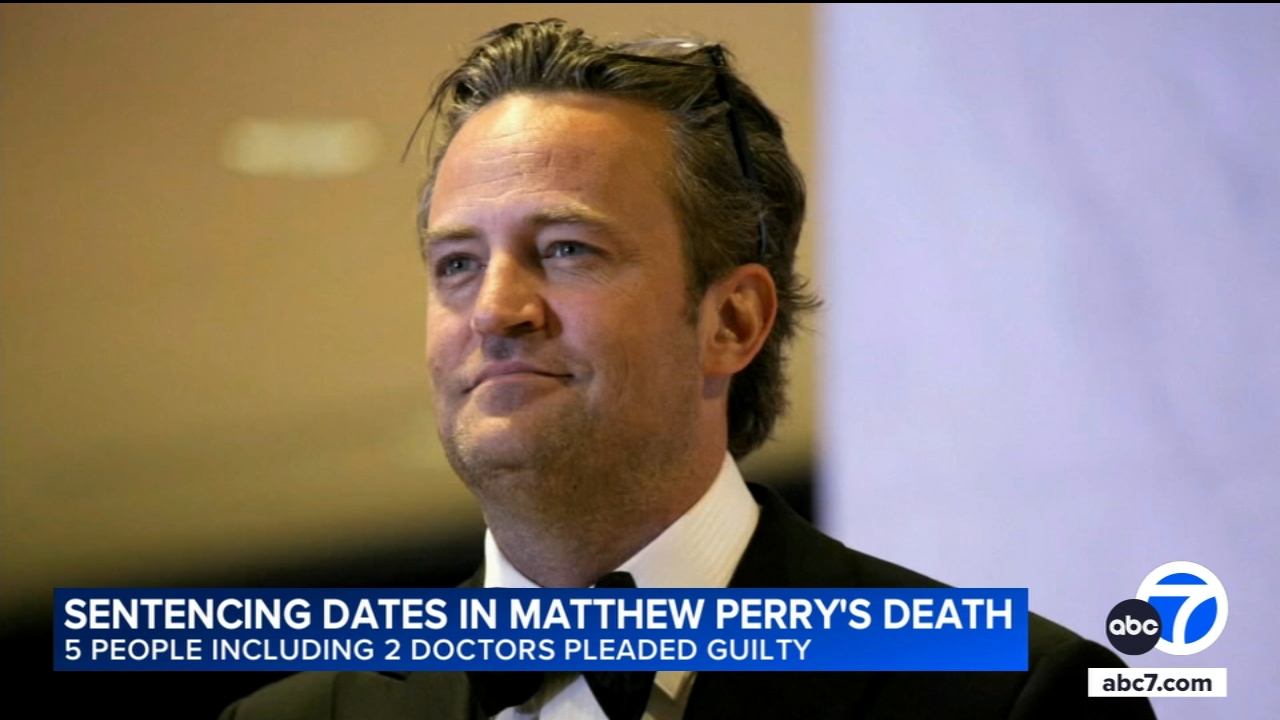
The 15-year prison sentence handed down to Jasveen Sangha, the “Ketamine Queen,” marks a significant moment in the fight against illegal drug distribution and its deadly consequences. Her role in the overdose death of Matthew Perry has brought justice to the actor’s family and sent a clear message about the serious repercussions of exploiting addiction for profit.
If you or someone you know is struggling with substance abuse, it’s important to seek professional help immediately. Addiction is a disease that requires compassionate treatment and support. Don’t wait—reach out to local resources or addiction specialists today to start the path to recovery.