Haunting Reason Jeremy Clarkson Refuses to Donate His Organs After Death
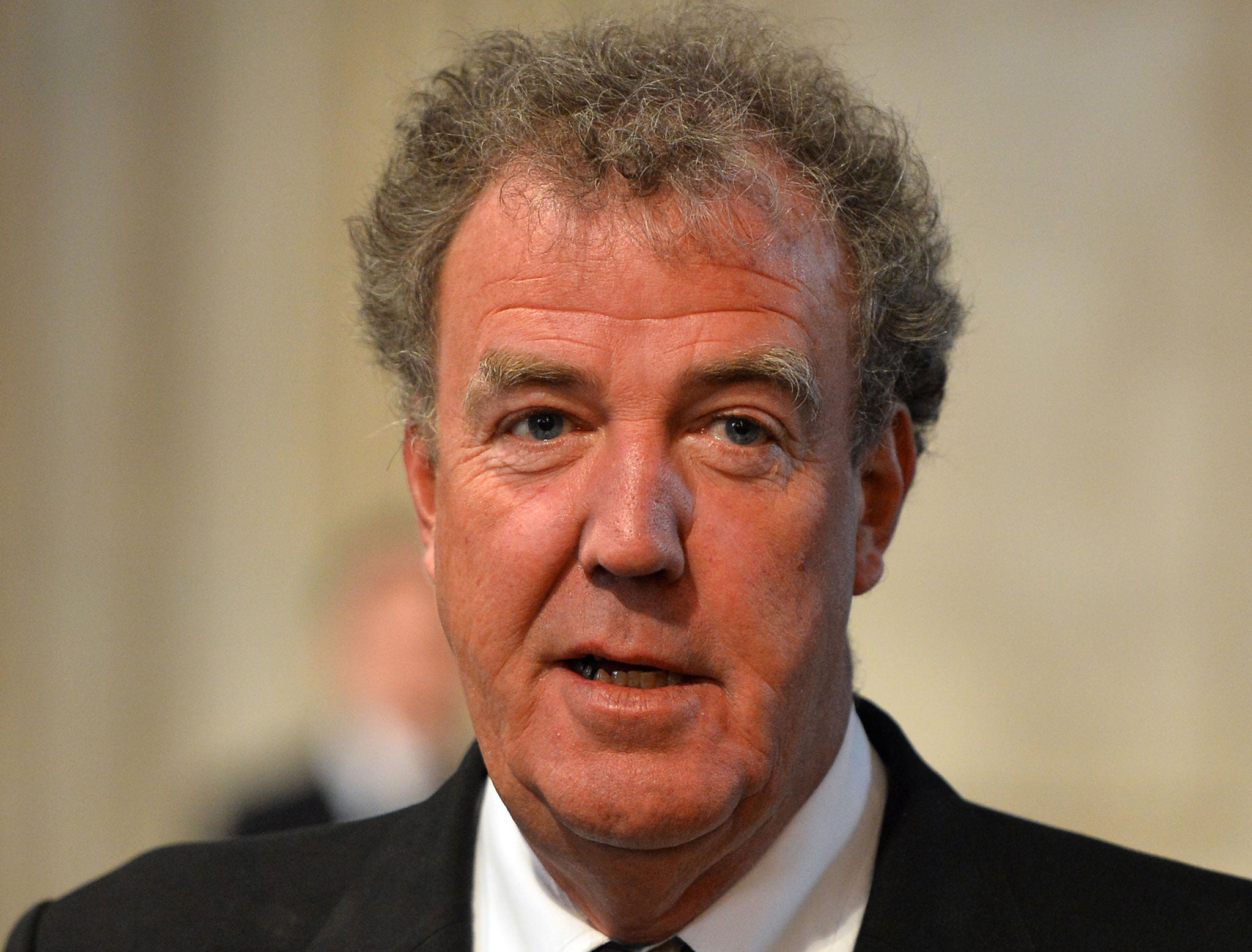
Jeremy Clarkson, the outspoken television presenter and star of Clarkson’s Farm, has recently shared a deeply personal and haunting reason behind his refusal to donate his organs after death. Known for his candid and often controversial opinions, Clarkson’s latest revelation sheds light on his complex feelings about mortality, religion, and the afterlife. This article delves into the reasons behind his decision, his unusual funeral plans, and the broader implications of his stance on organ donation.
Jeremy Clarkson’s Haunting Reason for Refusing Organ Donation
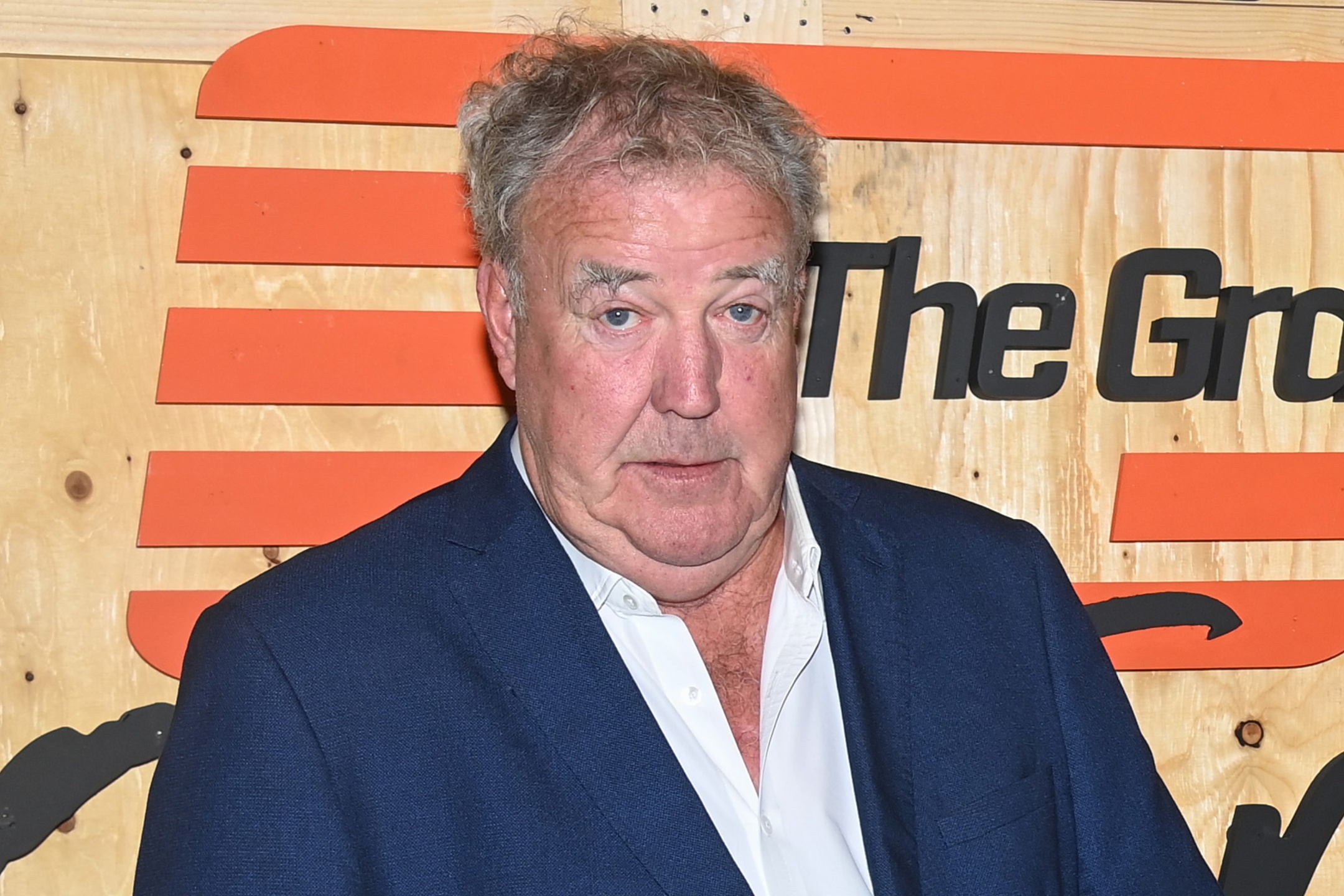
In a heartfelt column for The Times, Jeremy Clarkson opened up about why he has chosen not to sign up as an organ donor, despite acknowledging that it is “the right thing to do.” Clarkson explained that his hesitation stems from a lingering spiritual doubt. He confessed, “I’ve always had a nagging doubt that I might be wrong about God and that if I give my eyes to a motorcyclist and it turns out there is a heaven, I’d be pretty cross with myself.”
This haunting admission reveals a profound internal conflict. On one hand, Clarkson recognizes the altruistic value of organ donation and its potential to save lives. On the other, he wrestles with the possibility of an afterlife where his organs might be used by someone else, which unsettles him deeply. This unique perspective highlights how personal beliefs and fears can influence decisions about organ donation, even among public figures.
Context Behind Clarkson’s Views: Health Scare and Mortality
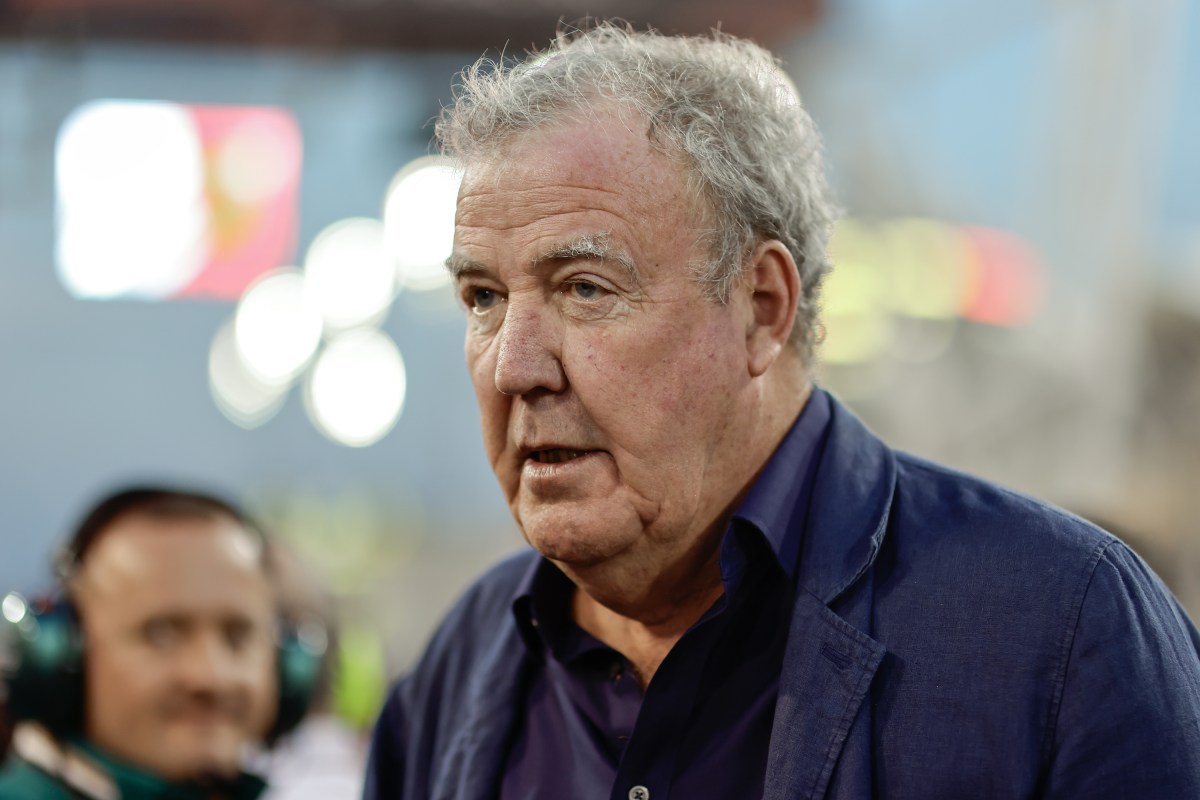
Clarkson’s reflections on organ donation come in the wake of a serious health scare. In late 2024, he underwent emergency heart surgery at Oxford’s John Radcliffe Hospital, an experience that forced him to confront his own mortality. Despite this close brush with death, Clarkson’s characteristic humor and bluntness remain intact as he discusses his future plans.
His health ordeal has prompted him to rethink his lifestyle and legacy, but it has not swayed him to become an organ donor. Instead, it seems to have intensified his desire to maintain control over what happens to his body after death. Clarkson’s story underscores how personal experiences with health can lead to complex and sometimes unexpected decisions about end-of-life arrangements.
Unconventional Funeral and Burial Wishes
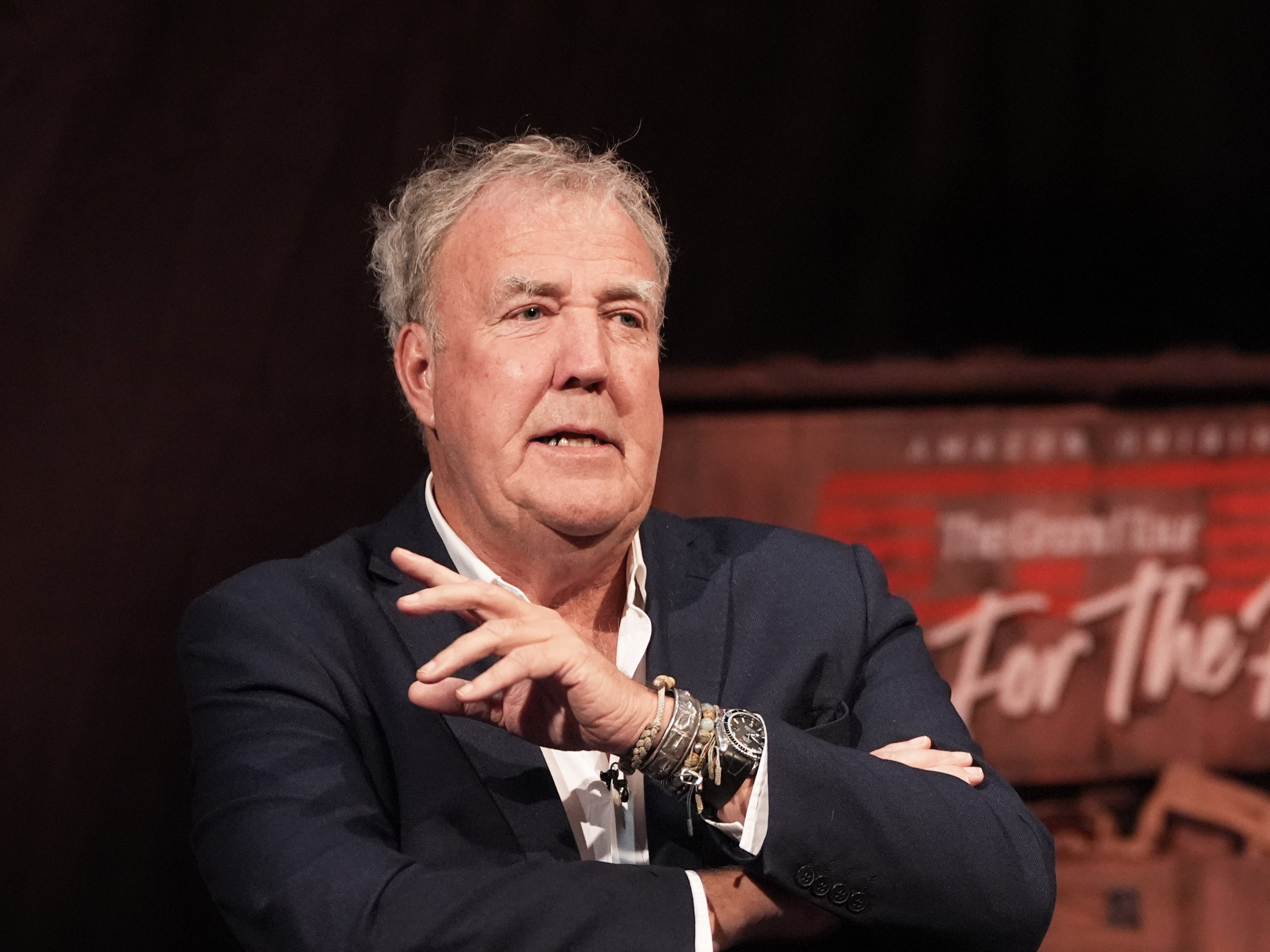
Beyond organ donation, Jeremy Clarkson has also shared his unusual plans for his funeral and burial. He has stated that mourners at his funeral will be required to endure the full 23-minute prog rock epic “Supper’s Ready” by Genesis, a testament to his love for music and his desire to make his farewell memorable.
Clarkson’s burial plans are equally unconventional. He wishes to be buried in Canada’s remote Yukon territory, a location chosen “for no other reason than it’s seriously inconvenient.” This choice reflects his characteristic irreverence and desire to complicate matters for those left behind.
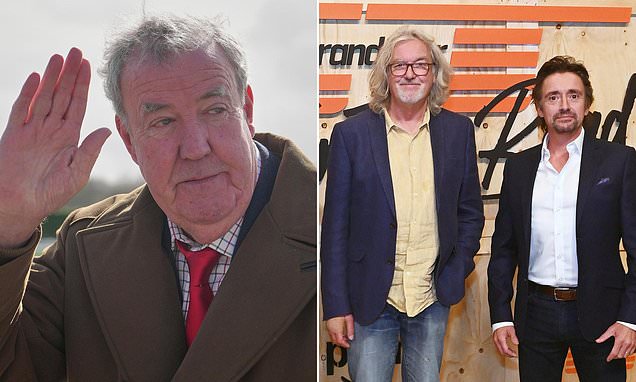
His will is peppered with humor and eccentricity. For example, longtime co-host James May is set to inherit a cow, described as “something he’d find irritating,” while Richard Hammond will receive “all my trousers.” His son Finlo is to inherit a gold watch, but only if he agrees to keep it “up his bottom for five years.” These quirky bequests reveal Clarkson’s playful approach to legacy and memory.
Jeremy Clarkson’s Views on Life Support and Incapacitation
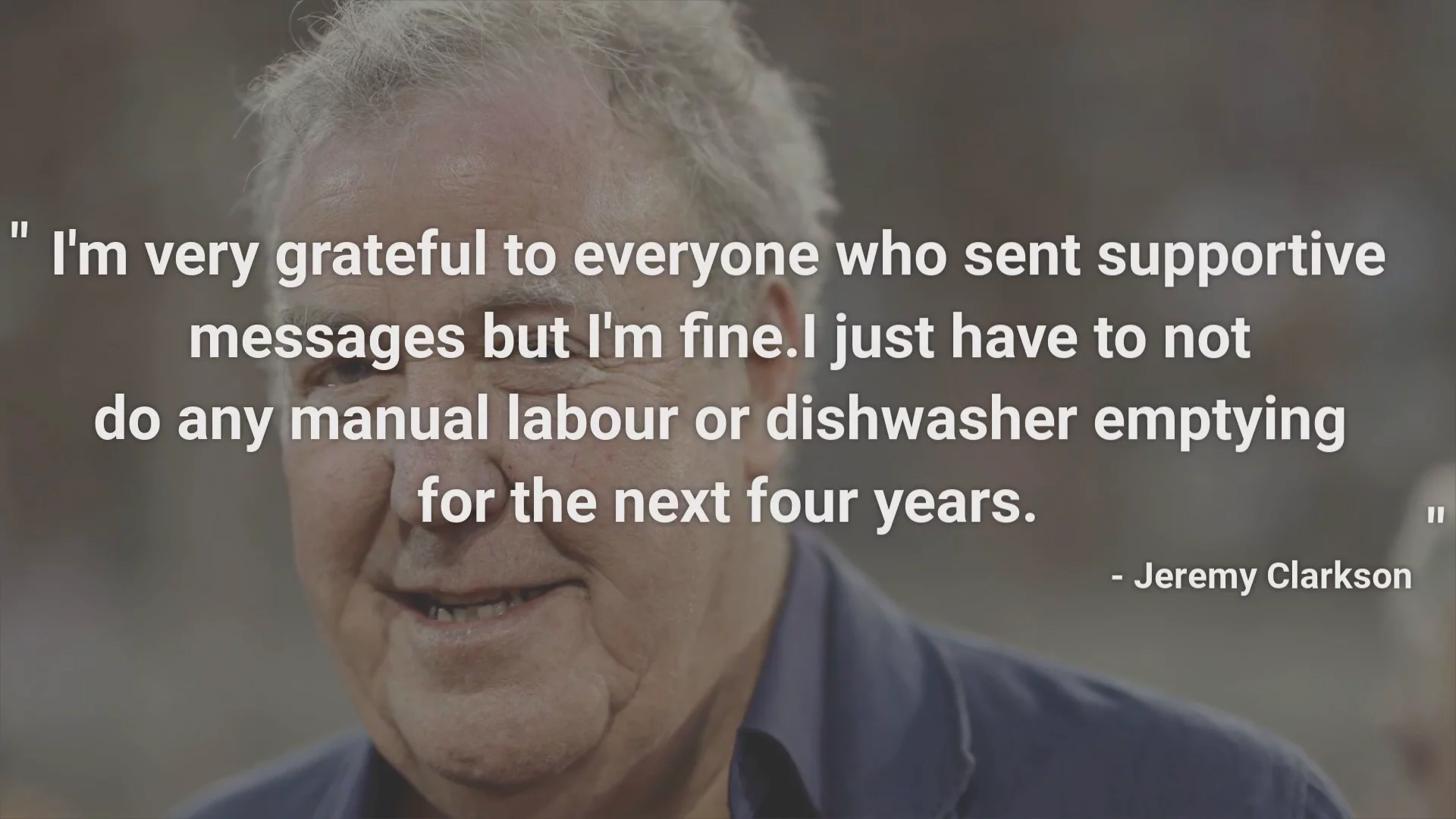
Clarkson has also addressed what should happen if he becomes incapacitated. He clearly states his wish not to be kept in a vegetative state and prefers that no “heroic efforts” be made to revive him after prolonged oxygen deprivation. In a final jab at political opponents, he humorously suggested that his life support remain active only until the Labour Party leaves Downing Street.
These statements reflect Clarkson’s desire for autonomy and control over his end-of-life care. They also illustrate how his personal beliefs and political views intertwine, even in discussions about death.
Conclusion
Jeremy Clarkson’s haunting reason for refusing to donate his organs after death offers a rare glimpse into the personal fears and beliefs that shape such a significant decision. His candid admission about spiritual doubts, combined with his unconventional funeral and burial plans, paints a vivid picture of a man determined to control his legacy on his own terms.
If Clarkson’s story has made you think about your own wishes regarding organ donation and end-of-life plans, now is the perfect time to take action. Consider discussing your preferences with loved ones and registering as an organ donor if you feel comfortable. Your decision could save lives and provide peace of mind for you and your family. Don’t wait—make your wishes known today.