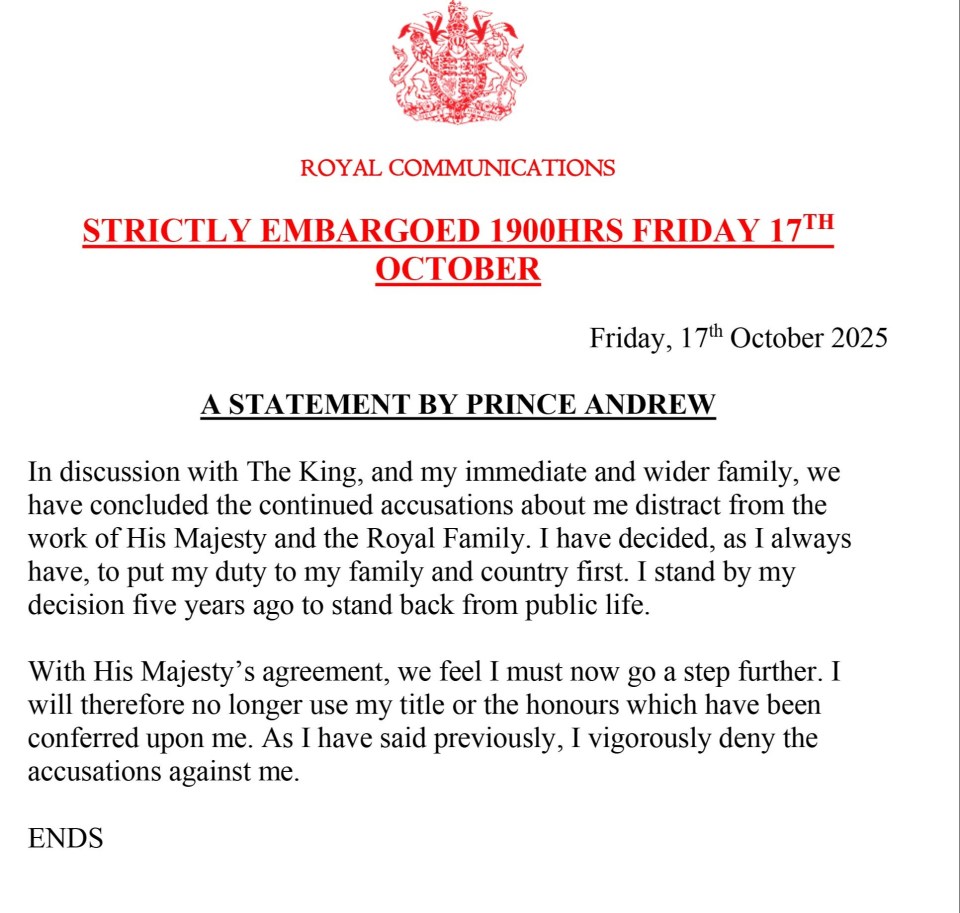
Why Prince Andrew Remains on the List of Royal Successors Despite Scandals
An insider has recently shed light on the reasons why Prince Andrew continues to be included in the line of succession to the British throne, even after being embroiled in multiple controversies. Despite facing significant public scrutiny and legal challenges, the Duke of York’s position within the royal family remains unchanged. This article explores the factors contributing to his ongoing status as a successor, the implications for the monarchy, and what this means for the future of the royal lineage.
The Insider’s Perspective on Prince Andrew’s Continued Succession Status
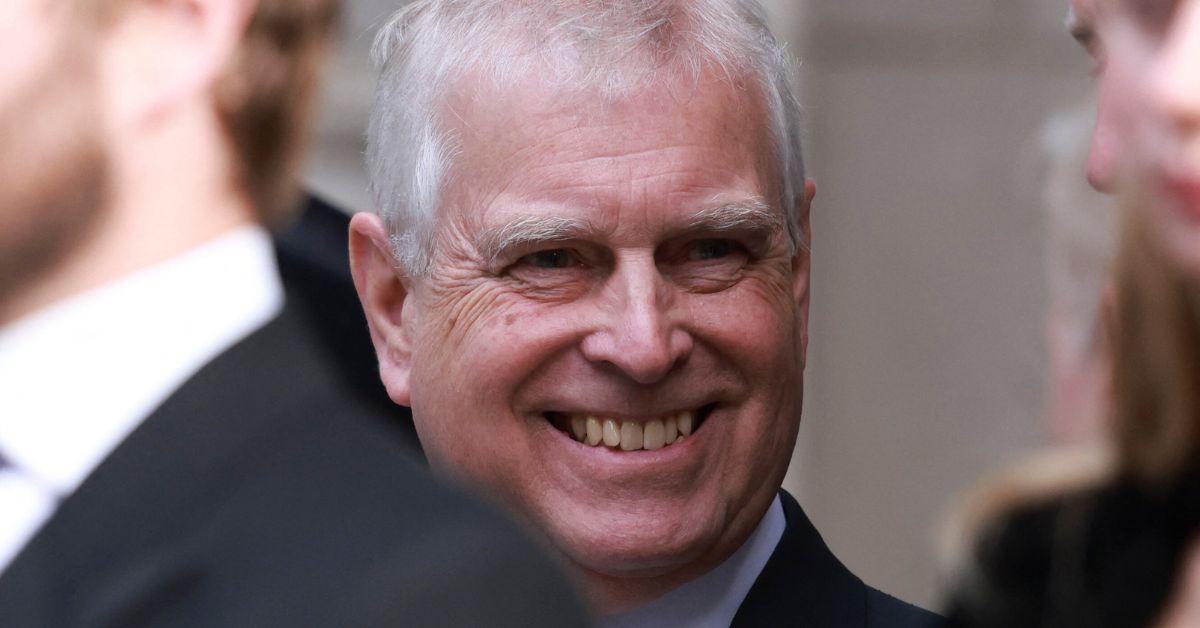
Prince Andrew, the Duke of York, has been at the center of numerous scandals over the past few years, ranging from allegations of misconduct to legal disputes. Many observers expected that these issues would lead to his removal from the list of successors. However, an insider close to the royal family has revealed that his place in the line of succession remains intact due to constitutional and traditional reasons.
The British monarchy operates under strict rules of succession that are governed by historical statutes and parliamentary acts. These rules do not provide a mechanism for removing an individual from the line of succession based on personal conduct or public opinion. As a result, despite the controversies surrounding Prince Andrew, he legally retains his position.
Furthermore, the insider explained that the royal family prefers to handle such matters discreetly to maintain stability and continuity. Publicly removing a senior royal from the succession list could set a precedent that might destabilize the monarchy. Instead, the family has opted to limit Prince Andrew’s public duties and appearances, effectively sidelining him without altering the official succession order.
Understanding the Line of Succession and Its Legal Framework
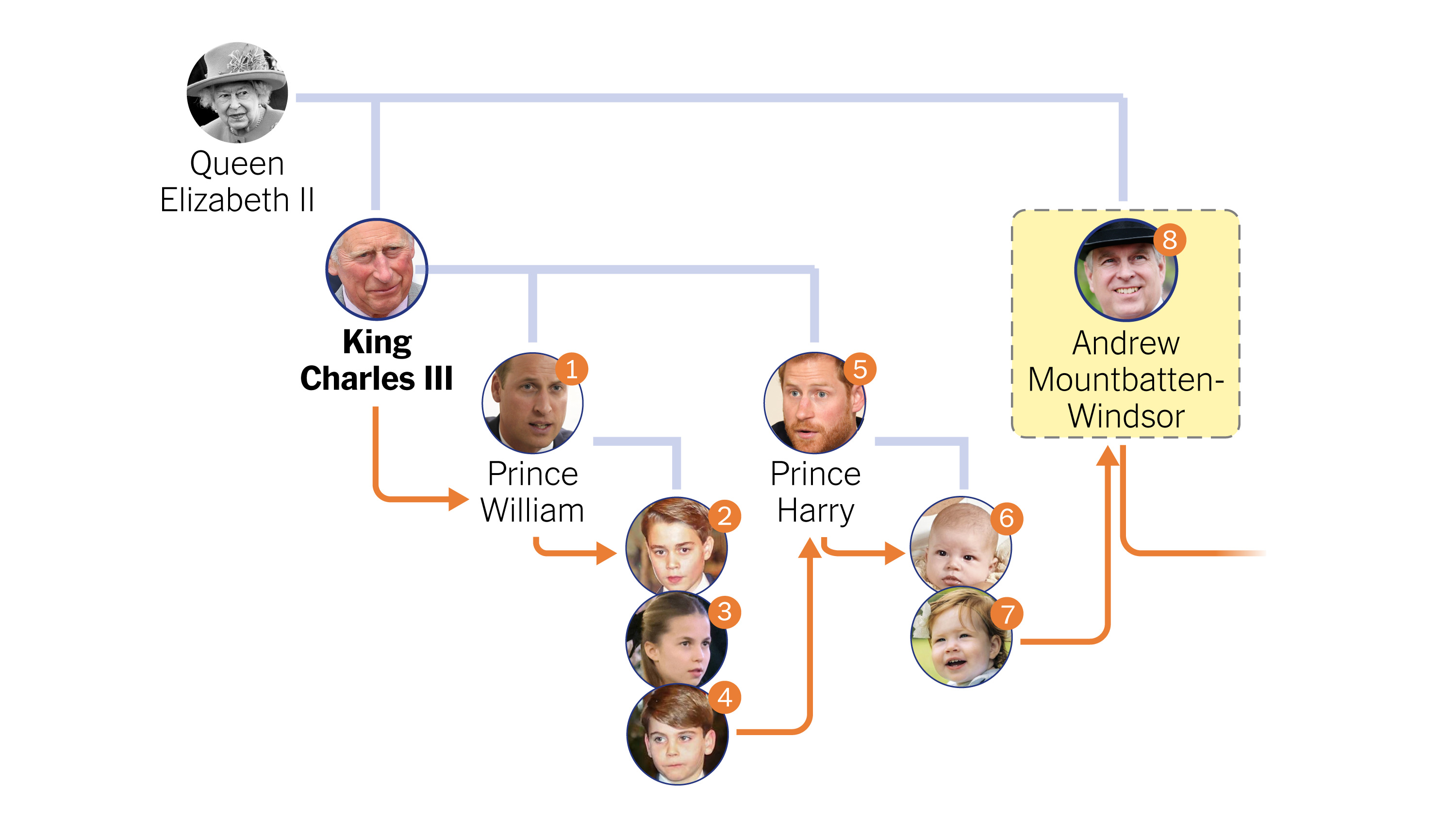
The line of succession to the British throne is determined by descent, legitimacy, religion, and Parliamentary statute. The most significant legislation governing succession includes the Act of Settlement 1701 and the Succession to the Crown Act 2013. These laws establish who is eligible to inherit the throne and under what conditions.
Importantly, these statutes do not include provisions for disqualification based on scandal or criminal allegations. Unless a successor voluntarily renounces their claim or is legally disqualified due to issues such as marrying a Catholic (which was recently amended), their place in the line remains secure.
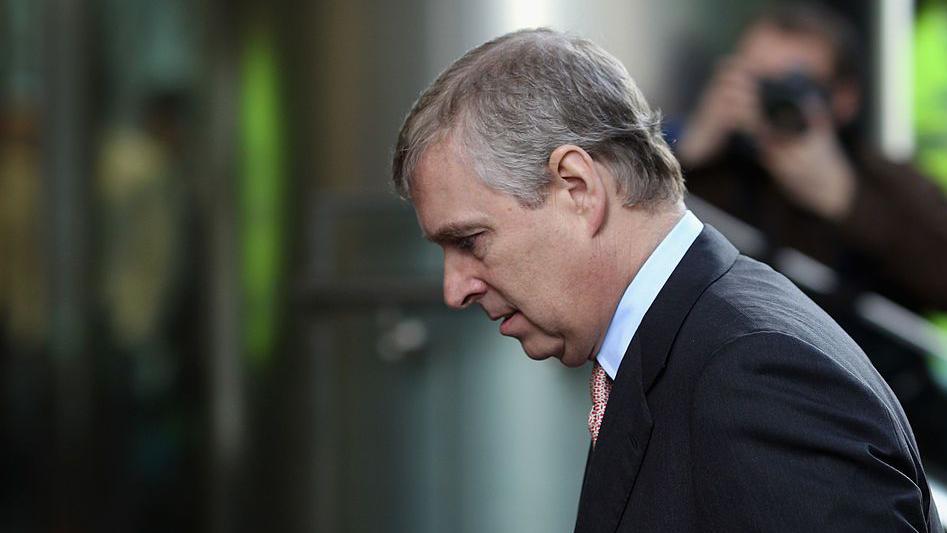
Prince Andrew’s situation highlights the rigidity of these rules. Although his public role has diminished, his legal position as a royal successor remains unaffected. This distinction between public duties and legal succession rights is crucial to understanding why he still appears on the official list.
The Impact of Scandals on Royal Reputation and Public Perception
While Prince Andrew’s position in the succession line is secure, the scandals have undeniably affected the reputation of the royal family. Public trust and support are vital for the monarchy’s survival, and controversies involving senior royals can erode this foundation.
The royal family has responded by distancing itself from Prince Andrew, with the Duke stepping back from official engagements and patronages. This approach aims to protect the institution’s image while adhering to constitutional constraints.
Experts suggest that the monarchy’s priority is to balance tradition with modern expectations. By maintaining Prince Andrew’s place in the succession but limiting his visibility, the royal family attempts to navigate a complex situation without triggering constitutional crises or public backlash.
What This Means for the Future of the British Monarchy
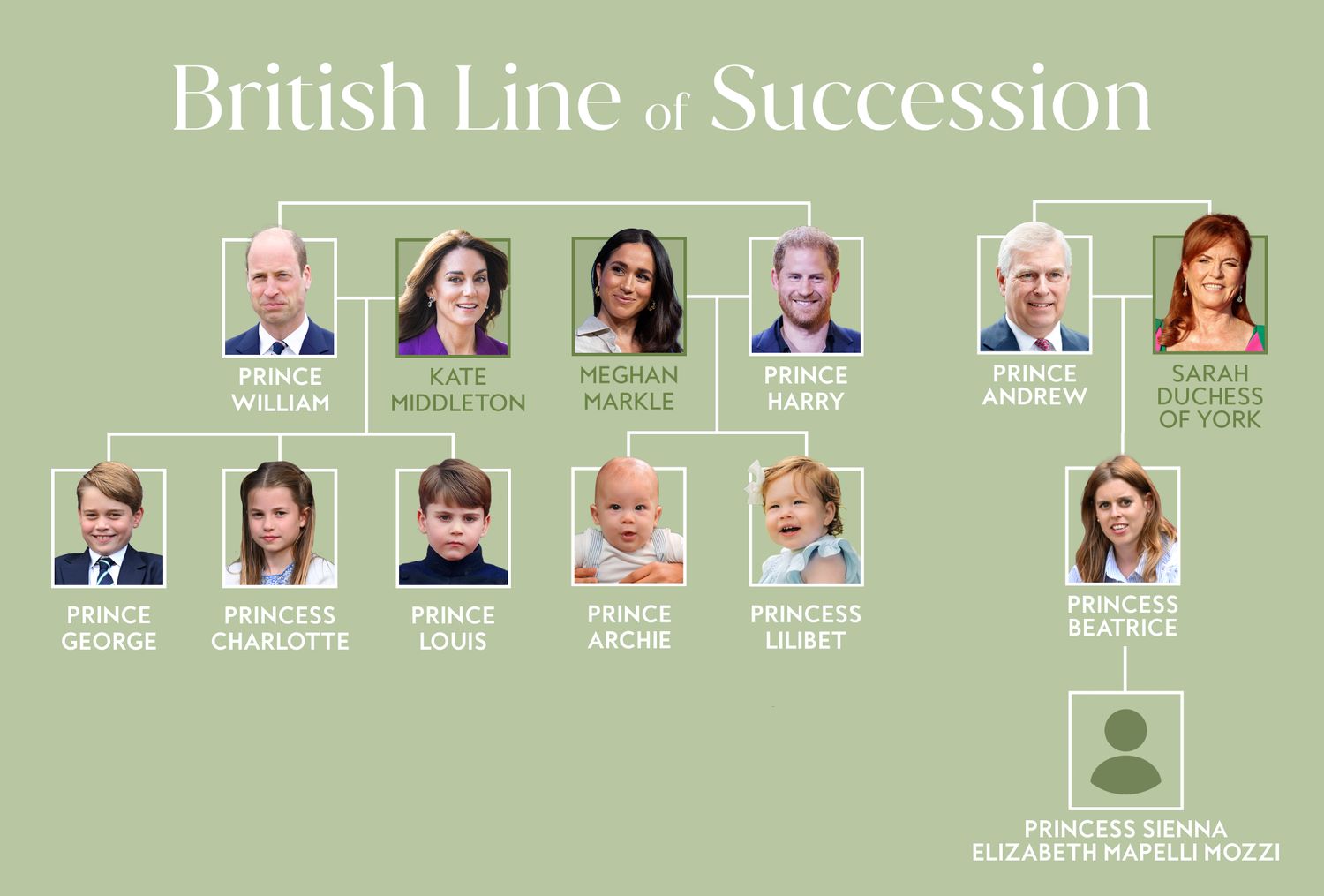
The insider’s revelations underscore the challenges the British monarchy faces in adapting to contemporary issues while preserving centuries-old traditions. Prince Andrew’s continued presence in the succession list exemplifies the tension between legal frameworks and public accountability.
Looking ahead, the monarchy may need to consider reforms that address such dilemmas more transparently. Discussions about succession laws and the role of senior royals are likely to continue as the institution evolves.
For now, Prince Andrew remains a royal successor in name, but his influence and involvement have been significantly curtailed. This situation serves as a reminder that the monarchy’s survival depends not only on legal statutes but also on maintaining public confidence and relevance in a changing world.
Conclusion
In summary, Prince Andrew remains on the list of royal successors due to the constitutional rules that govern the British monarchy, despite his involvement in multiple scandals. An insider’s perspective reveals that while his public role has been minimized, his legal position remains unchanged to preserve the monarchy’s stability. As the royal family navigates these challenges, the balance between tradition and modern expectations will continue to shape the future of the British crown.
If you want to stay updated on royal news and insights, be sure to subscribe to our newsletter for the latest information and expert analysis.