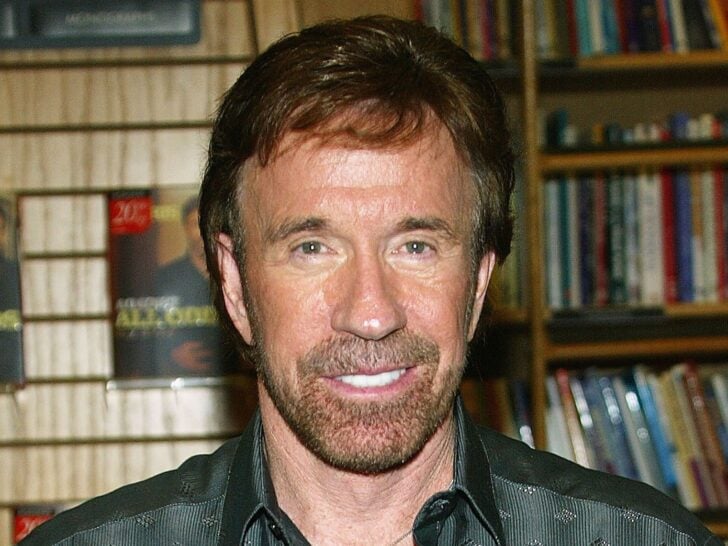
EXCLUSIVE: Chuck Norris’ ‘Vain’ Biggest Regret Revealed After Movie Hardman’s Death Aged 86
Chuck Norris’ Biggest Regret: A Vain Desire for Serious Recognition
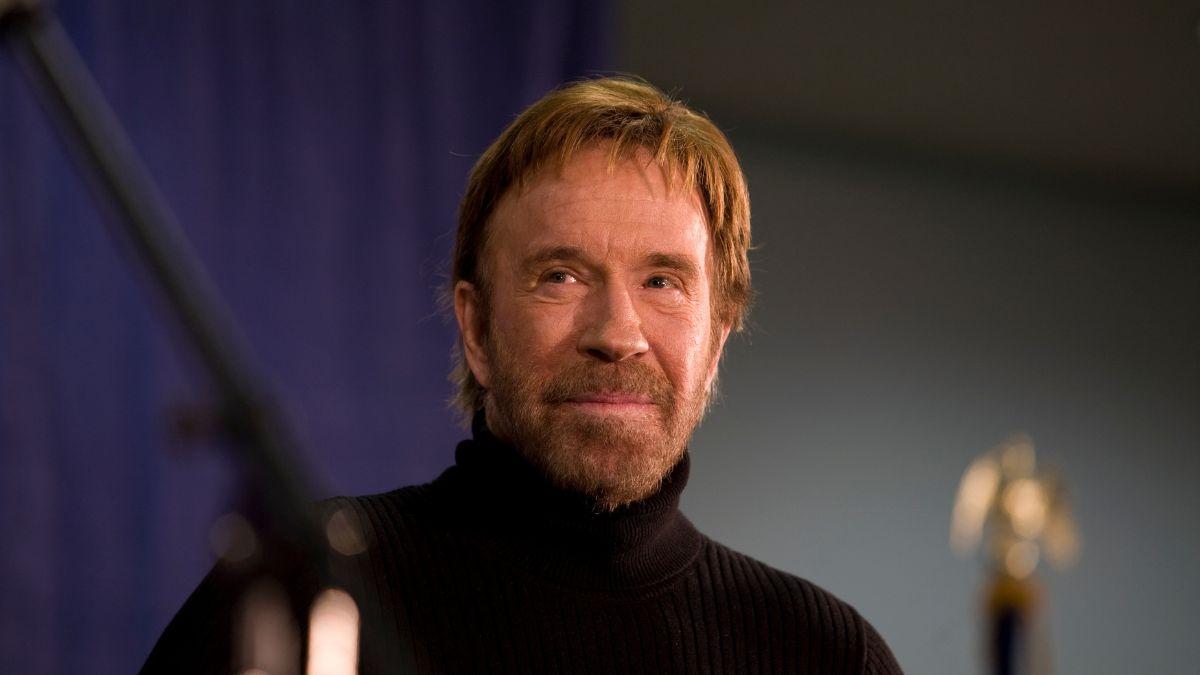
The world mourned the passing of Chuck Norris at the age of 86, a man whose name became synonymous with action, strength, and resilience. Yet behind the tough exterior and legendary status, Norris harbored a “vain” regret that few knew about during his lifetime. Sources close to the late star have revealed that despite his immense popularity and box office success, Norris longed to be taken seriously as an actor—a desire that remained unfulfilled and haunted him privately.
Born Carlos Ray Norris in Ryan, Oklahoma, in 1940, Chuck Norris rose from a challenging childhood marked by an abusive father and a move to California with his mother. His early life hardships forged a determination that would later define his career. After serving as a U.S. Air Force policeman and learning martial arts while stationed in South Korea, Norris became a karate champion before transitioning to the silver screen.
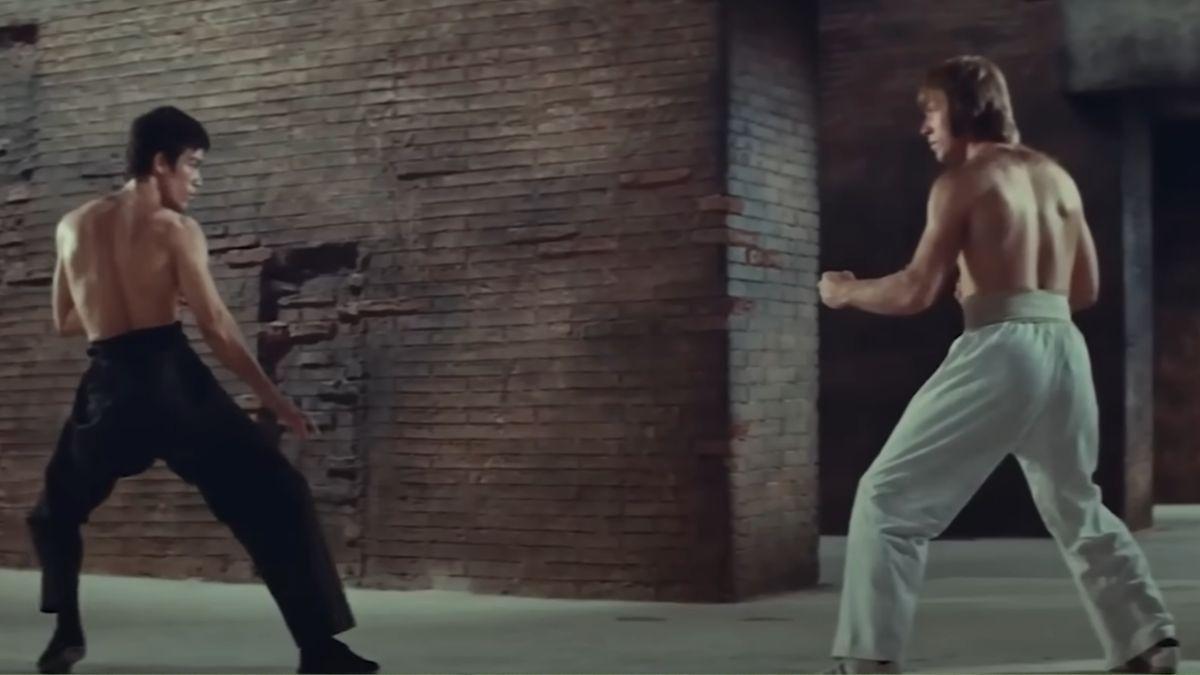
His breakthrough came with the 1972 film *The Way of the Dragon*, where he starred alongside Bruce Lee. This role cemented his status as a martial arts icon and launched a prolific film career with titles like *Breaker! Breaker!* and *Missing in Action*. Norris also became a household name through his role in the popular television series *Walker, Texas Ranger*, which ran for eight seasons and showcased his signature stoic hero persona.
The Private Struggles Behind the Public Persona
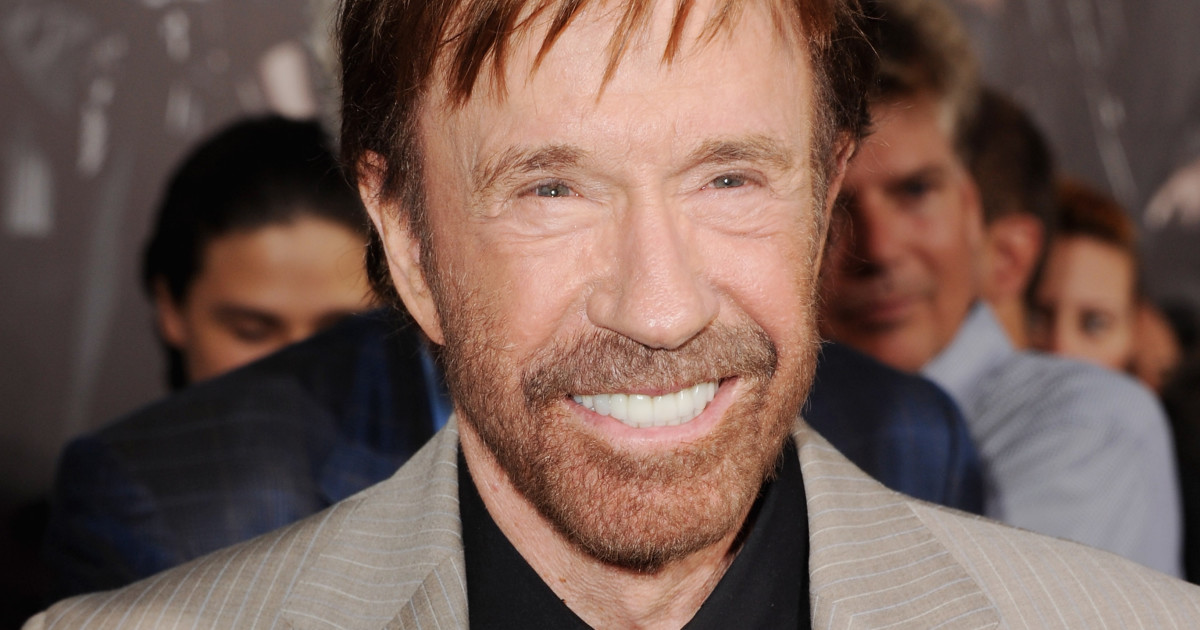
Despite his public image of invincibility and martial arts mastery, those close to Norris have shared that he privately wrestled with feelings of inadequacy as an actor. One longtime associate explained, “Chuck built an image of invincibility, but privately his biggest regret was that critics never took him seriously as an actor. It was something that stayed with him for years. It was out of vanity, as he really couldn’t act, but he really wanted to be regarded more seriously.”
Another insider added, “He knew audiences loved him, but there was always that sense he wanted recognition beyond the action roles, and he didn’t feel he got it.” This candid admission reveals a more vulnerable side of Norris, contrasting sharply with the tough-guy image he portrayed on screen.
Despite harsh criticism labeling him as one of the worst actors of his time, Norris maintained a loyal fanbase that admired his physical prowess and moral heroism. His characters often embodied justice and resilience, fighting against corruption and evil, which resonated deeply with audiences worldwide.
From Martial Arts Legend to Internet Phenomenon
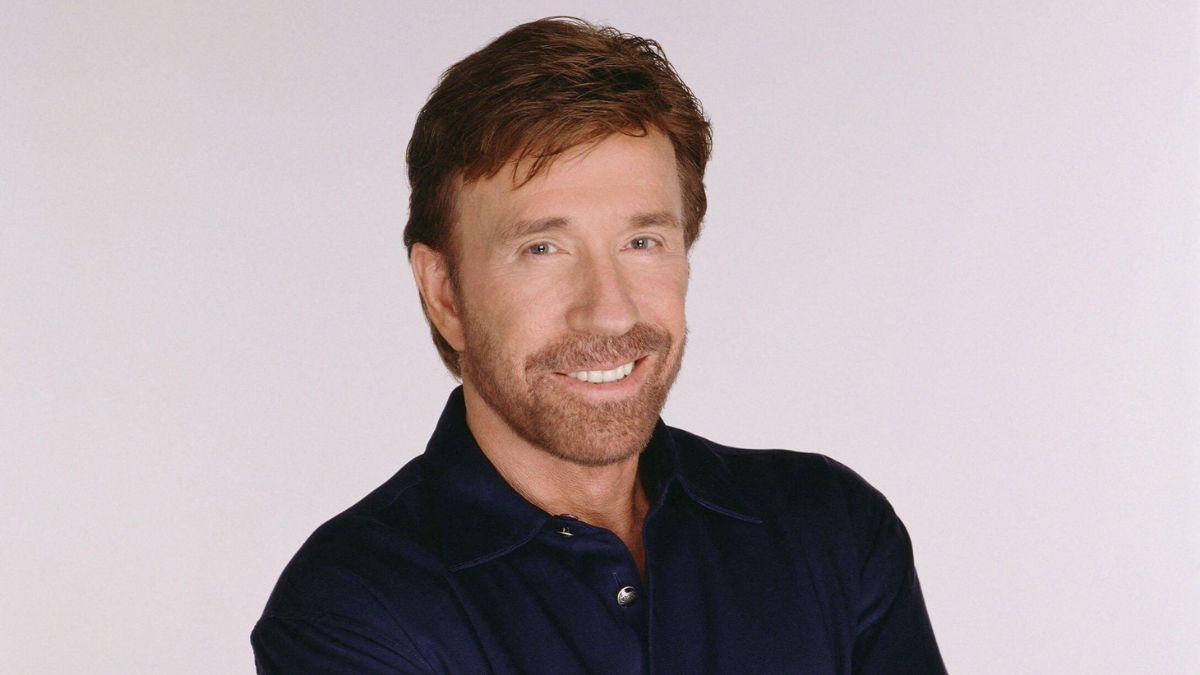
Beyond his film and television career, Chuck Norris became an unlikely cultural icon in the digital age. The early 2000s saw the rise of “Chuck Norris Facts,” a viral internet meme that humorously exaggerated his strength, toughness, and invincibility. These jokes introduced Norris to a new generation of fans and solidified his place in pop culture history.
In his final public message shared on Instagram for his 86th birthday, Norris appeared reflective and grateful. He wrote, “Nothing like some playful action on a sunny day to make you feel young. I’m grateful for another year, good health, and the chance to keep doing what I love.” He also expressed heartfelt thanks to his supporters: “Your support through the years has meant more to me than you’ll ever know.”
Following his passing, Norris’ family released a statement celebrating his life and legacy: “To the world, he was a martial artist, actor, and a symbol of strength. To us, he was a devoted husband, a loving father and grandfather, an incredible brother, and the heart of our family.” They emphasized his faith, purpose, and unwavering commitment to loved ones, highlighting the profound impact he had beyond the screen.
Legacy and Lessons from a Life Well Lived
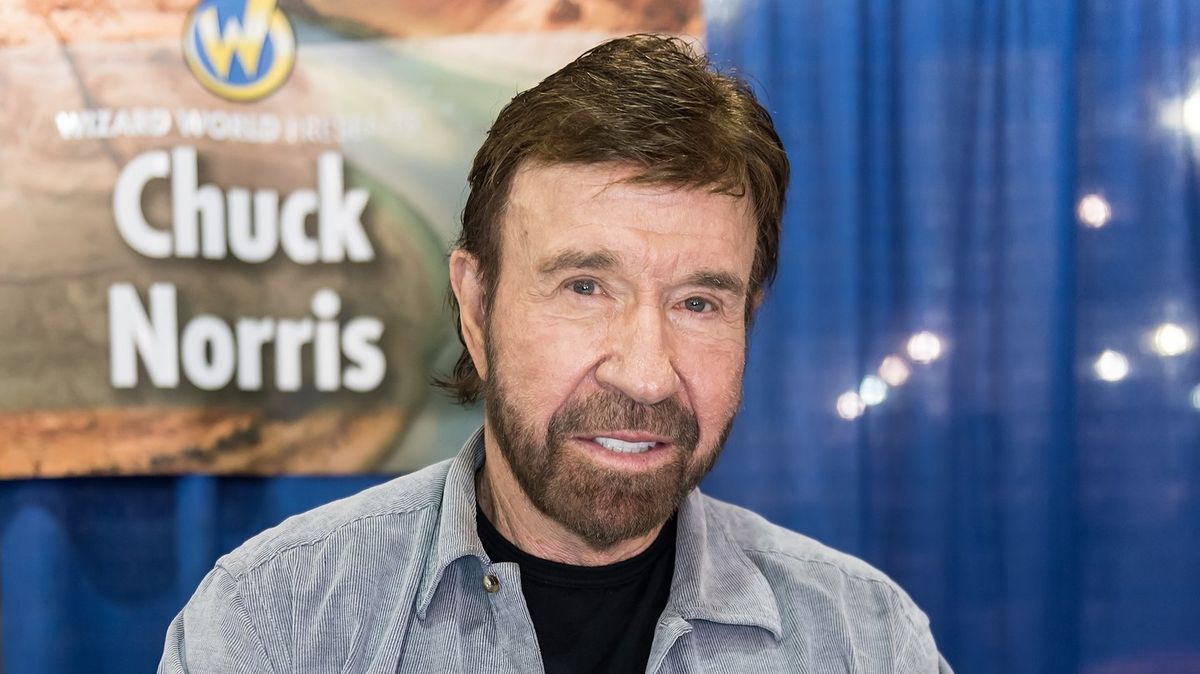
Chuck Norris’ early experiences shaped much of his worldview and career trajectory. Reflecting on his upbringing, he once said, “My father was negligent, abusive, exactly the kind of person I didn’t want to be.” This resolve fueled his dedication to martial arts and discipline, which later inspired countless fans and students, including celebrities like Steve McQueen and Priscilla Presley.
Encouraged by McQueen to pursue acting, Norris carved out a unique niche in Hollywood, even if mainstream critical acclaim eluded him. His 1984 film *Missing in Action*, inspired partly by the tragic death of his younger brother Wieland in Vietnam, became one of his signature roles. Norris described that loss as “the saddest day of my life,” underscoring the personal struggles behind his public persona.
Politically outspoken, Norris was known for his conservative views and close ties with Republican figures such as George Bush and Ronald Reagan. He advocated for gun rights and military policies, reflecting his lifelong commitment to discipline and patriotism.
Even as his mainstream acting career slowed, Norris’ influence endured through his internet fame and the timeless appeal of his action hero image. Yet, as those who knew him reveal, this image masked a complex relationship with his craft and legacy—a man who, despite his fame, quietly yearned for deeper artistic respect.
Conclusion
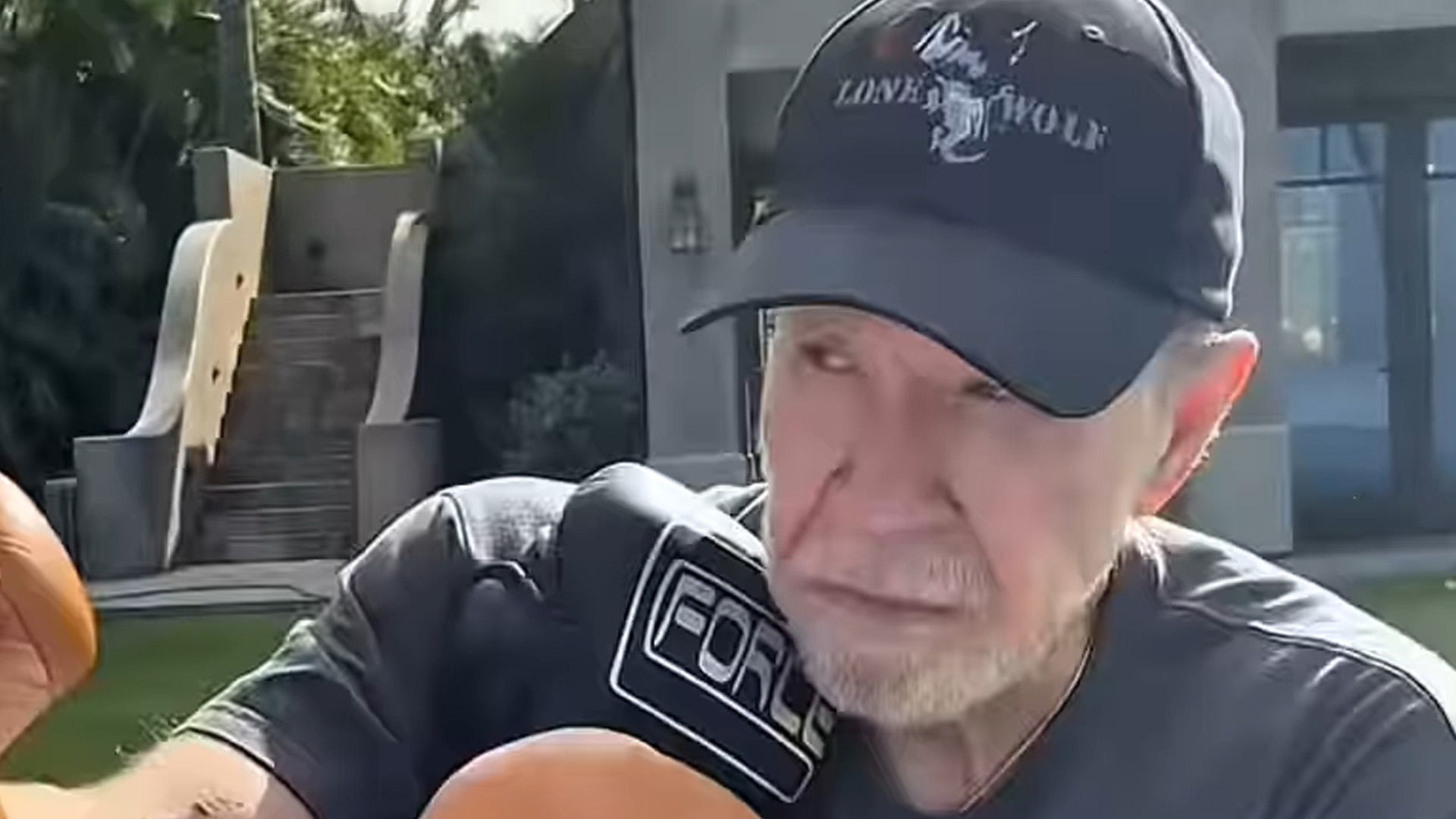
Chuck Norris’ death at 86 marks the end of an era for action cinema and martial arts culture. His legacy is one of strength, perseverance, and an indelible impact on popular culture. Yet, the revelation of his “vain” biggest regret—that he was never fully taken seriously as an actor—adds a poignant layer to his story, reminding us that even legends have their vulnerabilities.
If you want to honor Chuck Norris’ memory and explore more about his life and career, stay tuned for upcoming tributes and retrospectives. Celebrate the man behind the myth and discover the true legacy of this iconic hardman.
Don’t forget to share this article and join the conversation about Chuck Norris’ enduring influence!