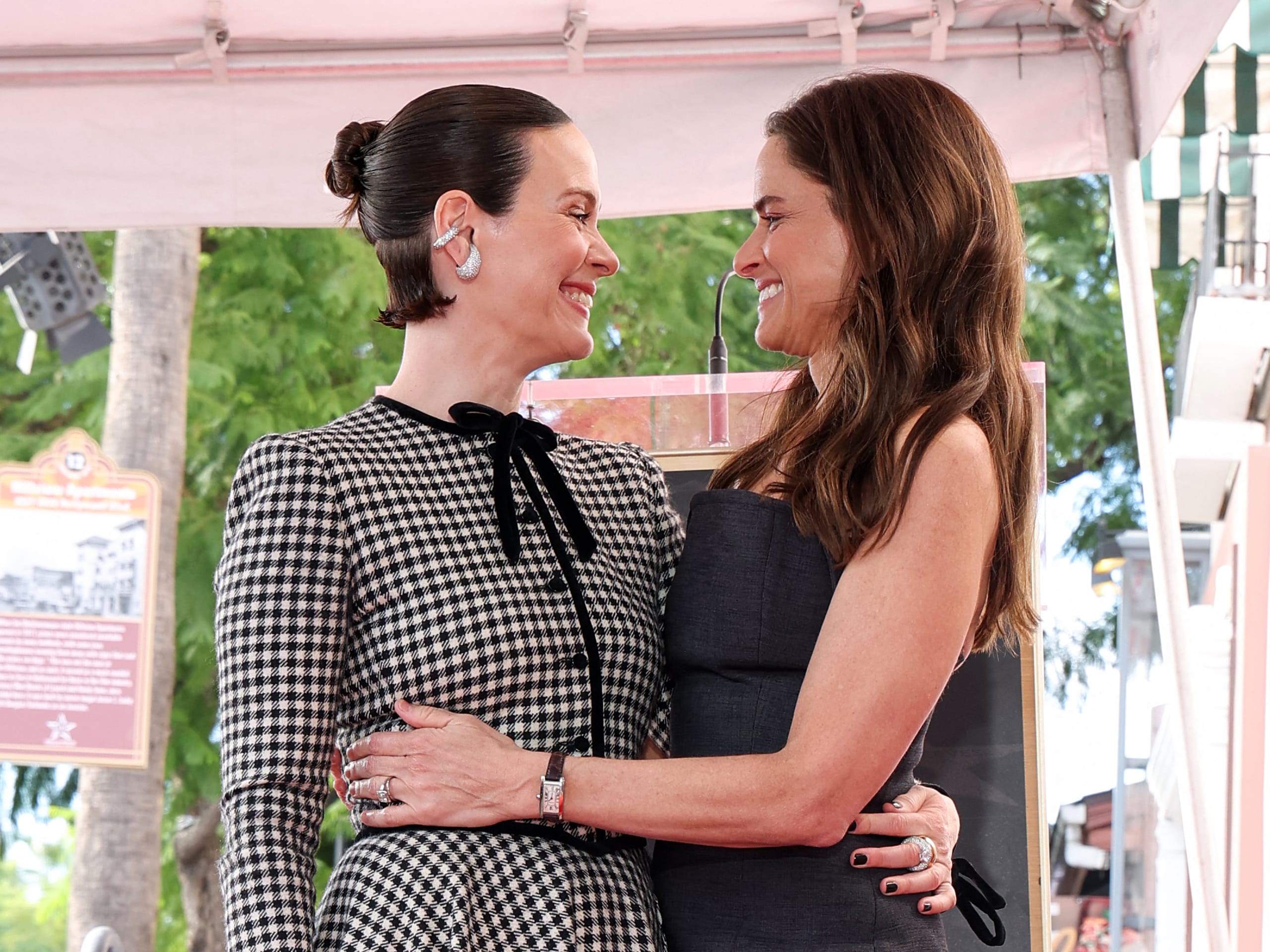
Amanda Peet Says She Battled Breast Cancer as Both of Her Parents Died
Amanda Peet Opens Up About Her Breast Cancer Diagnosis

Amanda Peet, the acclaimed actress known for her roles in films and television, recently revealed a deeply personal and challenging chapter of her life: her battle with breast cancer. In a heartfelt essay published in The New Yorker, Peet detailed the emotional and physical struggles she faced after being diagnosed with lobular breast cancer, all while coping with the deaths of both her parents.
Her diagnosis came unexpectedly during a routine ultrasound on August 29, when her doctor noticed an abnormality. A biopsy confirmed the presence of a small tumor. Tragically, this news coincided with the loss of her father, who passed away during the same Labor Day weekend. Peet described the surreal experience of confronting her own mortality while witnessing her parents’ final moments in hospice care on opposite coasts.
The Emotional Toll of Facing Cancer and Family Loss Simultaneously

Amanda Peet’s story is not just about a medical diagnosis but also about navigating profound grief. She shared how she was unable to inform her mother, who was suffering from late-stage Parkinson’s disease, about either her father’s passing or her own cancer diagnosis. Her mother’s condition left her with limited awareness, sometimes responding with simple “yes” or “no” answers but mostly lost in an empty stare.
Peet’s essay poignantly captures the complexity of emotions she endured—balancing panic about her cancer with the sorrow of losing her parents. She recounted the moment she saw her father’s body after his death, describing the experience as both a moment of grief and a strange reprieve from the anxiety about her own health.
Understanding Lobular Breast Cancer: Amanda Peet’s Diagnosis
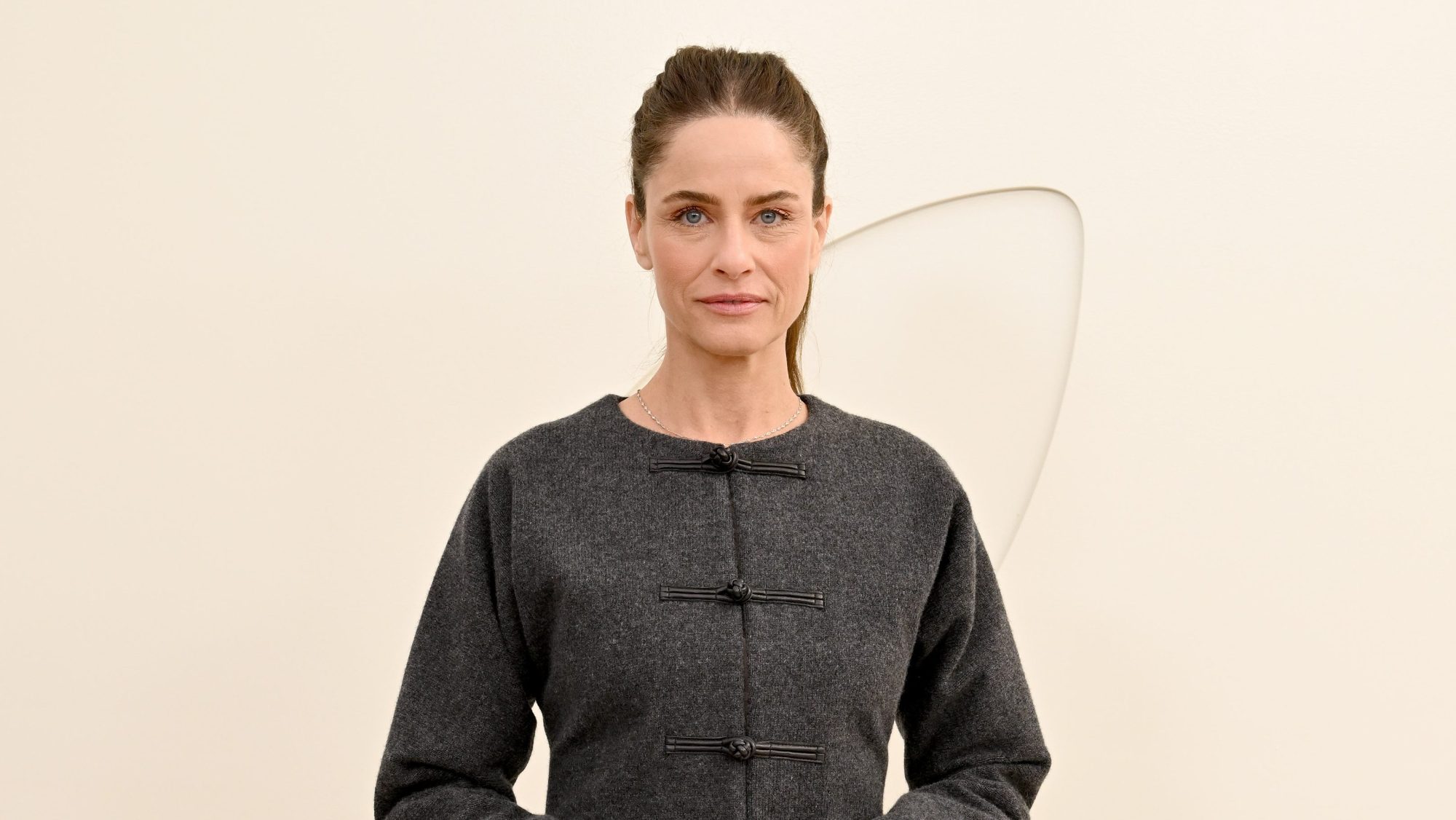
One of the key aspects Amanda Peet highlighted in her essay was the nature of her breast cancer diagnosis. She was diagnosed with lobular breast cancer, a less common but more insidious form compared to the typical ductal breast cancer. Peet explained that lobular breast cancer is often underestimated in size during scans and has a more challenging prognosis.
Despite her husband’s advice to avoid internet research, Peet found herself diving into medical articles about lobular breast cancer. She learned that even when caught early, this type of cancer carries a higher risk over time, with statistics showing that only half of patients might survive after ten years. This knowledge added to her anxiety but also fueled her determination to fight the disease.
Fortunately, doctors discovered a second tumor in the same breast, which was benign. This finding allowed her to opt for a lumpectomy and radiation treatment instead of more aggressive options like chemotherapy or mastectomy, offering some relief amid the uncertainty.
Sharing the Diagnosis with Her Children
Amanda Peet also opened up about the difficult conversations she had with her three children—Frances, Molly, and Henry—about her cancer diagnosis. Following her therapist’s guidance, she chose honesty over maintaining a facade of strength. The reactions of her daughters were raw and genuine: Molly cried, while Frances, who was away at college, was initially shocked but relieved to hear that the cancer was Stage I and that chemotherapy might be unnecessary.
Peet emphasized the importance of having open and difficult conversations within families, especially when facing life-altering news. She believes that such transparency is essential for maintaining close, lifelong relationships with her children.
The Impact of Loss and Healing

The timing of Amanda Peet’s cancer diagnosis amidst the deaths of her parents added layers of complexity to her healing process. She described her father’s death as a typical hospice experience, while her mother’s passing was marked by a more poetic and painful decline due to Parkinson’s disease. Peet was present during her mother’s final moments, a bittersweet experience that underscored the fragility of life.
Two weeks after receiving her first clear scan indicating remission, Peet arranged her mother’s funeral, symbolizing a turning point in her journey toward recovery and acceptance.
Finding Strength Through Vulnerability
Amanda Peet’s candid essay serves as a powerful reminder of the strength found in vulnerability. By sharing her story, she not only raises awareness about lobular breast cancer but also highlights the emotional resilience required to face multiple hardships simultaneously.
Her experience encourages others battling cancer or coping with loss to seek support and communicate openly with loved ones. Peet’s journey is a testament to hope, courage, and the human spirit’s capacity to endure.
Conclusion
Amanda Peet’s courageous battle with breast cancer, compounded by the heartbreaking loss of both her parents, is a story of resilience and hope. Her openness about her diagnosis, treatment, and emotional struggles offers inspiration to many facing similar challenges. If you or someone you love is dealing with breast cancer, remember that you are not alone. Reach out to healthcare professionals, support groups, and loved ones to find the strength and resources needed for your journey. Stay informed, stay strong, and never hesitate to share your story.
For more inspiring stories and the latest updates on breast cancer awareness and treatment, subscribe to our newsletter and join a community dedicated to support and empowerment.