Donald Trump’s DOJ Accused of Shredding ‘Huge Amounts’ of Jeffrey Epstein Files After His Death
Allegations of Document Destruction by Trump’s DOJ Following Epstein’s Death
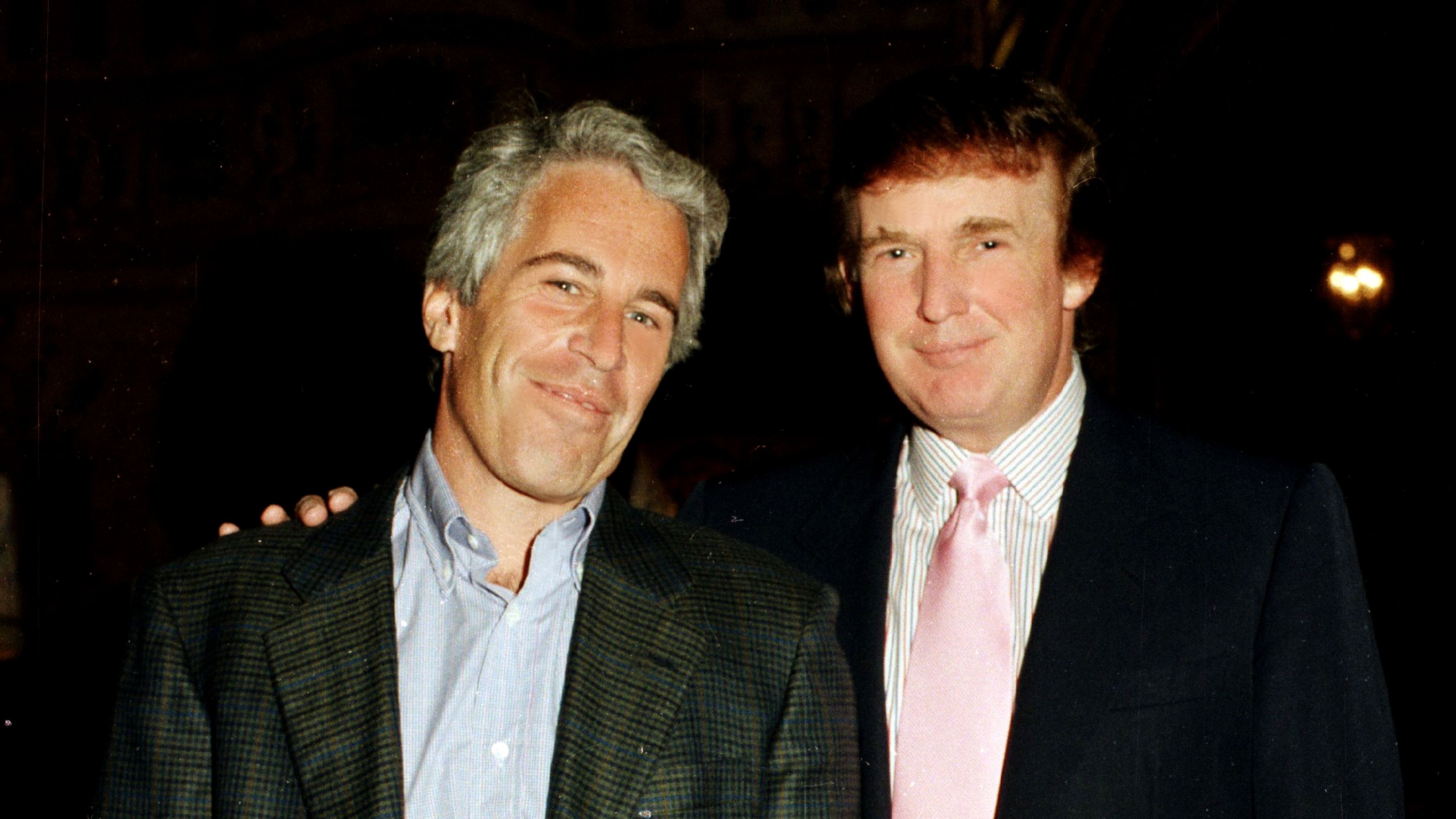
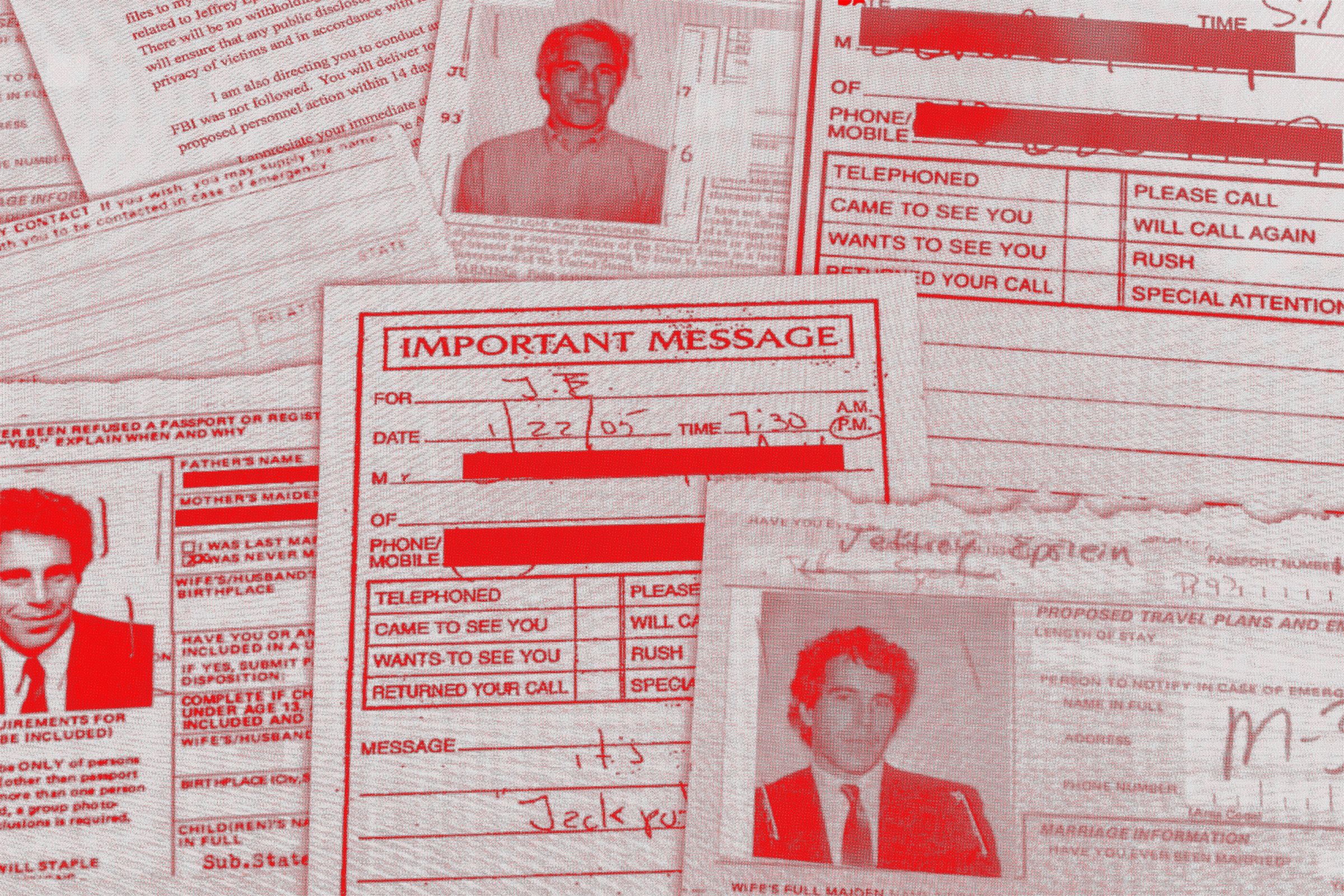
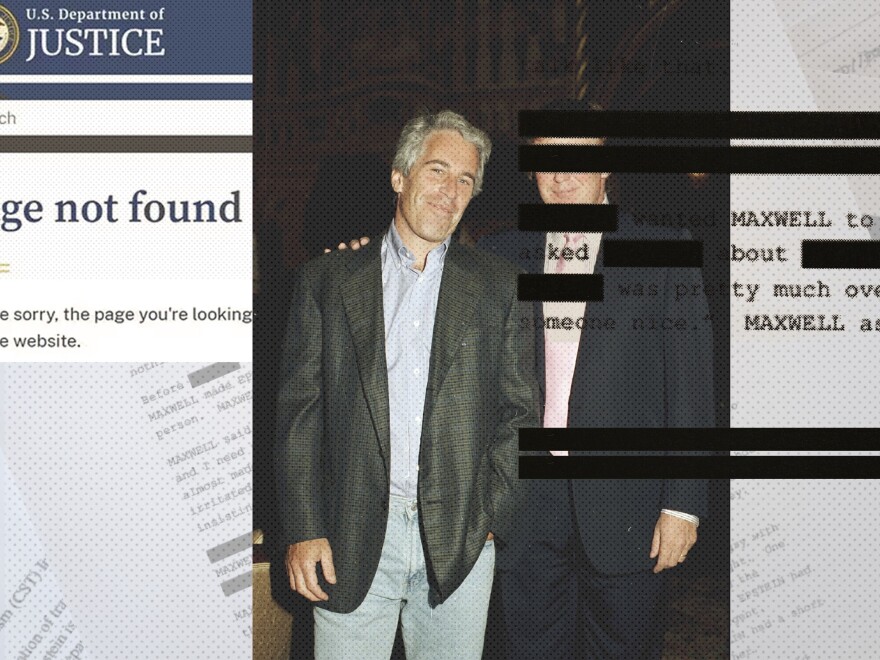
In the aftermath of Jeffrey Epstein’s death in August 2019, Donald Trump’s Department of Justice (DOJ) has come under intense scrutiny. Newly surfaced reports reveal that large volumes of paperwork connected to Epstein were allegedly shredded and discarded in the days following his death at the Metropolitan Correctional Center (MCC) in New York. These allegations have sparked widespread concern about the potential loss of crucial evidence and the integrity of the federal investigation into Epstein’s suspicious death.
According to documents obtained by investigative outlets, a Bureau of Prisons review team was dispatched to the MCC shortly after Epstein was found dead. Rather than solely conducting an internal review, witnesses claim they observed a continuous stream of shredded documents being removed from the facility. One report described the unprecedented volume of shredded paperwork, noting that staff had never seen such an extensive amount of documents being destroyed so rapidly.
The timing of this shredding activity is particularly troubling, as multiple federal agencies—including the FBI and the Office of the Inspector General—were actively investigating the circumstances surrounding Epstein’s death. The destruction of these files during an ongoing inquiry raises serious questions about whether critical information was deliberately concealed or lost.
Details from the Report: A Chaotic Scene of Document Disposal

Eyewitness accounts paint a chaotic picture of the shredding operation. The report indicates that the after-action team, tasked with assessing what went wrong at the MCC, was instead engaged in destroying paperwork in bulk. One witness described seeing several bags of shredded documents being carried out and dumped into a dumpster behind the facility. The report quotes an individual involved in the process urging others to “make sure you get that box too,” suggesting a deliberate effort to eliminate as much material as possible.
Further raising suspicion, the dumpster containing the shredded documents was scheduled for pickup within days, with instructions emphasizing the urgency of removing the shredded paper before the collection deadline. This haste implies an intent to prevent any recovery or examination of the discarded files.
The report’s revelations have fueled public skepticism about the official narrative of Epstein’s death, which was ruled a suicide by authorities despite numerous unanswered questions. The fact that such a large amount of paperwork related to Epstein’s incarceration and death was shredded during an active investigation has intensified calls for transparency and accountability.
Context: Epstein’s Death and the Fallout

Jeffrey Epstein, a wealthy financier with connections to powerful figures, was arrested on sex trafficking charges in July 2019. His death in federal custody less than a month later shocked the nation and triggered widespread conspiracy theories. The official cause of death was ruled suicide by hanging, but many have questioned the circumstances, especially given the numerous irregularities reported at the MCC.
Then-Attorney General William Barr publicly expressed his dismay over the situation, describing the events as “appalling” and acknowledging that serious questions remained unanswered. Investigations revealed that prison guards failed to perform mandatory checks on Epstein and allegedly falsified records, though criminal charges against the guards were eventually dropped.
The alleged shredding of documents by the DOJ adds another layer of complexity to the case. Critics argue that destroying such a “huge amount” of paperwork could obstruct justice and prevent a full understanding of Epstein’s activities and the conditions leading to his death.
Why the Allegations Matter: Implications for Justice and Transparency
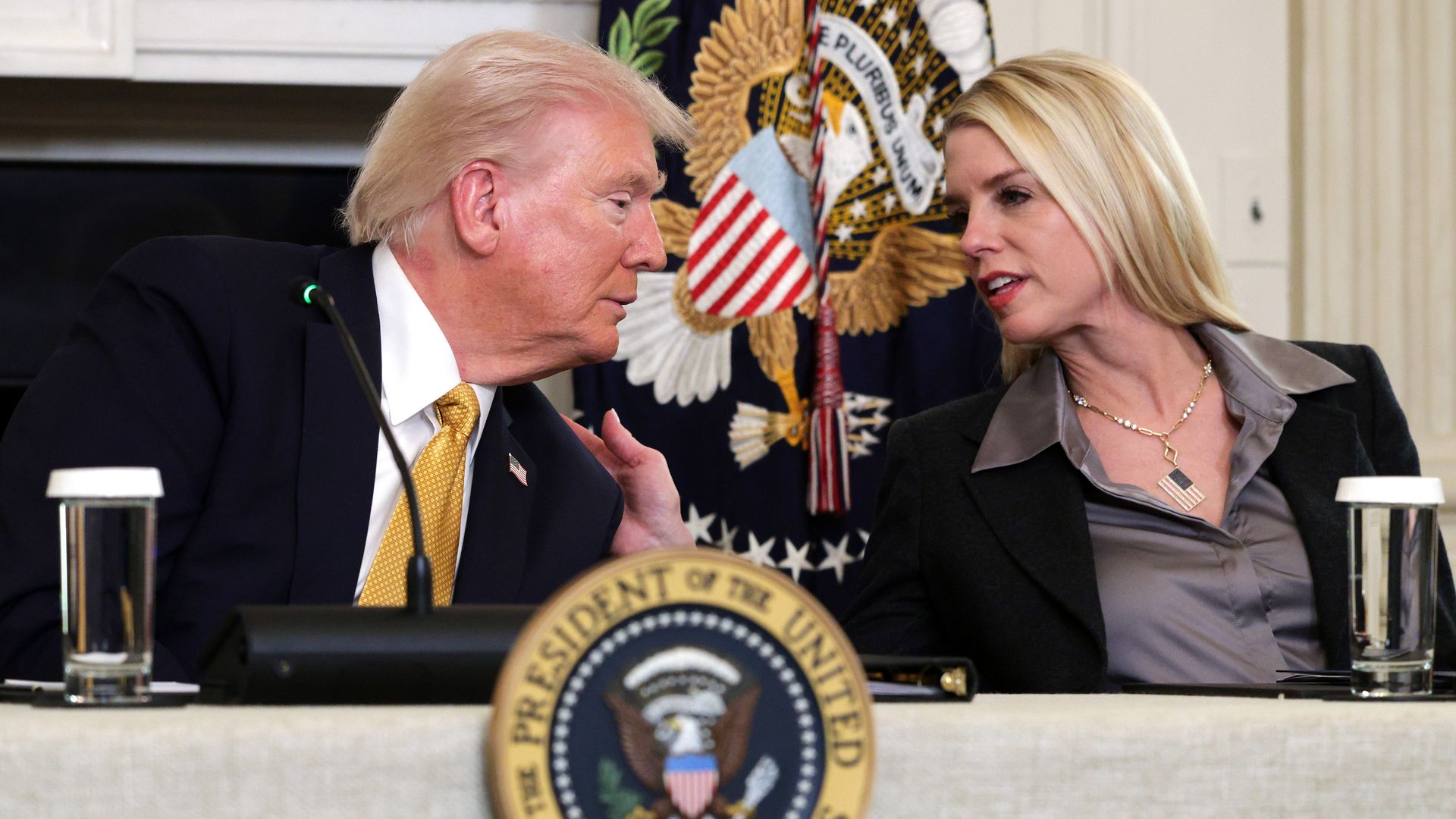
The accusations against Donald Trump’s DOJ have significant implications for public trust in the justice system. If true, the destruction of Epstein-related documents during an active investigation undermines the principles of transparency and accountability that are fundamental to federal law enforcement.
Preserving evidence is critical in any investigation, especially one involving high-profile figures and sensitive allegations. The loss of documents could hinder efforts to uncover the truth about Epstein’s network, potential co-conspirators, and the circumstances of his death. It also raises concerns about whether there was an intentional cover-up to protect influential individuals.
Legal experts emphasize that such actions, if verified, could constitute obstruction of justice and warrant further inquiry. The public and lawmakers alike have demanded a thorough examination of the DOJ’s conduct during this period, including calls for independent investigations into the shredding allegations.
Calls for Accountability and Further Investigation
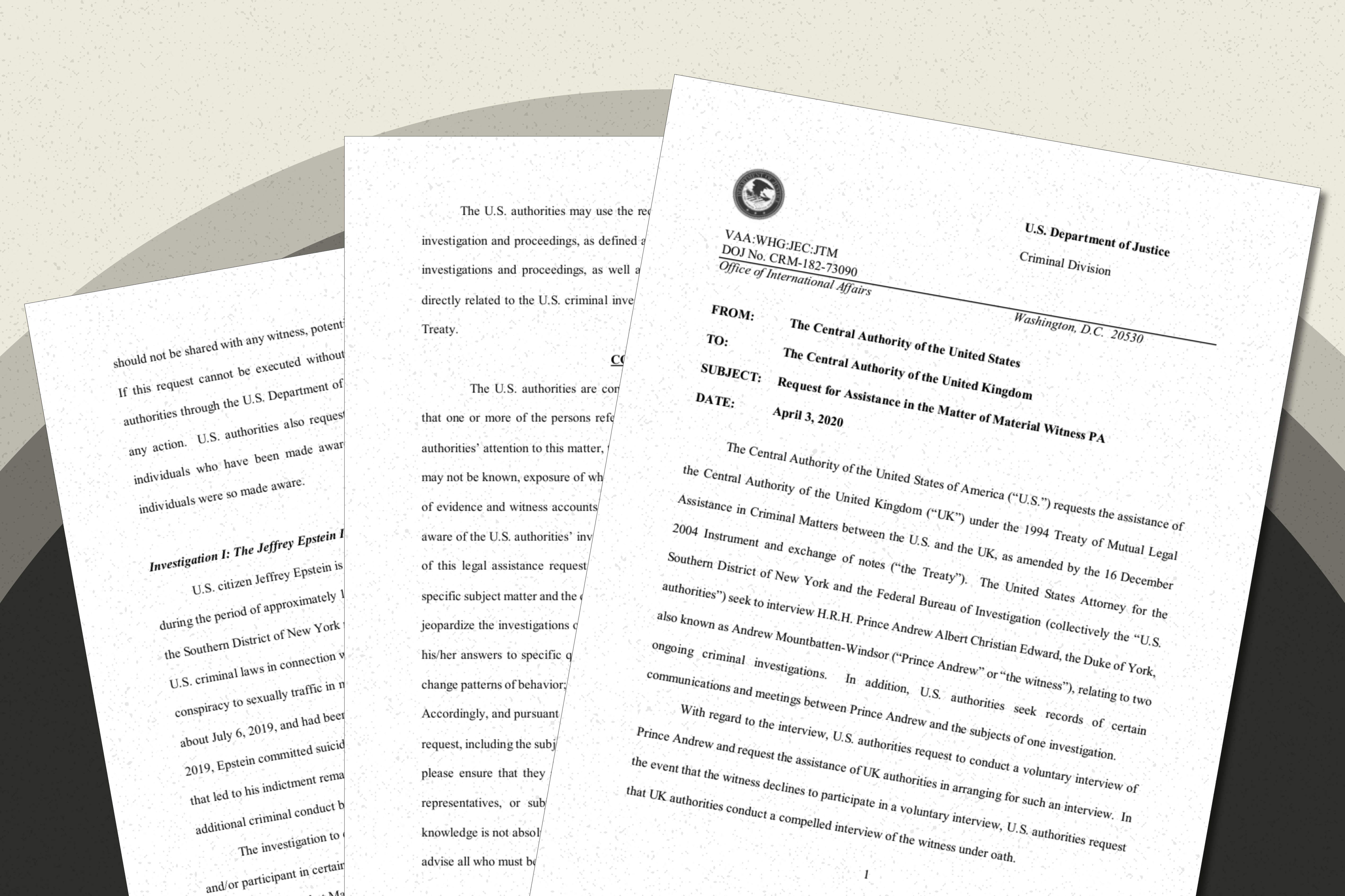
In response to these revelations, advocacy groups, victims’ representatives, and some members of Congress have intensified their demands for answers. They argue that the DOJ must provide a full accounting of what documents were destroyed, who authorized the shredding, and why it occurred amid an ongoing investigation.
Transparency advocates stress the importance of safeguarding evidence in cases involving powerful figures like Epstein. They warn that failure to address these allegations could erode confidence in the justice system and perpetuate a culture of impunity.
As the controversy continues to unfold, it remains to be seen whether additional information will come to light and what consequences, if any, will be faced by those responsible for the alleged document destruction.
Conclusion
The accusations that Donald Trump’s DOJ shredded “huge amounts” of Jeffrey Epstein files shortly after his death raise profound concerns about justice, transparency, and accountability. With Epstein’s death still shrouded in mystery and controversy, the alleged destruction of critical documents threatens to obscure the truth and hinder ongoing efforts to uncover the full story. It is essential for federal authorities to conduct a comprehensive investigation into these claims and ensure that justice is served. Stay informed and demand transparency—your voice matters in holding powerful institutions accountable.