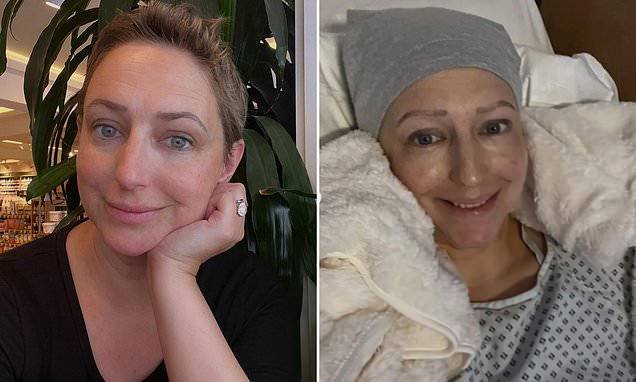
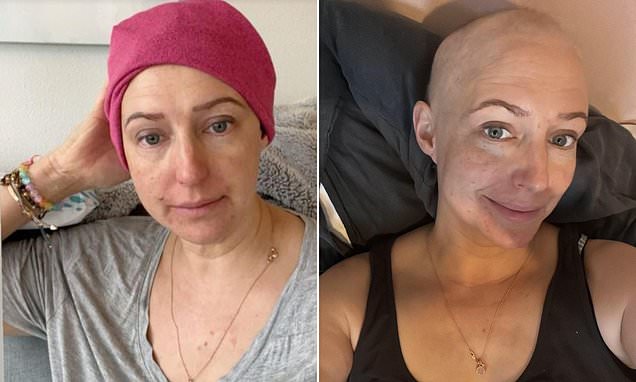
Hollyoaks’ Ali Bastian Shares ‘Brutal’ Treatment After Cancer That ‘Took Its Toll’
Ali Bastian Reveals the Harsh Reality of Post-Cancer Treatment
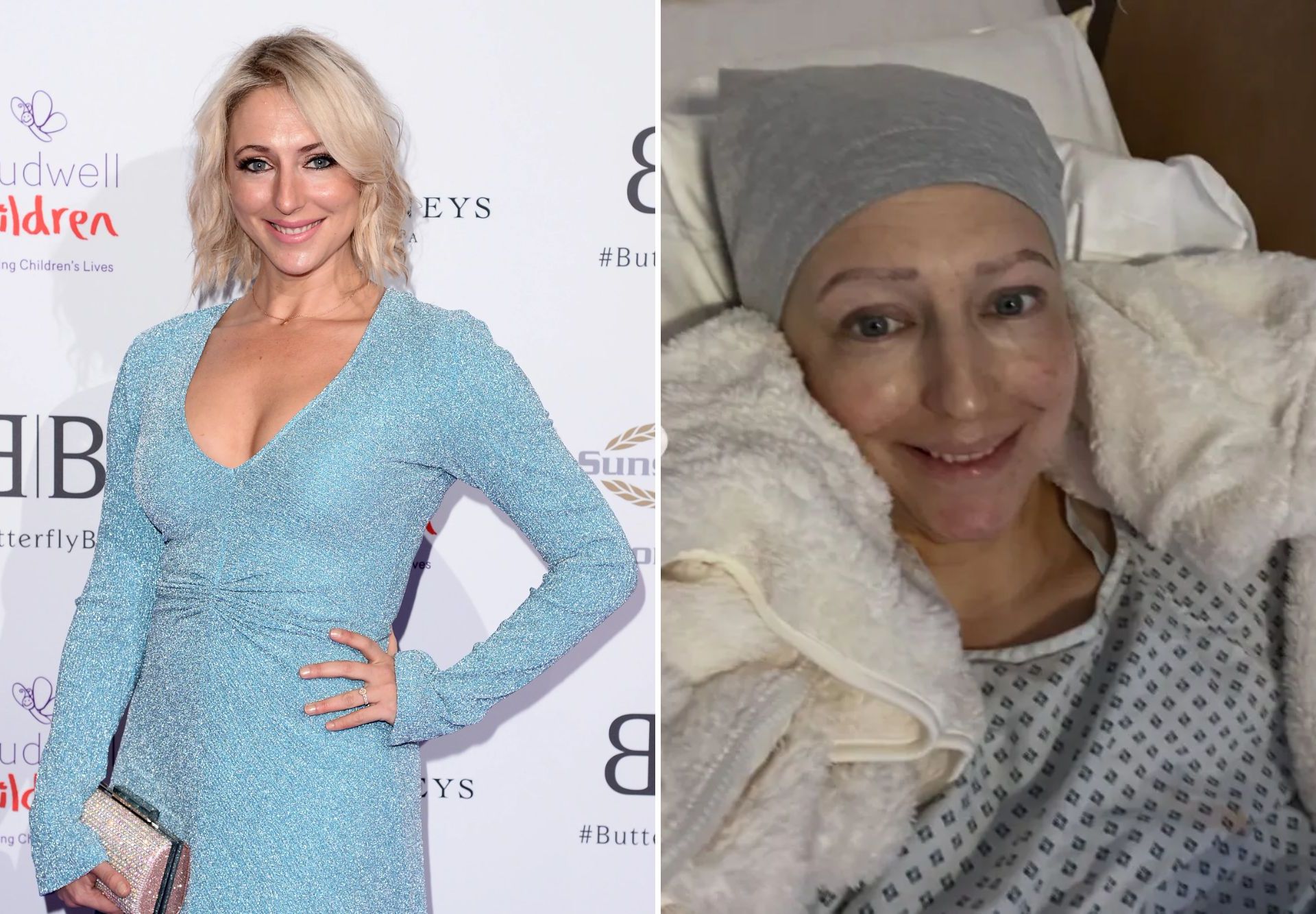
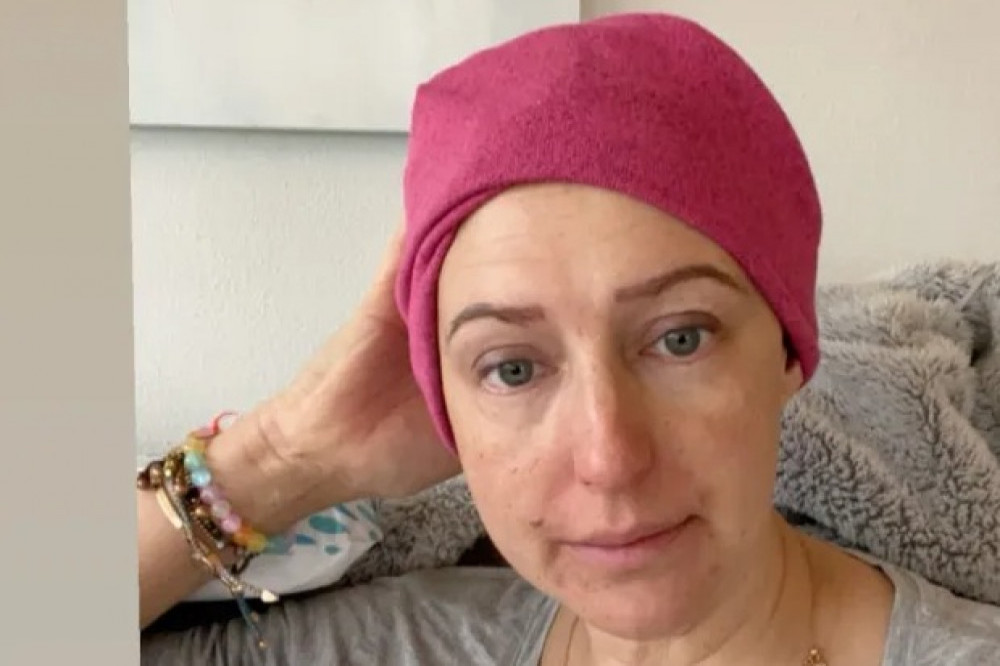
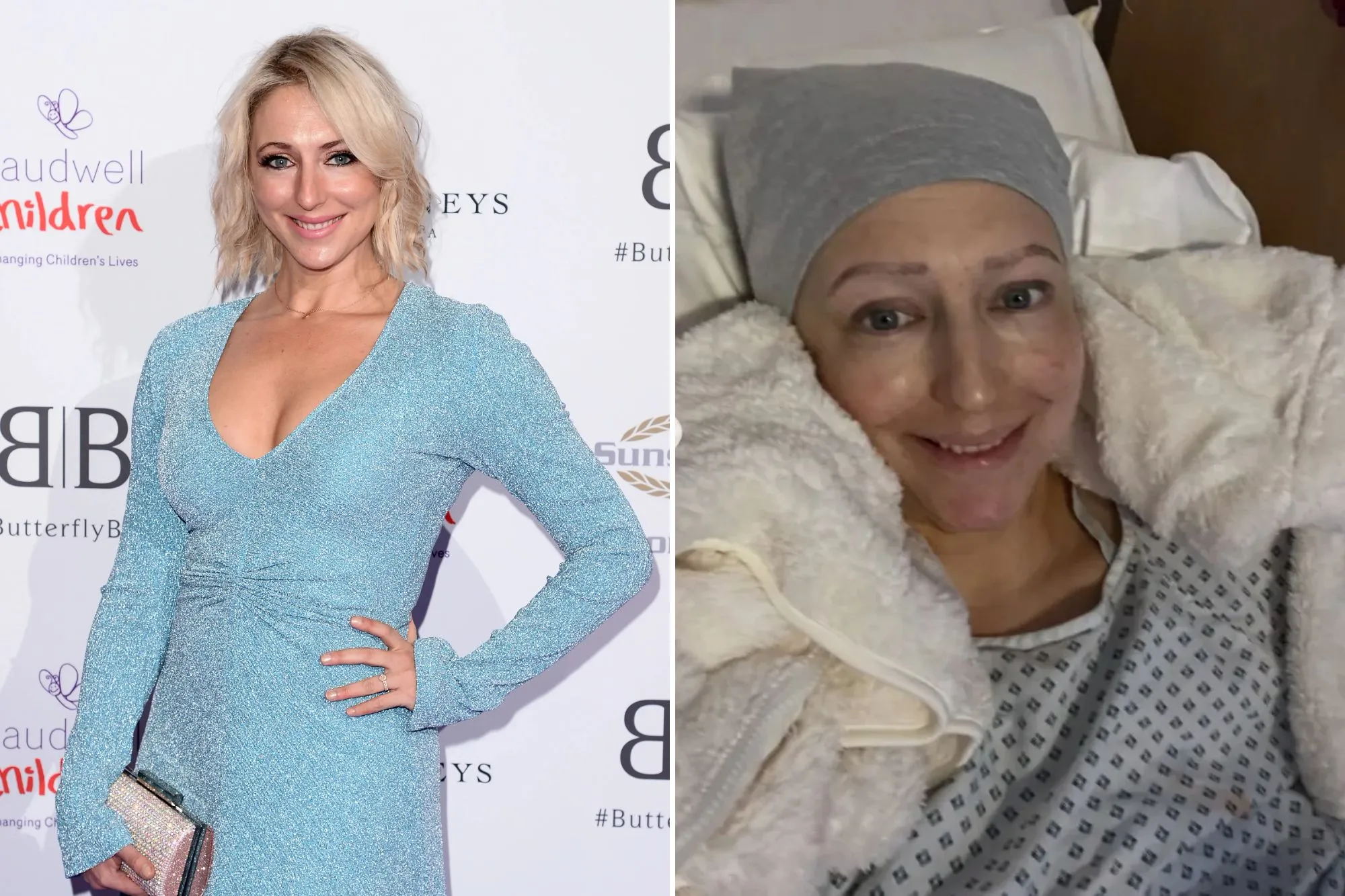
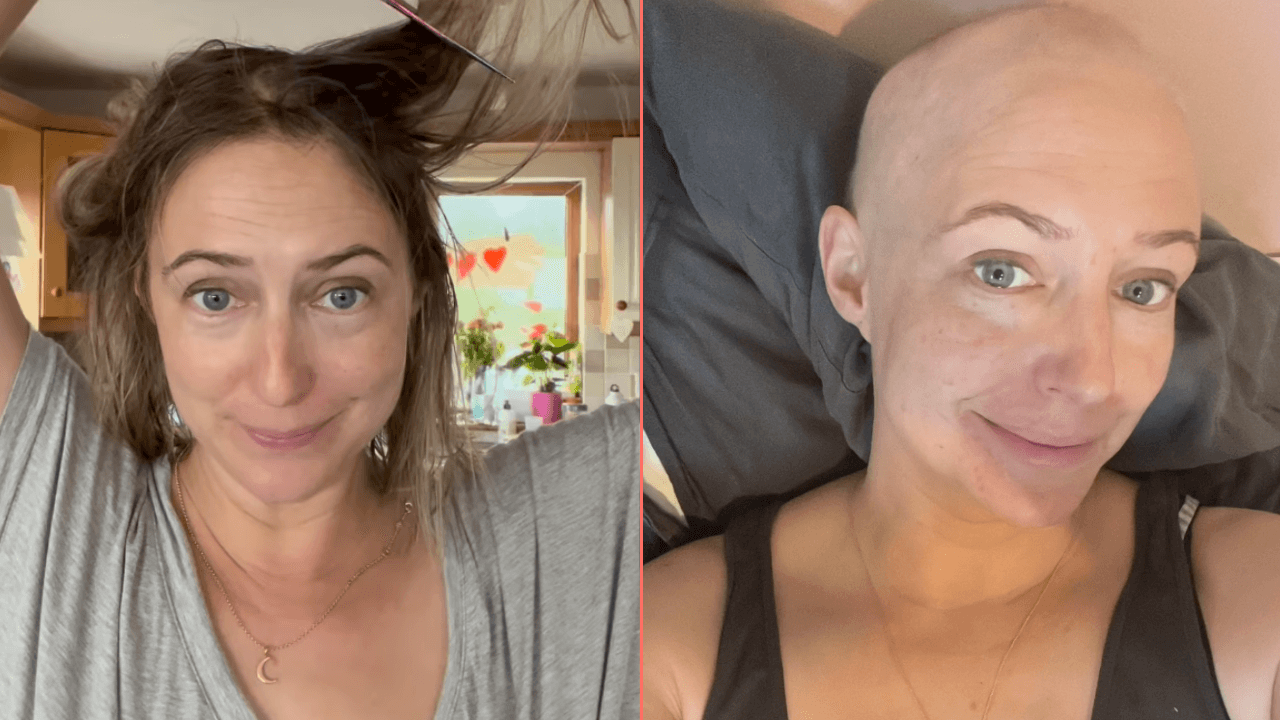
Ali Bastian, widely recognized for her role in the popular soap opera Hollyoaks, has courageously shared her experience with the demanding aftermath of breast cancer treatment. Diagnosed with stage two breast cancer in 2024, Ali initially mistook a lump for a blocked milk duct before seeking medical advice. Her journey through chemotherapy and a mastectomy was just the beginning of a challenging recovery process that continues to affect her daily life.
In a heartfelt interview, Ali described the medication she takes post-treatment as “brutal,” emphasizing how it has taken a significant toll on her physical and mental well-being. Although grateful for the advances in medicine that help prevent cancer recurrence, she expressed a conflicted relationship with the treatment due to its severe side effects. “You’re so grateful it exists, but at the same time it really takes its toll on your body, your mind, everything,” she shared.
The Emotional and Physical Impact of Cancer on Ali Bastian
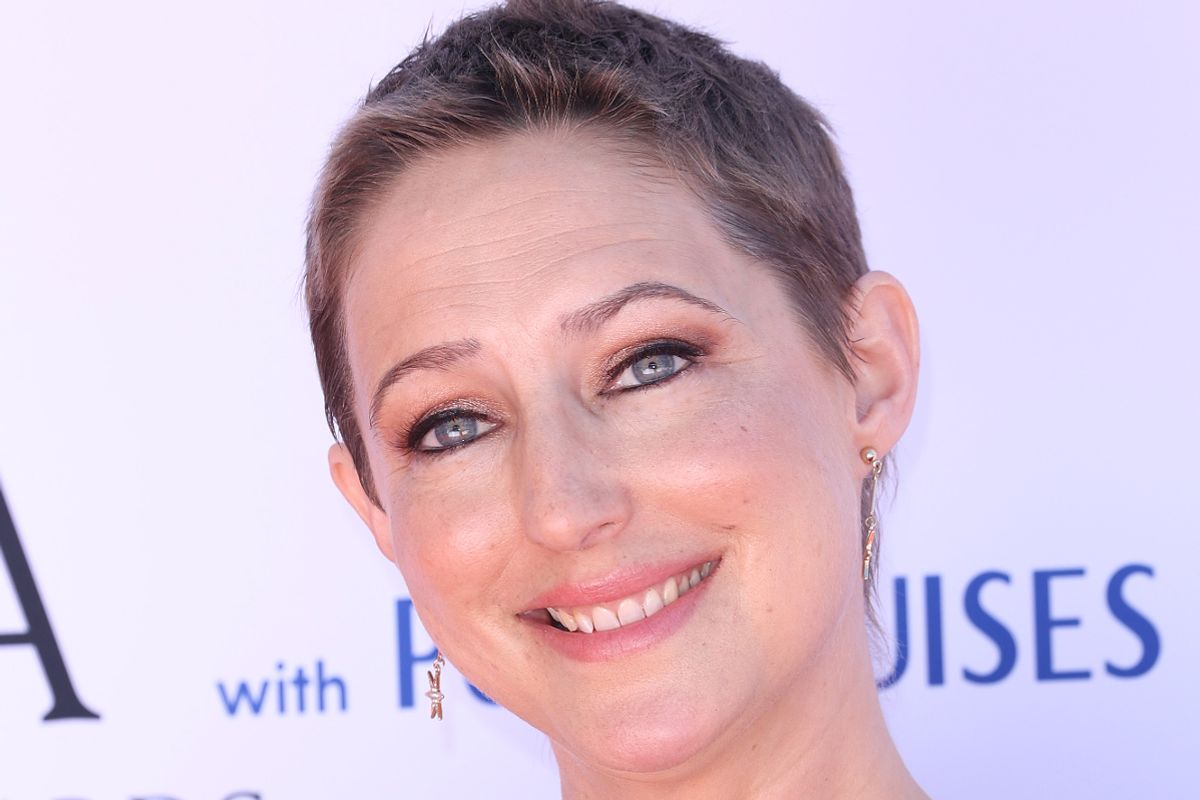
Ali’s candid reflections reveal how cancer affects more than just the body—it challenges one’s sense of identity and emotional resilience. She admitted to feeling more broken down than ever during the final stages of chemotherapy and after her mastectomy. This period led her to question who she was, feeling “completely stripped back” and vulnerable.
Her openness extends to discussing the complexities of breast reconstruction. Initially certain she would undergo reconstructive surgery, Ali has since adopted a more measured approach, choosing to explore her options carefully. Speaking on Giovanna Fletcher’s Happy Mum, Happy Baby podcast, she explained that reconstruction was postponed due to the need for radiotherapy. Now, she is considering the possibilities without feeling pressured to commit to any specific path.
Interestingly, Ali finds comfort in using a prosthetic breast, which she describes as “bright pink” and visually appealing. This choice not only helps her feel normal in clothes but also serves as a positive symbol she can share with her children. The prosthetic acts as a “little bridging thing” during her ongoing healing process, reminding her that she is “still under construction” after enduring so much.
Balancing Grief and Recovery
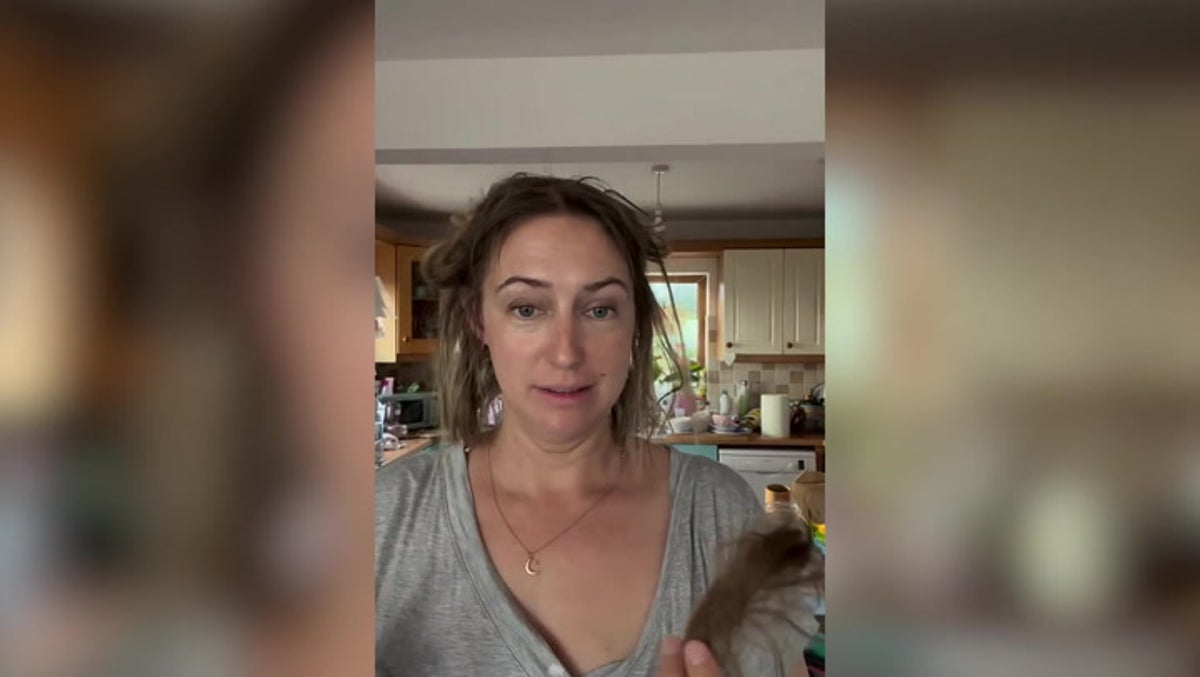
Ali’s cancer battle coincided with profound personal loss, as she mourned the death of her mother in 2023. She revealed that she initially tried to suppress her grief to focus on her treatment but found that it inevitably surfaced in waves. On social media, Ali poignantly described grief as “sometimes crashing, sometimes tidal, rarely gentle,” underscoring the emotional complexity of navigating life after cancer while coping with loss.
Her story resonates with many who face similar struggles, highlighting the importance of self-compassion and patience during recovery. Ali encourages others to “go gently” with themselves as they adjust to new realities and heal both physically and emotionally.
Ali Bastian’s Journey: From Hollyoaks to Advocacy
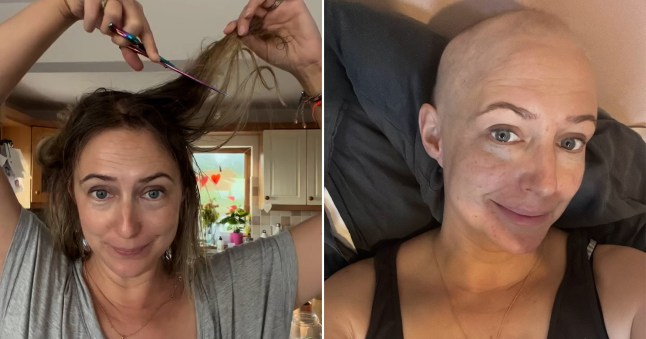
Ali Bastian’s public sharing of her cancer journey has brought attention to the challenges faced by survivors beyond the initial diagnosis and treatment. Known for her role as Becca Dean on Hollyoaks from 2001 to 2007 and her appearance on Doctors in 2019, Ali has used her platform to raise awareness about breast cancer and the long-term effects of treatment.
Her candidness helps dismantle the stigma surrounding cancer recovery, emphasizing that survival is not the end but part of an ongoing process. Ali’s experience serves as a beacon of hope and realism for those undergoing similar battles, reminding them that healing is multifaceted and deeply personal.
Support and Resources for Those Affected by Breast Cancer
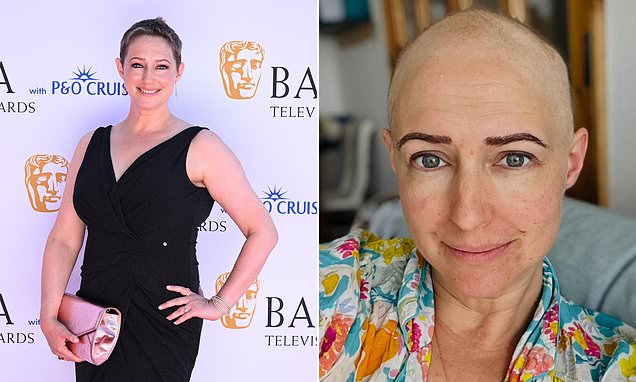
If Ali Bastian’s story has touched you or if you are currently navigating breast cancer treatment and recovery, it’s important to know that support is available. Organizations like Breast Cancer Support offer valuable advice, emotional assistance, and community connections to help individuals cope with the physical and psychological impacts of cancer.
Reaching out to support networks can make a significant difference in managing the “brutal” aspects of treatment and the emotional toll it takes. Remember, you are not alone in this journey.
Conclusion
Ali Bastian’s openness about the “brutal” treatment she endured after her breast cancer diagnosis sheds light on the often overlooked challenges survivors face. Her story is a powerful reminder of the resilience required to navigate life after cancer and the importance of compassion for oneself during recovery. If you or a loved one are affected by breast cancer, don’t hesitate to seek support and learn more about coping strategies. Stay informed and connected by following trusted sources and joining supportive communities to help you through every step of your journey.