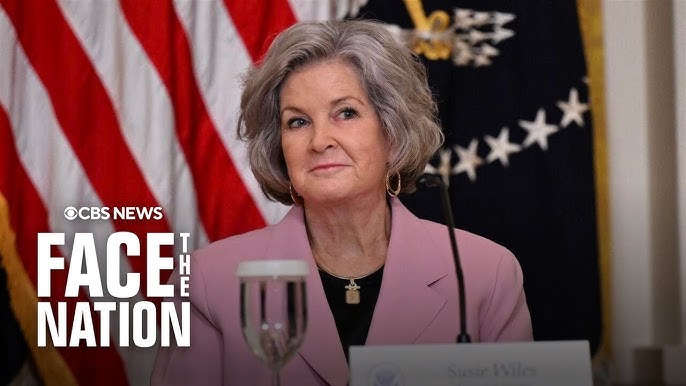
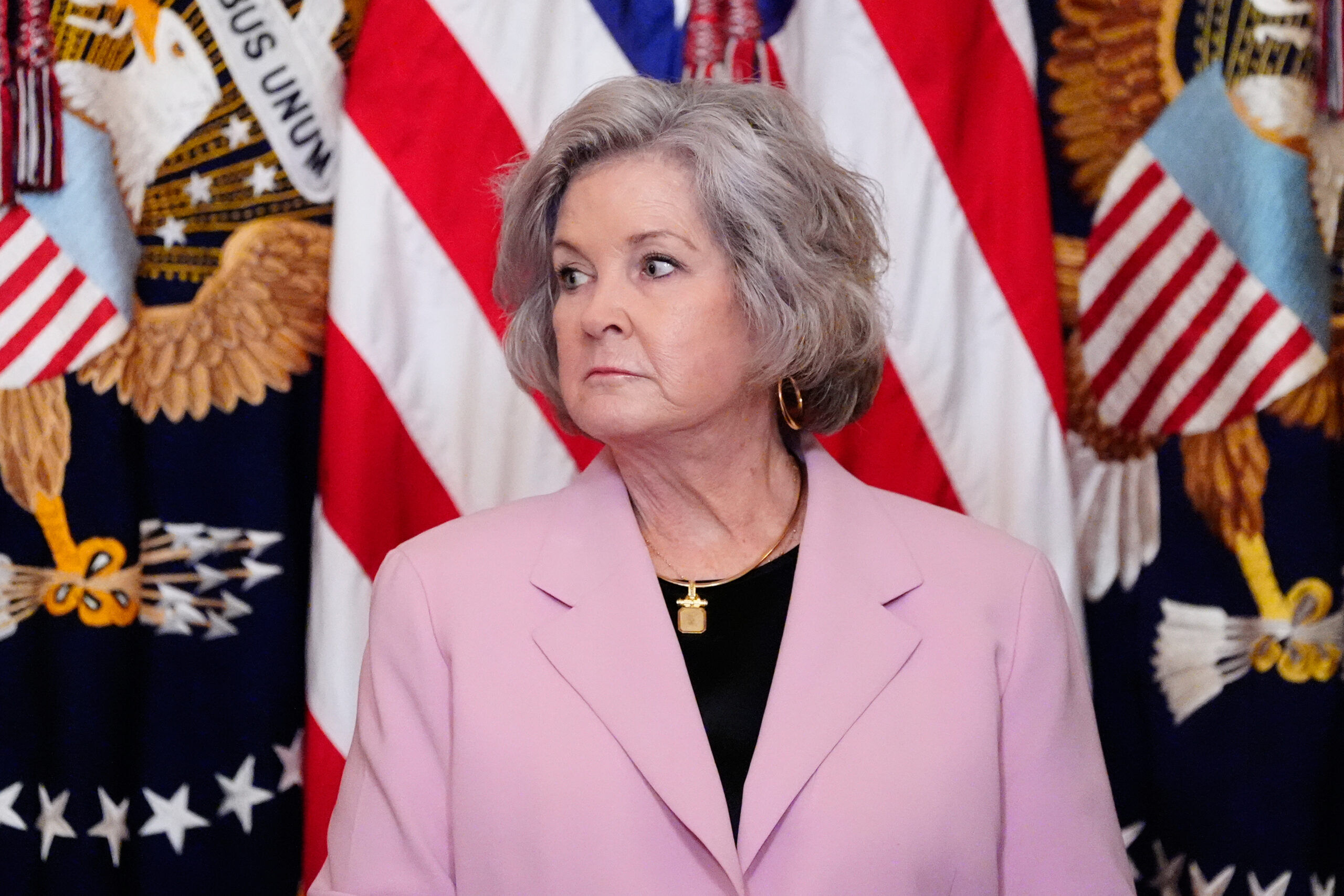
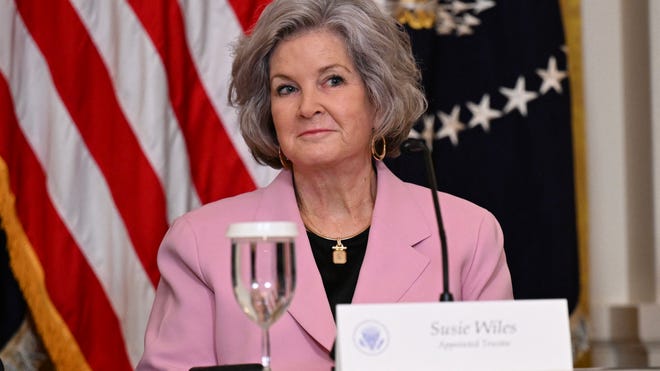
Trump’s Chief of Staff Susie Wiles and What to Know About Her Diagnosis
Understanding Susie Wiles’ Early-Stage Breast Cancer Diagnosis
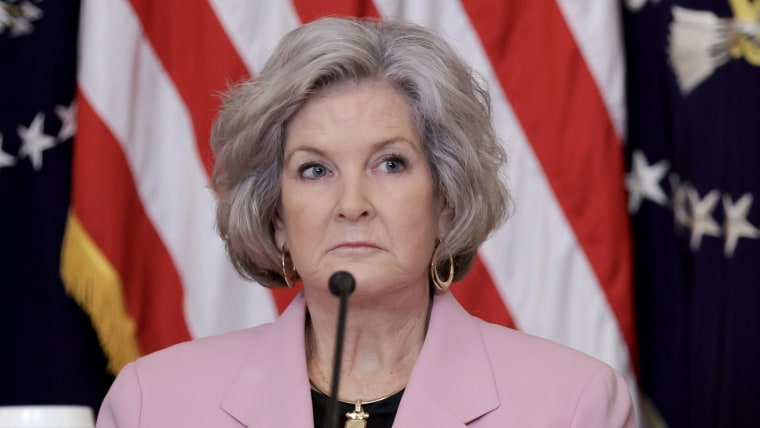
President Donald Trump recently revealed that Susie Wiles, his Chief of Staff, has been diagnosed with early-stage breast cancer. This announcement has drawn significant attention, highlighting the importance of early detection and treatment of breast cancer. According to Trump’s statement on Truth Social, Wiles has chosen to confront the diagnosis head-on without delay, supported by an excellent medical team. Despite her diagnosis, she plans to continue working almost full-time at the White House during her treatment period.
Early-stage breast cancer is a critical phase where the disease is detected before it spreads extensively, making treatment more effective. The American Cancer Society emphasizes that finding breast cancer early significantly improves the chances of successful treatment and survival. Regular screening tests remain the most reliable method to detect breast cancer at this stage.
What Is Early-Stage Breast Cancer?

While specific details about Susie Wiles’ diagnosis have not been disclosed, early-stage breast cancer commonly includes conditions such as ductal carcinoma in situ (DCIS). DCIS is often referred to as “stage-zero breast cancer” or “precancer” because it involves abnormal cells confined to the milk ducts without spreading beyond the breast tissue.
DCIS accounts for approximately 25% of all breast cancer diagnoses and affects over 50,000 women annually in the United States alone. The condition is generally non-invasive, meaning it has not yet metastasized, which contributes to a favorable prognosis when treated promptly.
Treatment Options and Prognosis for Early-Stage Breast Cancer
The standard treatment for early-stage breast cancer like DCIS typically involves a combination of surgery, radiation therapy, and hormone therapy. Surgery often consists of a lumpectomy, where the tumor and a small margin of surrounding tissue are removed. This procedure usually results in minimal scarring and preserves much of the breast’s appearance.
Radiation therapy follows surgery to eliminate any remaining cancer cells, reducing the risk of recurrence. Hormone therapy may also be recommended if the cancer cells are hormone receptor-positive, helping to block cancer growth fueled by hormones.
Recent studies suggest that some patients with early-stage breast cancer might not require the full standard treatment regimen, but treatment plans are highly individualized based on the patient’s specific diagnosis and health status.
The prognosis for early-stage breast cancer is overwhelmingly positive. The Breast Cancer Research Foundation reports a 98% survival rate at 10 years post-diagnosis for patients receiving appropriate treatment. This high success rate underscores the importance of early detection and timely medical intervention.
Why Early Detection Matters for Breast Cancer Patients Like Susie Wiles

Early detection of breast cancer dramatically increases the likelihood of successful treatment and long-term survival. Screening methods such as mammograms, clinical breast exams, and self-examinations play a vital role in identifying cancer at an early stage.
For public figures like Susie Wiles, sharing their diagnosis can raise awareness about breast cancer and encourage others to prioritize regular screenings. The American Cancer Society recommends that women begin annual mammograms at age 40, or earlier for those with higher risk factors.
By addressing her diagnosis immediately and continuing her professional responsibilities, Susie Wiles exemplifies resilience and determination. Her journey highlights the critical message that breast cancer, when caught early, can be managed effectively without compromising quality of life.
Supporting Susie Wiles and Breast Cancer Awareness

The news about Susie Wiles’ diagnosis has sparked an outpouring of support from colleagues, friends, and the public. Breast cancer remains one of the most common cancers worldwide, and stories like Wiles’ help to humanize the disease and inspire hope.
If you or someone you know is facing a breast cancer diagnosis, it’s essential to seek expert medical advice and explore all available treatment options. Advances in cancer research continue to improve outcomes and offer new hope for patients at every stage.
Conclusion
Susie Wiles’ early-stage breast cancer diagnosis serves as a powerful reminder of the importance of early detection and proactive treatment. With a strong medical team and a positive outlook, her prognosis is excellent, and she continues to fulfill her duties as Chief of Staff. If you want to stay informed about health updates and learn more about breast cancer prevention, make sure to schedule regular screenings and consult your healthcare provider. Don’t wait—take charge of your health today!